
Beautiful Plants For Your Interior
Beautiful Plants For Your Interior
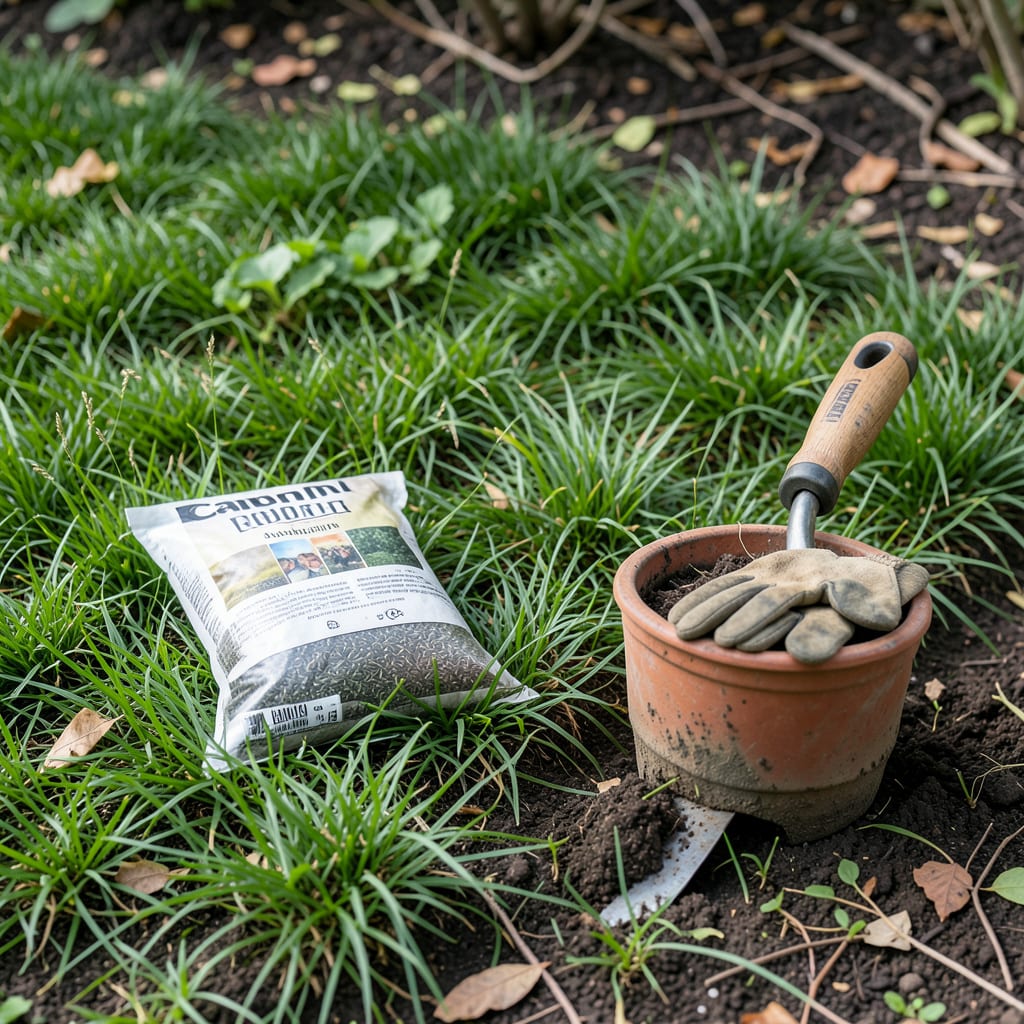
As Ohio’s seasons change, timing is everything when planting Grass 🌿. In Ohio’s 6a climate, you’ll want to catch the optimal planting windows to ensure a lush lawn.
The best times to plant grass seed are during spring or late summer to early fall. Understanding these seasonal patterns will help you achieve the best results for your lawn.
Ideal Time
Also Good
Understanding Ohio’s climate is crucial for determining the best times to plant grass seed. Ohio’s temperate climate with cold winters and hot summers means that the ideal planting times are during the spring and late summer to early fall. These periods offer the most favorable conditions for seed germination and establishment 🌿.
The spring planting season typically starts in late March and continues through early May. During this time, the soil is warming up, and there is ample moisture from spring rains. The late summer to early fall planting season usually occurs from mid-August to early September, providing a second optimal period for planting grass seed before the onset of winter.
When planting grass seed in Ohio, it’s essential to consider the soil temperature. The ideal soil temperature for grass seed germination is between 60°F and 75°F. In the spring, soil temperatures typically reach this range when the soil has warmed up enough, usually around late March or early April. In the late summer to early fall, the soil is still warm from the summer, making it an ideal time for seed germination 🌡️.
Temperature is another critical factor. Grass seed germinates best when daytime temperatures are between 60°F and 75°F and nighttime temperatures are above 50°F. Avoid planting during the hottest summer months when temperatures can soar above 85°F, as this can lead to poor germination and establishment 🔥.
Additionally, it’s crucial to avoid planting grass seed too early in the spring when the ground is still frozen or too late in the fall when the ground is about to freeze. Planting at the right time ensures that the seed has enough time to establish before facing extreme weather conditions ❄️.
By understanding Ohio’s climate and choosing the optimal planting times, you can significantly improve the chances of successful grass seed germination and establishment. This knowledge, combined with proper lawn preparation and care, will help you achieve a lush, healthy lawn 🌿.
For more specific advice tailored to your location within Ohio, consider consulting local gardening experts or resources. They can provide insights into microclimates and other regional factors that might influence the best planting times in your area 📍.
Remember, the key to a successful grass seed planting is timing. By planting at the right time and following proper care and maintenance practices, you can enjoy a vibrant, healthy lawn throughout the growing season 🌻.
Ohio’s USDA Hardiness Zone is primarily 6a, which means that the average minimum winter temperature ranges from -10°F to -5°F. This information is vital for selecting the right type of grass seed that is adapted to your local climate and soil conditions ❄️.
Always choose a grass seed mix that is suitable for your specific region and lawn conditions. Cool-season grasses, such as Kentucky bluegrass and perennial ryegrass, are popular choices for Ohio lawns due to their tolerance to the state’s climate 🌿.
I always start by looking at Ohio‘s climate calendar because timing decides whether your lawn will thrive or struggle. The state experiences cold winters and warm summers, so the planting window is narrow. Knowing the right months saves effort and money. 🌱
In my experience, soil temperature is the most critical factor for grass seed germination. Aim for a soil heat range of 60‑75°F; below 60°F the seed stays dormant, above 75°F it dries out quickly. I check this with a simple probe.
Spring offers the first ideal window. I plant from late March through early May once the ground thaws and daytime highs consistently hit 60°F. Early April is often perfect because the soil warms faster than the air, giving seedlings a head start before summer heat.
The second window arrives in late summer to early fall. I aim for mid‑August to early September when soil remains warm but daytime temps drop below 80°F, reducing stress. This period lets roots establish before the first frost in October. 🍂
Frost dates are non‑negotiable. Ohio‘s average last frost falls around April 15, so any planting before then risks seed freeze. The first frost typically arrives mid‑October; planting later leaves insufficient time for root development. I always mark these dates on my calendar.
Moisture management can make or break your effort. I water lightly every 2‑3 days until germination, then switch to 1 inch per week once seedlings emerge. Consistent soil moisture prevents crusting and encourages steady growth, especially during dry spring spells.
Before you sow, I always test soil temperature with an inexpensive probe. If the reading is between 60‑75°F, spread the seed at the recommended rate, then lightly rake to ensure good seed‑to‑soil contact. A quick tamp helps eliminate air pockets.
By following these seasonal cues—spring or late‑summer planting, proper soil heat,
When planting grass seed in Ohio, understanding the state’s climate is crucial for success. Ohio’s temperate climate means that the ideal times for planting are during spring and late summer to early fall. These periods provide the most favorable conditions for seed germination and establishment 🌿.
For successful grass seed germination in Ohio, maintain consistent soil moisture during the germination period. Water lightly every 2-3 days until seedlings emerge 🌟.
To ensure successful grass seed germination, it’s essential to maintain consistent soil moisture. Water lightly every 2-3 days until seedlings emerge. Once established, switch to providing about 1 inch of water per week, either through rainfall or irrigation 💧.
Soil preparation is another critical factor. Before planting, test your soil to determine its pH and nutrient levels. Ohio’s soils tend to be slightly acidic to neutral, with a pH range of 6.0 to 7.0. Based on your soil test results, add necessary amendments to create a conducive environment for grass seed germination 🌱.
When planting grass seed, choose a mix that is suitable for Ohio’s climate and your specific lawn conditions. Cool-season grasses, such as Kentucky bluegrass and perennial ryegrass, are popular choices for Ohio lawns due to their tolerance to the state’s climate 🌿.
After planting, keep the soil consistently moist during the first few weeks. As the seedlings grow, gradually reduce the frequency of watering but increase the amount of water applied. This encourages deep root growth and helps the grass withstand drought conditions 💦.
By following these tips and understanding Ohio’s climate, you can significantly improve the chances of successful grass seed germination and establishment. Proper care and maintenance will help you achieve a lush, healthy lawn throughout the growing season 🌻.
For more specific advice tailored to your location within Ohio, consider consulting local gardening experts or resources. They can provide insights into microclimates and other regional factors that might influence the best planting times in your area 📍.
The best times to plant grass seed in Ohio are during spring (late March to early May) and late summer to early fall (mid-August to early September). These periods offer optimal conditions for seed germination and establishment .
The ideal soil temperature for grass seed germination is between 60°F and 75°F. You can check this with a soil thermometer to ensure optimal conditions .
Water newly planted grass seed lightly every 2-3 days until seedlings emerge. Once established, switch to providing about 1 inch of water per week, either through rainfall or irrigation .
Cool-season grasses, such as Kentucky bluegrass and perennial ryegrass, are popular choices for Ohio lawns due to their tolerance to the state’s climate .
