
Beautiful Plants For Your Interior
Beautiful Plants For Your Interior
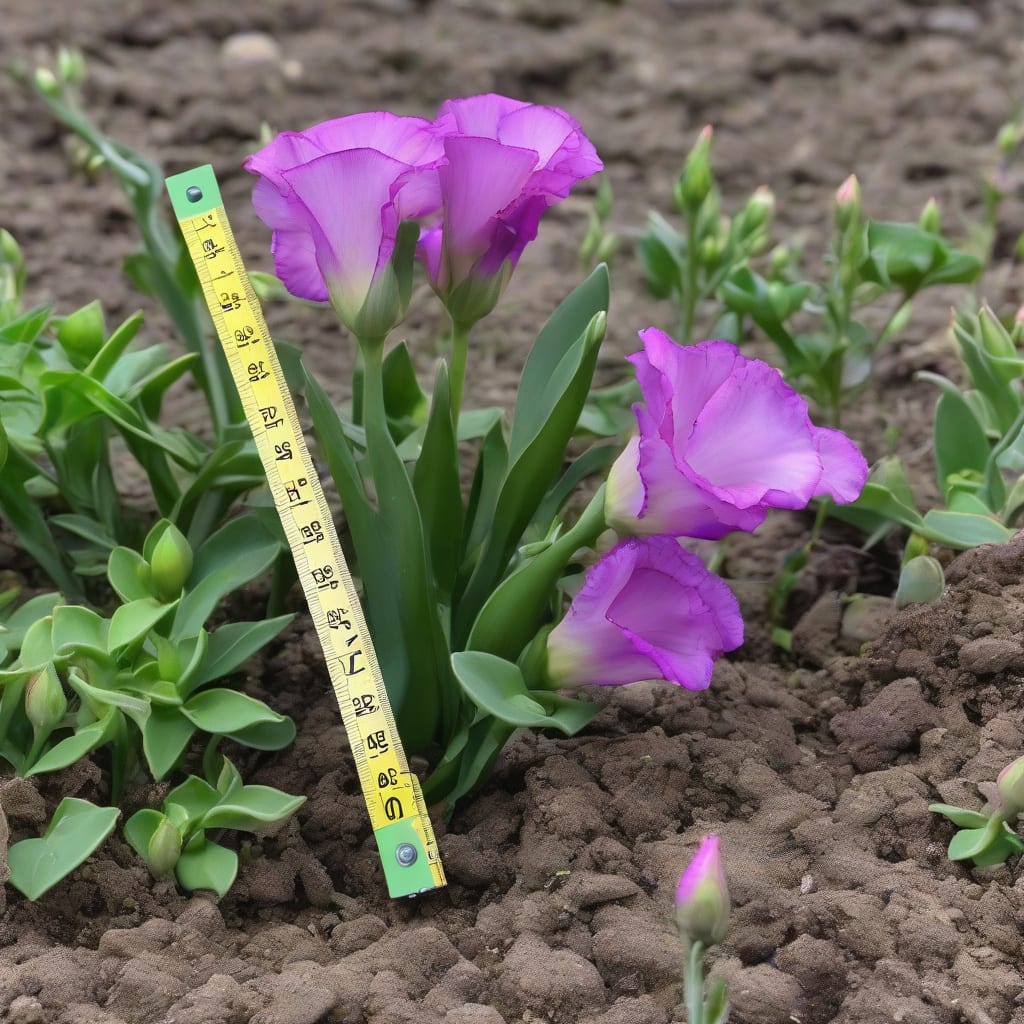
When growing Lisianthus 💐 in your garden, understanding their height potential is crucial for proper planning. These beautiful flowers can grow between 1-3 feet tall, depending on the variety and growing conditions.
In USDA Zone 6, Lisianthus typically thrive when planted in the spring or fall. With proper care, including adequate sunlight and watering, you can enjoy these gorgeous blooms at their full height.

1-2 ft

2-3 ft

2-3 ft

2-3 ft
Lisianthus plants are known for their delicate, ruffled blooms and come in a variety of colors, making them a favorite among gardeners and florists alike. Their height can vary significantly based on several factors.
The typical height range for lisianthus plants is between 1-3 feet, with some varieties growing taller than others. Understanding the factors that influence their height is crucial for gardeners who want to maximize their growth.
Lisianthus plants generally thrive in USDA Zone 6, where they are planted in either the spring (March-May) or fall (September-November). The last frost date (April 15) and first frost date (October 15) are critical for determining the optimal planting time.
To achieve the maximum height potential, gardeners should consider factors such as soil preparation, watering schedules, and fertilization. Providing lisianthus with the right growing conditions and care can result in healthy, robust plants that reach their full height potential 🌼.
The height of lisianthus plants can be influenced by the specific cultivar or variety being grown. Some lisianthus varieties are bred to be more compact, while others can grow quite tall.
In addition to variety selection, growing conditions play a crucial role in determining lisianthus height. Factors such as light exposure, temperature, and soil quality can all impact the final height of the plants.
Cultivation practices are also essential for maximizing lisianthus height. Proper watering, fertilization, and pruning techniques can all contribute to healthy growth and maximum height.
By understanding the factors that influence lisianthus height and implementing proper care techniques, gardeners can enjoy these beautiful flowers at their full potential.
Lisianthus plants are relatively low maintenance and can thrive with proper care. By following expert gardening tips and techniques, gardeners can maximize the height and overall health of their lisianthus plants.
In conclusion, lisianthus plants can grow between 1-3 feet tall, depending on the variety and growing conditions. By understanding the factors that influence their height and implementing proper care techniques, gardeners can enjoy these gorgeous blooms at their full height 🌼.
To maximize the height of your lisianthus plants, it’s essential to provide them with the right growing conditions and care. This includes proper soil preparation, adequate watering, and balanced fertilization. By following these expert gardening tips, you can promote healthy growth and maximize the height of your lisianthus plants 🌼.
Prepare the soil with organic matter like compost to improve drainage and fertility. Lisianthus prefers well-draining soil with a slightly acidic to neutral pH (around 6.0-7.0).
Water your lisianthus plants regularly, but avoid overwatering. Ensure the soil is consistently moist but not waterlogged. Mulching around the plants can help retain moisture and reduce the need for frequent watering 🌱.
Feed your lisianthus plants with a balanced fertilizer (10-10-10 NPK) every 4-6 weeks during the growing season. This will provide them with the necessary nutrients to promote healthy growth and maximize height 🌻.
In addition to these tips, pruning is another crucial technique for maximizing lisianthus height. Remove any weak or spindly growth to encourage the plant to focus its energy on producing strong, healthy stems.
By implementing these expert gardening tips and techniques, you can enjoy lisianthus plants that reach their full height potential and add beauty to your garden 🌼.
Lisianthus plants are relatively low maintenance and can thrive with proper care. By following these tips, you can maximize the height and overall health of your lisianthus plants.
In conclusion, maximizing lisianthus height requires a combination of proper soil preparation, adequate watering, balanced fertilization, and pruning. By following these expert gardening tips and techniques, you can promote healthy growth and enjoy lisianthus plants that reach their full height potential 🌻.
Lisianthus plants can be susceptible to various challenges that affect their height and overall health. Understanding these issues and how to address them is crucial for gardeners who want to maximize their lisianthus growth 🌼.
One of the most common challenges affecting lisianthus height is poor soil quality. Lisianthus prefers well-draining soil with a slightly acidic to neutral pH (around 6.0-7.0). Poor soil quality can lead to stunted growth and reduced flowering.
Lisianthus plants can be vulnerable to pests like aphids and diseases like root rot. Regular monitoring and proper care can help prevent these issues.
Pests like aphids, whiteflies, and spider mites can also impact lisianthus height. These pests can cause damage to the leaves and stems, leading to stunted growth. Regular monitoring and proper pest management can help prevent these issues 🐜.
Diseases like root rot, powdery mildew, and botrytis can also affect lisianthus height. These diseases can cause root damage, leaf spotting, and stem rot, leading to reduced growth and flowering. Proper sanitation, watering, and air circulation can help prevent these diseases 🌿.
To overcome these challenges, gardeners can implement various strategies, including improving soil quality, managing pests, and preventing diseases. By understanding the common challenges affecting lisianthus height and taking proactive steps to address them, gardeners can promote healthy growth and maximize their lisianthus height 🌼.
In conclusion, lisianthus plants can be susceptible to various challenges that affect their height and overall health. By understanding these issues and implementing proper care techniques, gardeners can overcome these challenges and enjoy healthy, robust lisianthus plants 💐.
