
Beautiful Plants For Your Interior
Beautiful Plants For Your Interior
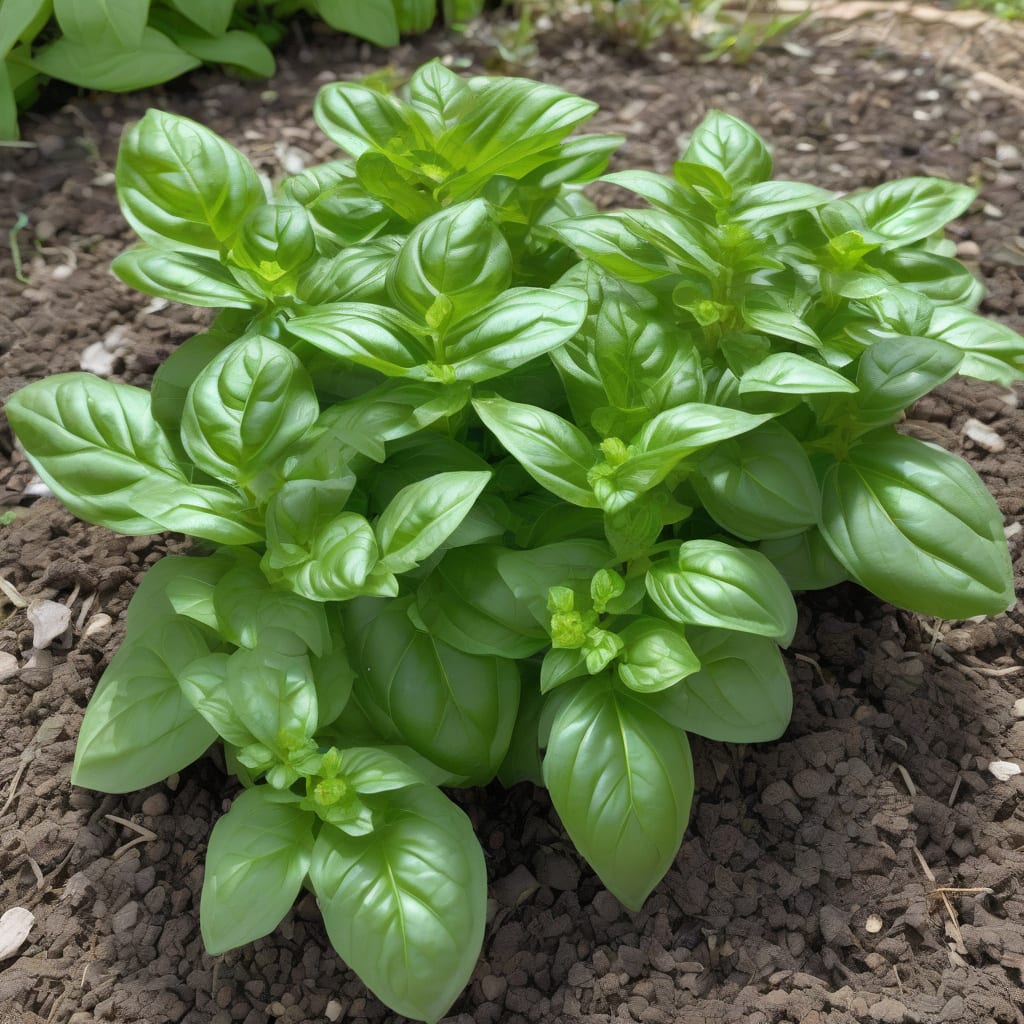
As I step into my garden, I’m always excited to see how tall my Basil 🌿 has grown. The height of this popular herb can vary greatly depending on growing conditions.
In USDA Zone 6, Basil typically reaches 1-2 feet tall when properly cared for. Factors like soil quality, sunlight, and watering practices all play a role in determining its final height.


When growing basil, understanding the factors that influence its height is crucial for achieving the best results. The height of basil plants can vary significantly based on several key elements.
The primary factors affecting basil height include soil quality, light exposure, and the specific basil variety being grown. Each of these elements plays a significant role in determining how tall your basil will grow 🌿.
Basil generally thrives in USDA Zone 6, where it can grow between 1-2 feet tall. The specific growing conditions, such as soil temperature and moisture levels, also impact the plant’s overall health and height.
To maximize basil height, it’s essential to plant after the last frost when the soil has warmed up to at least 60°F. Consistent moisture and fertilization during the growing season also contribute to healthier, taller plants.
The fertilization schedule for basil is typically every 4-6 weeks during the growing season. Using a balanced fertilizer (10-10-10 NPK) at the recommended rate of 1 tablespoon per plant helps maintain optimal nutrient levels.
Proper watering practices are also vital. Basil requires consistent moisture, with watering needed every 3-4 days during peak growing months. Watering in the morning allows the plants to dry out slightly before nightfall, reducing the risk of disease 🔥.
By understanding and optimizing these factors, gardeners can create ideal conditions for their basil to reach its maximum height potential.
The ideal growing conditions for basil include full sun, well-draining soil, and regular watering. By providing these conditions, you can help your basil plants grow tall and healthy 🌿.
Different basil varieties have different growth habits. Some varieties are naturally more compact, while others can grow quite tall. Understanding the specific needs and characteristics of your basil variety is key to achieving the best results.
In summary, achieving maximum basil height requires attention to soil quality, light exposure, and the specific needs of your basil variety. By optimizing these factors, you can enjoy a bountiful harvest of healthy, tall basil plants 🌿.
To achieve maximum basil height, it’s essential to understand the key factors that influence its growth. Proper care and attention to detail can make a significant difference in the height and overall health of your basil plants 🌿.
One of the most critical aspects of growing tall basil is providing the right conditions. This includes ensuring your plants receive adequate sunlight, proper watering, and regular fertilization. By optimizing these factors, you can help your basil reach its full potential 🔥.
Basil requires full sun to grow tall and healthy. Ensure your plants receive at least 6 hours of direct sunlight per day.
Basil needs
consistent moisture to grow well. Water your plants every 3-4 days, making sure the soil is moist but not waterlogged.Feed your basil plants with a balanced fertilizer (10-10-10 NPK) every 4-6 weeks during the growing season.
By following these expert tips, you can help your basil plants grow tall and healthy, maximizing their height and overall productivity 🌱.
In addition to these tips, it’s essential to monitor your plants regularly for signs of stress or disease. Early detection and action can prevent issues from becoming severe and affecting your basil’s growth.
Regular pruning is also crucial for maintaining healthy basil plants. Pinch off flower buds to encourage leaf growth, and trim back leggy stems to promote bushy growth 🌿.
By combining these strategies, you can create an optimal growing environment for your basil, helping it reach its maximum height potential and providing a bountiful harvest 🔥.
When growing basil, it’s essential to be aware of common mistakes that can limit its growth. By understanding these pitfalls, you can take steps to avoid them and ensure your basil plants thrive 🌿.
One of the most significant mistakes gardeners make is inadequate sunlight. Basil requires full sun to grow well, so ensure your plants receive at least 6 hours of direct sunlight per day 🔥.
Common errors like overwatering, poor soil quality, and inadequate pruning can significantly limit basil growth. Be mindful of these factors to ensure healthy plants 🌿.
Overwatering is another common mistake that can lead to root rot and other issues.
Poor soil quality can also impact basil growth. Use well-draining soil with adequate nutrients to promote healthy growth and maximize height 🌿.
Inadequate pruning can cause basil plants to become leggy and reduce their overall productivity. Regularly pinch off flower buds to encourage leaf growth, and trim back leggy stems to promote bushy growth 🔥.
By avoiding these common mistakes and following best practices, you can help your basil plants grow tall and healthy, ensuring a bountiful harvest 🌱.
In summary, being aware of potential pitfalls and taking steps to avoid them is crucial for achieving maximum basil growth. By providing optimal growing conditions and proper care, you can enjoy healthy, productive basil plants 🌿.
