
Beautiful Plants For Your Interior
Beautiful Plants For Your Interior
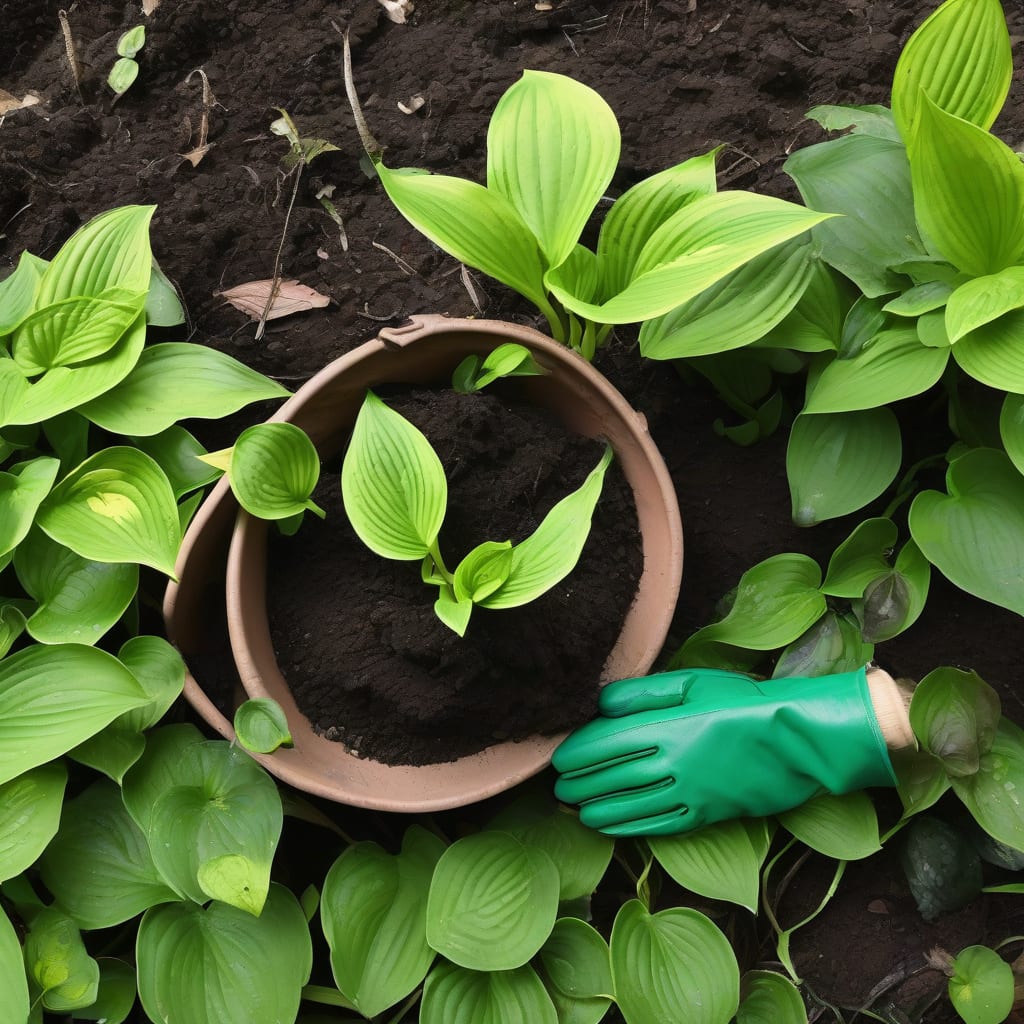
Planting Hosta 🌿 in Texas requires careful timing to ensure these beautiful perennials thrive. In USDA Zone 8a, you’ll want to plant during the cooler months.
The ideal times are spring or fall, when temperatures are mild. This allows your Hosta to establish itself before the hot Texas summer. Let’s explore the best practices for planting Hosta in Texas.
When it comes to planting hostas in Texas, timing is everything. The Lonestar State’s climate can be challenging for these shade-loving perennials. To ensure success, you need to plant at the right time.
The ideal planting window for hostas in Texas is during the cooler months. This allows the plants to establish themselves before the hot summer weather sets in. Let’s explore the best times to plant hostas in Texas 🌿.
Before planting hostas in Texas, it’s essential to prepare your garden properly. The right preparation ensures your hostas get off to a strong start and thrive in the Texas climate. Let’s explore the key steps to prepare your garden for hosta planting 🌿.
Hostas prefer well-draining soil and partial shade. Ensure your planting location meets these criteria for optimal growth.
The first step in preparing your garden is to choose the right location for your hostas. Hostas thrive in partial shade, so select a spot that receives 4-6 hours of indirect sunlight per day. Avoid areas with full sun, as this can cause the leaves to become scorched 🌻.
Soil preparation is another crucial aspect of getting your garden ready for hostas. Hostas prefer well-draining soil rich in organic matter. To achieve this, mix in compost or well-rotted manure to improve soil structure and fertility 🌿.
Before planting, remove any weeds from the area. Weeds compete with hostas for water, nutrients, and light. Use a garden fork to loosen the soil and remove weeds by their roots, taking care not to damage the soil structure 🌱.
Proper drainage is essential for hostas, as they don’t tolerate standing water. If your garden has heavy clay soil or tends to waterlog, consider raising the planting area or adding organic matter to improve drainage 💧.
By following these steps, you’ll create an ideal environment for your hostas to thrive in Texas. Remember, proper preparation is key to successful hosta cultivation in the Lone Star State 🌟.
With your garden prepared, you can confidently plant your hostas during the optimal planting windows we’ve discussed. This combination of proper timing and garden preparation sets your hostas up for long-term success 🌱.
After successfully planting hostas in Texas, proper care is essential to ensure these beautiful perennials thrive in the Lonestar State’s climate. Let’s explore the key aspects of caring for hostas after planting 🌿.
By following these care tips, you’ll ensure your hostas remain healthy and vibrant throughout the growing season in Texas. Remember, consistent care is key to enjoying these beautiful perennials year after year 🌟.
Regular maintenance will keep your hostas looking their best. With proper care, these shade-loving plants will continue to enhance your Texas garden for years to come 🌱.
The best times to plant hostas in Texas are during spring (late March to early May) and fall (September or October). These periods offer mild temperatures that help hostas establish themselves before extreme weather sets in. Planting during these times ensures optimal growth and survival.
No, hostas prefer partial shade with 4-6 hours of indirect sunlight per day. Full sun can cause leaf scorch and stress the plants. In Texas, it’s best to plant hostas in areas that receive morning sun and afternoon shade to protect them from intense heat.
Hostas need consistent moisture, especially during their first growing season. Water them deeply once or twice a week, depending on weather conditions. During hot summer months, you may need to water more frequently to keep the soil moist but not waterlogged.
Yes, fertilizing hostas promotes healthy growth. Use a balanced, slow-release fertilizer in early spring when new growth appears. This helps develop robust foliage and strong root systems. Follow the fertilizer’s instructions for application rates to avoid over-fertilizing.
