
Beautiful Plants For Your Interior
Beautiful Plants For Your Interior
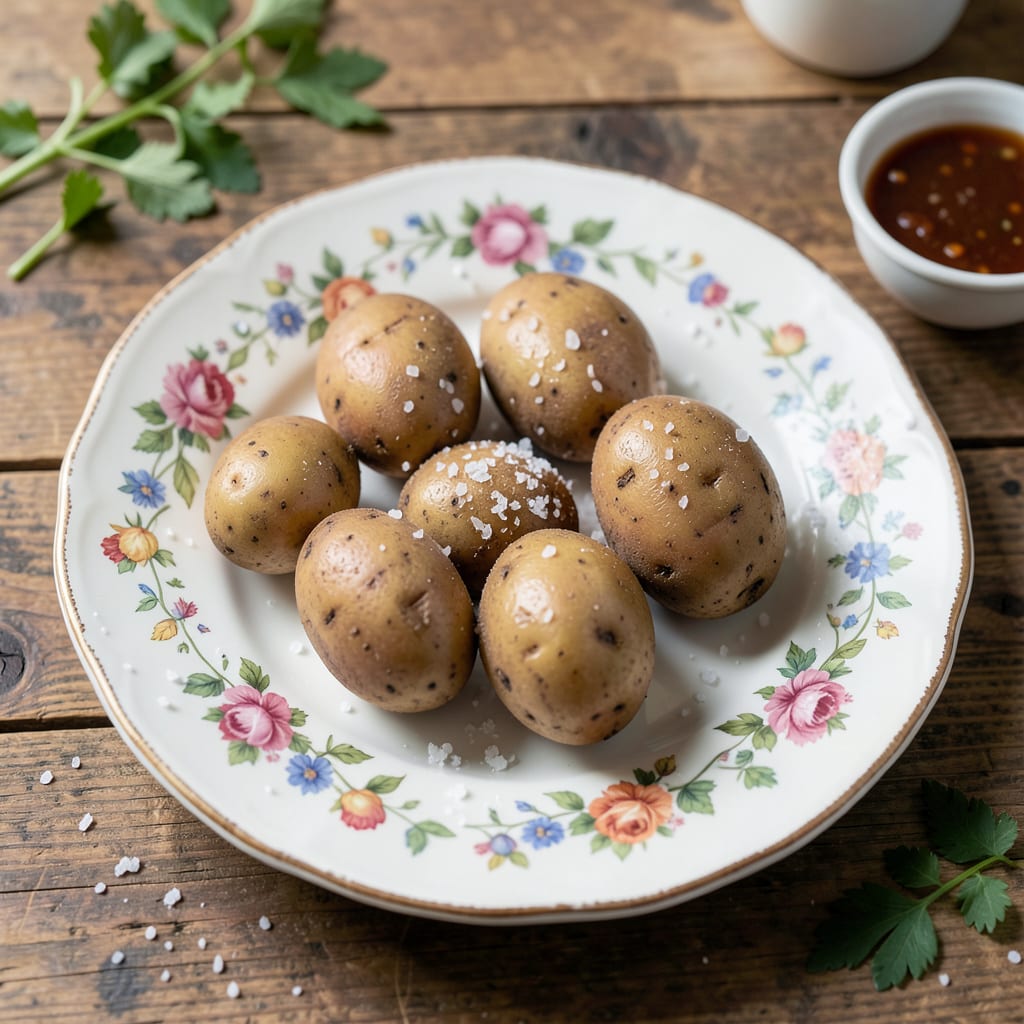
Growing potatoes 🥔 in Virginia can be a rewarding experience with the right timing. Planting at the correct time is crucial for a successful harvest.
In Virginia’s climate zones 6b-7b, the ideal time to plant potatoes is in late winter to early spring, about 4-6 weeks before the last frost date. This allows the tubers to mature before the heat of summer sets in.
Ideal Time
Also Good
In Virginia, the ideal time to plant potatoes is in late winter to early spring, typically 4-6 weeks before the last frost date. This allows the tubers to mature before the heat of summer. The exact timing varies by region, with coastal areas planting later than mountainous regions 🌿.
For most of Virginia, which falls within USDA zones 6b-7b, the optimal planting window is usually in February or March. Gardeners should check their specific last frost date to determine the best planting time for their area.
Understanding these key factors helps Virginia gardeners plan their potato crop effectively, ensuring a successful harvest during the late spring to early summer months.
Different regions within Virginia may have slightly different optimal planting times due to variations in climate and soil temperature. Generally, the cooler mountainous regions can plant slightly earlier than the warmer coastal plains.
For a successful potato harvest, gardeners should also consider factors such as soil preparation and variety selection. Choosing certified disease-free seed potatoes and preparing the soil with adequate organic matter can significantly improve crop yields.
The soil temperature should be around 40-50°F (4-10°C) for optimal potato planting. This temperature range typically occurs in late winter to early spring in Virginia, coinciding with the recommended planting period.
Potatoes require consistent moisture, especially during tuber formation. Gardeners should plan for regular watering, aiming for about 1-2 inches of water per week, either from rainfall or irrigation.
In terms of sunlight, potatoes prefer full sun to partial shade, requiring at least 6 hours of direct sunlight per day. This makes south-facing areas ideal for potato cultivation in Virginia gardens.
To maximize yields, gardeners should also pay attention to fertilization. A balanced fertilizer applied at planting time can provide necessary nutrients for healthy plant growth and tuber development.
By following these guidelines and understanding the specific needs of potatoes in Virginia’s climate, gardeners can enjoy a bountiful harvest of delicious homegrown potatoes each year 🌼.
Successful potato cultivation in Virginia requires careful planning and attention to the unique growing conditions in the region. By planting at the right time and providing proper care, gardeners can achieve excellent results.
Regular monitoring of the crop for signs of disease or pests is also crucial for maintaining a healthy potato patch. Early detection allows for timely intervention, protecting the crop and ensuring a successful harvest.
Several key factors influence the success of potato planting in Virginia. Understanding these elements helps gardeners make informed decisions about their crop 🌿.
Weather patterns play a significant role in potato cultivation. Virginia’s climate varies across regions, with cooler mountainous areas experiencing different conditions than the warmer coastal plains. Gardeners must consider these variations when planning their planting schedule.
Potatoes thrive in cool soil, typically between 40-50°F (4-10°C). Virginia’s late winter to early spring soil temperatures are ideal for potato planting.
Soil conditions are another critical factor. Potatoes require well-draining, loose soil to grow properly. Gardeners should test their soil type and amend it if necessary to ensure optimal drainage and aeration.
Regional variations within Virginia also impact potato planting. The mountainous regions tend to have a shorter growing season compared to the coastal areas. Gardeners should adjust their planting schedule accordingly to maximize their harvest.
Frost dates are crucial for determining the planting time. In Virginia, the average last frost date is around April 15. Gardeners should plant potatoes 4-6 weeks before this date to give them a head start on the growing season.
By considering these factors, Virginia gardeners can optimize their potato planting strategy and enjoy a successful harvest 🌼.
Successful potato cultivation also depends on proper soil preparation. Gardeners should add organic matter to improve soil structure and fertility, creating an ideal environment for potato growth.
Moisture levels are vital throughout the growing season. Potatoes need consistent moisture, especially during tuber formation. Gardeners should plan for regular watering, aiming for about 1-2 inches of water per week.
By understanding and addressing these factors, gardeners in Virginia can significantly improve their chances of a bountiful potato harvest 🥔.
To achieve a successful potato harvest in Virginia, gardeners should focus on several key factors. First, soil preparation is crucial for optimal potato growth. The soil should be well-draining and loose, with adequate organic matter to support healthy tuber development 🌱.
Select certified disease-free seed potatoes that are suitable for Virginia’s climate. Popular varieties include ‘Yukon Gold’ and ‘Red Pontiac’.
Add compost or well-rotted manure to improve soil fertility and structure. Ensure the soil is loose and free of rocks.
Plant seed potatoes 2-4 inches deep, with the ‘eyes’ facing upwards. Space them 12 inches apart in rows that are 3 feet apart.
By following these expert tips, Virginia gardeners can significantly improve their chances of a successful potato harvest. Regular monitoring for signs of disease or pests is also crucial for maintaining a healthy potato patch 🌼.
Proper water management is another critical aspect of potato cultivation. Potatoes need consistent moisture, especially during tuber formation. Gardeners should aim for about 1-2 inches of water per week, either from rainfall or irrigation.
Fertilization also plays a key role in successful potato cultivation. A balanced fertilizer applied at planting time can provide necessary nutrients for healthy plant growth and tuber development.
By implementing these strategies, gardeners in Virginia can enjoy a bountiful harvest of delicious homegrown potatoes each year 🥔.
The ideal time to plant potatoes in Virginia is in late winter to early spring, typically 4-6 weeks before the last frost date. For most of Virginia, this falls in February or March.
Potatoes are ready to harvest 70-120 days after planting. Check for readiness when the leaves turn yellow and the stems die back. This usually occurs in late spring to early summer in Virginia.
Yes, you can plant potatoes in Virginia’s coastal regions. However, the planting time may be slightly later than in mountainous regions due to differences in climate and soil temperature. Check your specific last frost date to determine the best planting time.
Potatoes prefer well-draining, loose soil with adequate organic matter. Test your soil type and amend it if necessary to ensure optimal drainage and aeration. This will help improve crop yields and prevent diseases.
