
Beautiful Plants For Your Interior
Beautiful Plants For Your Interior
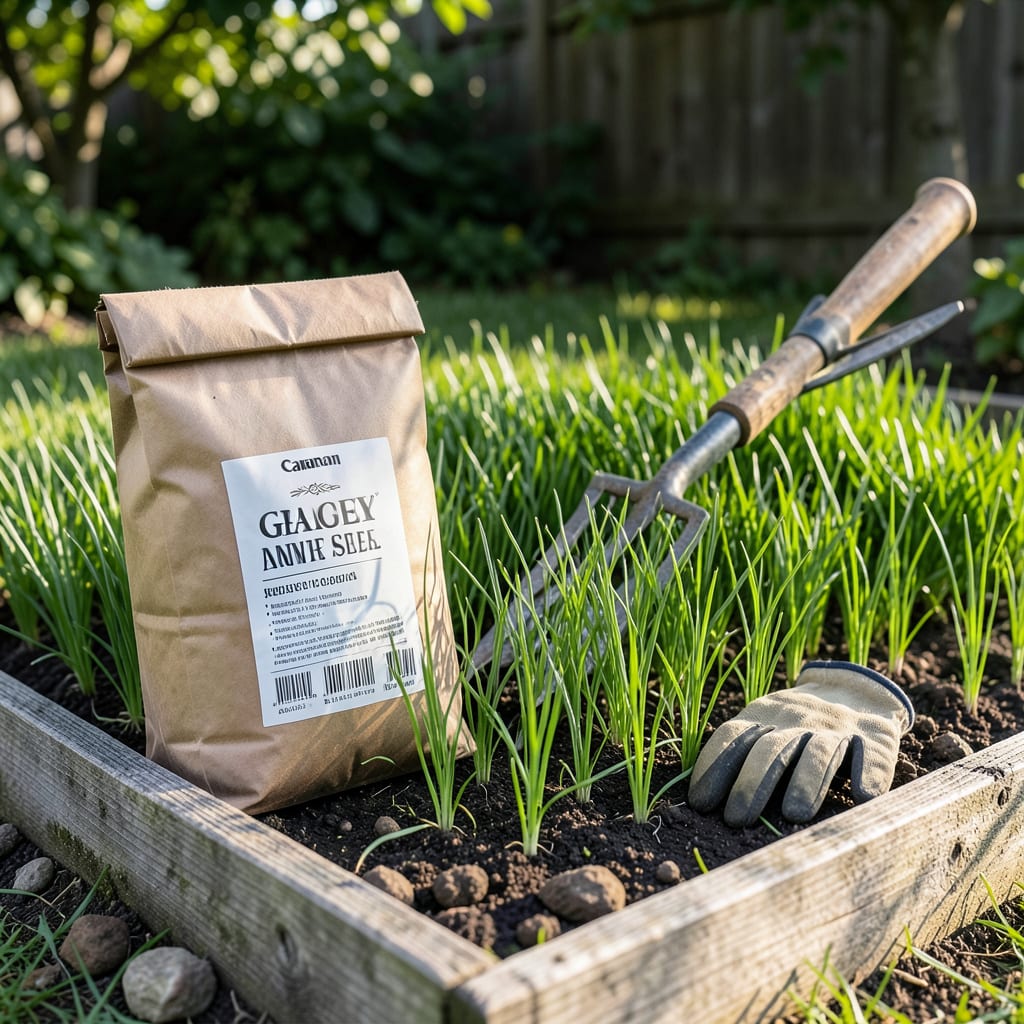
Spring is the perfect time to rejuvenate your Virginia lawn 🌿, but timing is everything when it comes to planting grass seed successfully. In Virginia’s climate zones 7a and 7b, the ideal spring planting window is crucial for establishing a healthy lawn.
I recommend planting grass seed when soil temperatures reach 55-65°F, typically in late winter to early spring. Understanding Virginia’s frost dates and weather patterns will help you determine the best time to plant grass seed in your area.
Ideal Time
Also Good
Understanding the best time to plant grass seed in Virginia during spring is crucial for a healthy lawn. Virginia’s climate varies across different regions, making it essential to consider local conditions.
The ideal time to plant grass seed in spring is when soil temperatures reach 55-65°F, typically occurring in late winter to early spring. This temperature range supports optimal germination and growth 🌱.
Virginia’s climate zones range from 7a to 7b, with the last frost dates varying across regions. Checking local frost dates is essential to determine the optimal planting time.
In the Tidewater Region, the last frost date is typically around mid-April, making late February to early March the best time to plant grass seed. In the Piedmont Region, early to mid-March is usually ideal due to slightly later last frost dates.
The Mountain Region experiences the latest last frost dates, typically in late April or early May, making mid to late March the optimal planting window.
Monitoring soil temperature is more reliable than calendar dates for determining planting time. Using a soil thermometer helps ensure optimal conditions.
Weather patterns also play a significant role in successful grass seeding. Avoid planting during extreme weather conditions like heavy rain or intense heat.
For optimal results, choose a grass type suitable for Virginia’s climate. Cool-season grasses like tall fescue are popular choices for Virginia lawns.
Preparing the soil properly before planting is critical. This includes removing debris, aerating the soil, and applying starter fertilizer to support new growth.
Post-planting care is equally important. Maintaining consistent moisture levels, mowing at the correct height, and fertilizing at the appropriate time will help establish a healthy lawn.
By understanding the optimal spring planting times and following proper lawn care practices, you can achieve a lush, green lawn in Virginia 🌟.
Proper preparation is key to successful grass seeding in Virginia’s spring season. I start by assessing my lawn’s condition and identifying areas that need improvement 🌿.
The first step is to remove debris and aerate the soil. This helps improve soil drainage, reduces soil compaction, and promotes healthy root growth.
Check your soil type and pH level to determine if any amendments are needed.
Select a grass species suitable for Virginia’s climate and your lawn’s specific conditions.
Remove debris, aerate the soil, and apply starter fertilizer to support new growth.
By following these steps, you can create an ideal environment for your grass seed to germinate and thrive 🌟.
Soil preparation is critical for successful grass seeding. I recommend testing your soil to determine its type and pH level.
Choosing the right grass type is also essential. Cool-season grasses like tall fescue are popular choices for Virginia lawns.
After preparing the soil and selecting the right grass type, it’s time to plant the seed.
By taking the time to properly prepare your lawn, you’ll be rewarded with a lush, green lawn that’s the envy of the neighborhood 🌿.
After planting grass seed in Virginia during the spring, proper care is crucial for successful germination and establishment. I recommend maintaining consistent moisture levels to support new growth 🌿.
Water newly seeded areas lightly but frequently to maintain consistent soil moisture. Avoid overwatering, which can lead to shallow root growth and increased disease susceptibility.
The watering schedule is critical during the first few weeks after planting. I recommend watering daily or every other day, depending on weather conditions.
Mowing height is another important factor. Keep your mower blade at a height of 3-4 inches to promote healthy growth and prevent weed invasion.
Fertilization timing is also essential for newly seeded lawns. Apply a starter fertilizer at planting time, followed by a balanced fertilizer after the new grass has reached a height of 3-4 inches.
By following these post-planting care tips, you can help ensure a successful transition to a lush, green lawn in Virginia 🌟.
Regular maintenance, including mowing, watering, and fertilizing, will help establish a strong root system and promote healthy growth.
Monitoring your lawn’s progress and adjusting your care routine as needed will help you achieve the best results.
The ideal time to plant grass seed in Virginia during spring is when soil temperatures reach 55-65°F, typically occurring in late winter to early spring. This temperature range supports optimal germination and growth.
To prepare your lawn, start by removing debris and aerating the soil to improve drainage and reduce compaction. Then, test your soil to determine its type and pH level, and choose a suitable grass species for your region.
Water newly seeded areas lightly but frequently to maintain consistent soil moisture. During the first few weeks, water daily or every other day, depending on weather conditions. Avoid overwatering to prevent shallow root growth.
Keep your mower blade at a height of 3-4 inches to promote healthy growth and prevent weed invasion. Maintain a regular mowing schedule to help establish a strong root system.
