
Beautiful Plants For Your Interior
Beautiful Plants For Your Interior
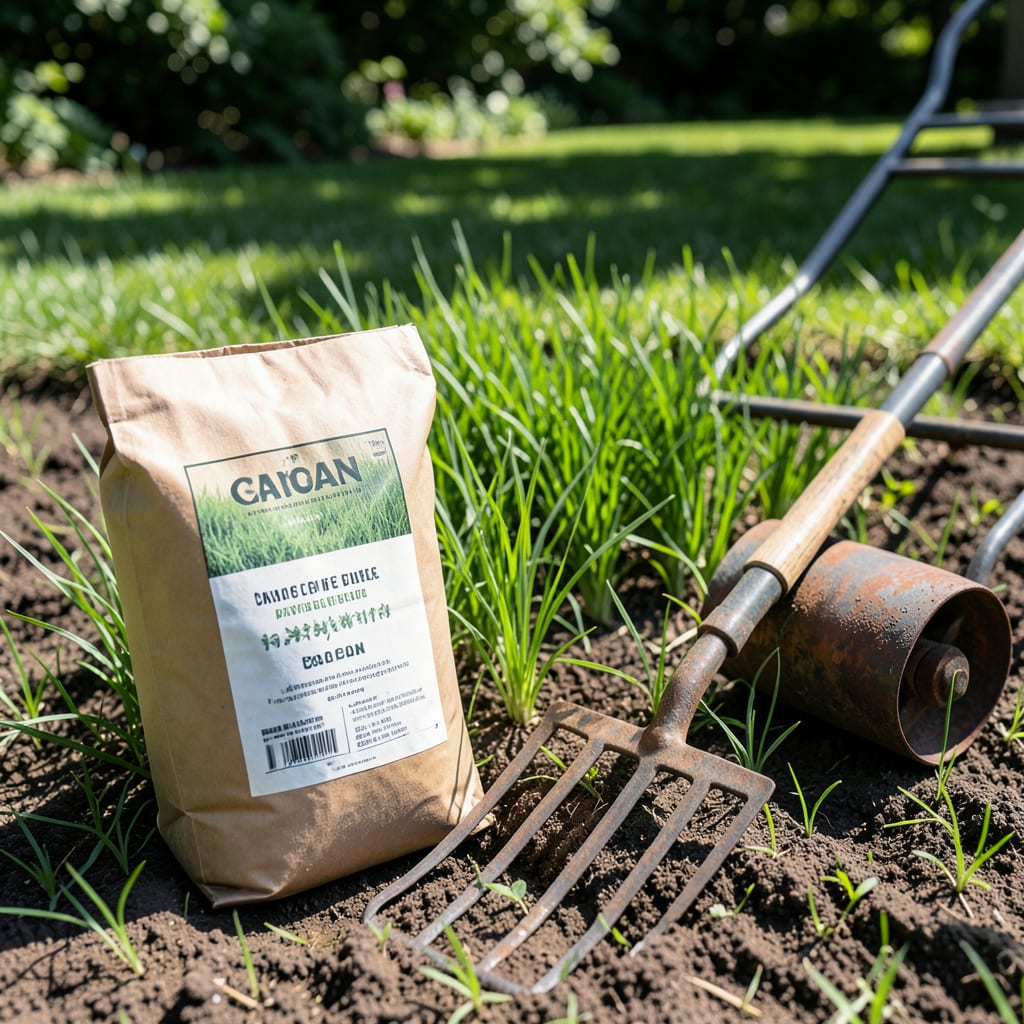
As a Michigan homeowner, getting your lawn just right can be challenging. Planting Grass 🌿 seed at the wrong time can lead to poor germination and a patchy lawn.
Understanding Michigan’s seasonal weather patterns is crucial for achieving a lush, healthy lawn. I’ll guide you through the best times to plant Grass seed, considering factors like temperature and soil conditions, to ensure your lawn thrives.
Ideal Time
Also Good
Michigan’s climate varies significantly across different regions, making it crucial to understand the optimal planting windows for grass seed. The state’s seasonal weather patterns, frost dates, and soil temperature requirements all play a role in determining the best time to plant.
The ideal time to plant grass seed in Michigan is during the late summer to early fall or in the spring. These periods offer the most favorable conditions for germination and establishment. I’ll break down the specifics of each planting window.
The spring planting window is ideal for cool-season grasses, which thrive in Michigan’s climate. Soil temperature is a critical factor; it should be between 55-65°F for optimal germination.
In the late summer to early fall, planting grass seed takes advantage of the cooler temperatures and increased moisture, reducing the need for frequent watering and minimizing competition from weeds.
Summer planting is generally not recommended due to the hot temperatures and potential drought, which can stress young seedlings and lead to poor establishment.
Understanding these seasonal factors helps homeowners choose the best time to plant grass seed in Michigan, ensuring a healthy and lush lawn.
For regions with shorter growing seasons, such as northern Michigan, it’s essential to plan accordingly and choose grass seed varieties that are suitable for the local climate and soil conditions.
By considering these factors and choosing the right planting window, Michigan homeowners can achieve successful germination and establishment of their grass seed, leading to a vibrant and healthy lawn.
It’s also important to note that soil preparation is key to successful grass seed planting, regardless of the season. Proper aeration, debris removal, and soil testing can significantly impact the success of new seedlings.
Overall, the key to successful grass seed planting in Michigan is understanding the state’s climate and choosing the optimal planting window based on seasonal weather patterns and soil conditions.
Proper preparation is crucial for successful grass seed planting in Michigan. I’ll walk you through the essential steps to ensure your lawn is ready for new seed 🌱.
Before planting, it’s critical to test your soil to determine its pH level and nutrient content. This information will help you choose the right grass seed type and fertilizers for optimal growth.
Conduct a soil test to determine pH and nutrient levels. Based on the results, you may need to adjust the soil’s pH or add specific nutrients to create optimal growing conditions.
Aerate your lawn to improve soil drainage and reduce soil compaction. Remove any debris, dead grass, or weeds to ensure good seed-to-soil contact.
Select a grass seed type that is suitable for Michigan’s climate and your specific lawn conditions. Consider factors like shade tolerance, drought resistance, and disease resistance when making your selection.
By following these preparation steps, you’ll create an ideal environment for your grass seed to germinate and establish a healthy, lush lawn 🌿.
Soil preparation is a critical factor in the success of your grass seed planting. Taking the time to properly prepare your lawn will pay off in the long run with a vibrant and healthy lawn.
For regions with unique soil conditions, such as areas with heavy clay or sandy soils, additional preparation steps may be necessary to ensure optimal growing conditions.
Overall, preparing your Michigan lawn for grass seed planting requires attention to detail and a commitment to creating the best possible growing conditions for your new seed.
By understanding the specific needs of your lawn and taking the necessary preparation steps, you’ll be well on your way to achieving a lush, healthy lawn that thrives in Michigan’s climate.
After planting grass seed in Michigan, proper care is crucial for successful germination and establishment. I’ll cover the essential post-planting care tips to help you achieve a healthy and lush lawn 🌿.
One of the most critical factors in post-planting care is maintaining the right watering schedule. Keep the soil consistently moist during the first few weeks after planting.
Water lightly but frequently to keep the top 2-3 inches of soil moist. As the grass grows, gradually reduce watering frequency while increasing the amount of water applied.
Fertilization timing is another important aspect of post-planting care. Avoid fertilizing immediately after planting. Instead, wait until the new grass has been mowed a few times.
When fertilizing, use a starter fertilizer that’s high in phosphorus to promote root development. Follow the manufacturer’s instructions for application rates and timing.
Mowing practices also play a role in post-planting care. Keep your mower blade at a higher setting for the first few mows to avoid stressing the young grass.
By following these post-planting care tips, you’ll be able to establish a strong and healthy lawn in Michigan.
Proper post-planting care is essential for achieving a lush, vibrant lawn that thrives in Michigan’s climate. By understanding the specific needs of your new grass seed, you’ll be well on your way to enjoying a beautiful outdoor space.
The ideal times are during spring (March-April) or late summer to early fall (mid-August to mid-September). These periods offer optimal conditions for germination and establishment.
Start by testing your soil to determine its pH and nutrient levels. Then, aerate your lawn and remove debris. Choose a grass seed type suitable for Michigan’s climate and your lawn conditions. Proper preparation ensures successful germination.
Keep the soil consistently moist during the first few weeks. Water lightly but frequently, aiming to keep the top 2-3 inches of soil moist. Gradually reduce frequency as the grass grows.
Wait until the new grass has been mowed a few times. Use a starter fertilizer high in phosphorus to promote root development. Follow the manufacturer’s instructions for application rates and timing.
