
Beautiful Plants For Your Interior
Beautiful Plants For Your Interior
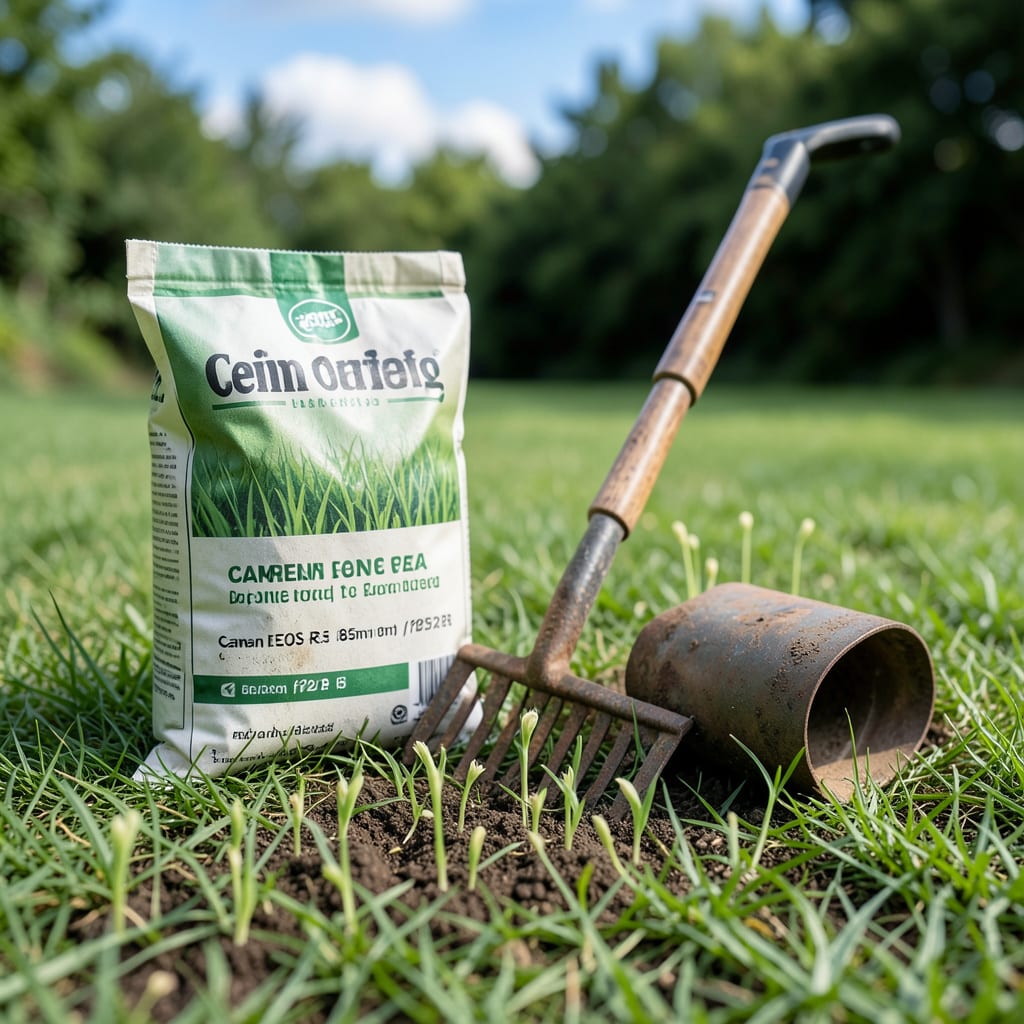
Planting grass seed in North Carolina requires precise timing for a lush lawn 🌾. The right moment depends on the type of grass and regional climate conditions.
In North Carolina’s USDA Zone 7a, the ideal time to plant grass seed is during the late summer to early fall, specifically August to September, when soil temperatures are optimal for germination.
Ideal Time
Also Good
Planting grass seed in North Carolina requires understanding the optimal seasons for different grass types. The state’s climate varies from the coastal regions to the mountains, affecting the best planting times 🌾.
In North Carolina’s USDA Zone 7a, the ideal time to plant grass seed depends on whether you’re planting cool-season or warm-season grasses. Cool-season grasses thrive in cooler temperatures, while warm-season grasses prefer warmer conditions.
The ideal months for planting grass seed in North Carolina are August and September for cool-season grasses, as the soil temperature is optimal for germination. For warm-season grasses, May** and June are usually the best times 🌟.
Regional variations also play a role in determining the best planting time. In the coastal regions, planting can occur slightly earlier than in the mountainous areas, where the climate is cooler 🔄.
Understanding these factors will help you choose the best time to plant grass seed in your specific area of North Carolina. By planting at the right time, you’ll ensure successful germination and establishment of your new lawn 🌱.
Cool-season grasses such as ryegrass and fescue are best planted in fall or early spring. These seasons provide the optimal temperature and moisture conditions for germination and establishment 🌿.
Warm-season grasses like Bermuda grass and Zoysia grass prefer the warmer temperatures of late spring to early summer. Planting during this time allows the grass to establish before the peak summer heat ☀️.
It’s also important to consider the soil temperature when planting grass seed. For cool-season grasses, the ideal soil temperature is between 50°F and 65°F, while warm-season grasses prefer soil temperatures above 65°F 🌡️.
By understanding the specific needs of your grass type and the climate conditions in your region, you can determine the best time to plant grass seed in North Carolina and achieve a lush, healthy lawn 🏠.
Additionally, factors such as rainfall patterns and soil moisture should be considered when deciding the best planting time. Adequate moisture is crucial for germination and establishment 💧.
Proper lawn preparation before planting is also essential. This includes soil testing, fertilization, and weed control, all of which contribute to creating an optimal environment for your new grass seed 🌱.
In summary, the key to successful grass seed planting in North Carolina is understanding the optimal planting times for your specific grass type and regional climate conditions. By doing so, you’ll be on your way to a lush, thriving lawn 🌾.
I always start by looking at the grass seed calendar for North Carolina. In USDA Zone 7a, the most reliable window is when soil warms to 55‑65°F, usually late summer through early fall. Planting at this moment gives seedlings the best chance to thrive. 🌱
For cool‑season grasses like fescue or ryegrass, I aim for early fall (September) or early spring (March). These grasses germinate best when temperatures dip below 65°F but stay above 50°F. Warm‑season varieties such as Zoysia need hotter soil, so I wait until late‑spring. 🌞
When I plant cool‑season grass, I target August and September. The soil stays warm enough for germination, yet cooler nights encourage strong root development before the first frost. This timing also aligns with natural rainfall, reducing irrigation needs during establishment.
For warm‑season grasses, I sow in May through June when soil temperatures exceed 70°F. Planting early allows the turf to establish strong crowns before the intense summer heat, leading to a dense, drought‑tolerant lawn that can survive the hotter months.
Living in the coastal plain, I can plant a week earlier than up in the mountain foothills, where cooler nights delay soil warming. Checking local weather forecasts helps me fine‑tune the sowing date, ensuring the seed isn’t exposed to unexpected frosts.
I always verify the soil temperature with a probe before seeding. If it reads between 55°F and 65°F, I spread the seed and lightly rake it in. Moisture is critical, so I water lightly right after planting and keep the ground consistently damp for two weeks.
By matching the grass type to the right seasonal window and paying attention to timing, I’ve seen my North Carolina lawns establish faster and stay greener longer. Remember, patience and proper timing are the keys to a thriving lawn. 🌿
I also schedule a light fertilizer application in early fall, using a 20‑10‑10 blend at 1 lb per 1,000 sq ft. This feeds the new roots and prepares the lawn for winter dormancy.
Before planting grass seed in North Carolina, proper lawn preparation is essential for successful germination and establishment 🌱.
I always start by testing the soil pH and adjusting it if necessary. Most grass types prefer a slightly acidic to neutral soil pH, between 6.0 and 7.0.
Test your soil to determine its pH and nutrient levels.
Clear the area of debris, weeds, and existing grass.
Loosen the top 8-10 inches of soil to improve drainage and root growth.
Ensure the soil is evenly distributed and level.
After preparing the soil, I choose the right grass type for my lawn based on factors like sunlight exposure, soil type, and intended use of the lawn 🌟.
Cool-season grasses like fescue and ryegrass are ideal for shaded areas and cooler temperatures, while warm-season grasses like Bermuda grass and Zoysia grass thrive in full sun and warmer conditions ☀️.
By following these steps and choosing the appropriate grass type, you’ll create an optimal environment for your new grass seed to germinate and establish, leading to a lush, healthy lawn in North Carolina 🌱.
Proper lawn care after planting is also crucial. This includes watering, mowing, and fertilizing strategies tailored to North Carolina’s regional conditions 💧.
Regular maintenance will help your lawn stay healthy and vibrant throughout the year. By understanding the specific needs of your grass type and the local climate, you can enjoy a beautiful, thriving lawn 🏠.
In summary, preparing your lawn for grass seed planting involves several key steps, from soil preparation to choosing the right grass type. By following these guidelines, you’ll be well on your way to a lush, green lawn 🌾.
The best time to plant grass seed in North Carolina depends on the type of grass. For cool-season grasses, plant in early fall (September) or early spring (March). For warm-season grasses, plant in late spring to early summer (May-June).
Start by testing your soil pH and adjusting it if necessary. Then, remove debris and weeds, till the soil to 8-10 inches deep, and level the ground. Choose the right grass type for your lawn based on factors like sunlight exposure and soil type.
For cool-season grasses, the ideal soil temperature is between 50°F and 65°F. For warm-season grasses, the soil temperature should be above 65°F. Use a soil probe to check the temperature before planting.
Keep the soil consistently moist during the first two weeks after planting. Water lightly but frequently, ideally 2-3 times a week, depending on weather conditions. Adjust based on rainfall and soil moisture.
