
Beautiful Plants For Your Interior
Beautiful Plants For Your Interior
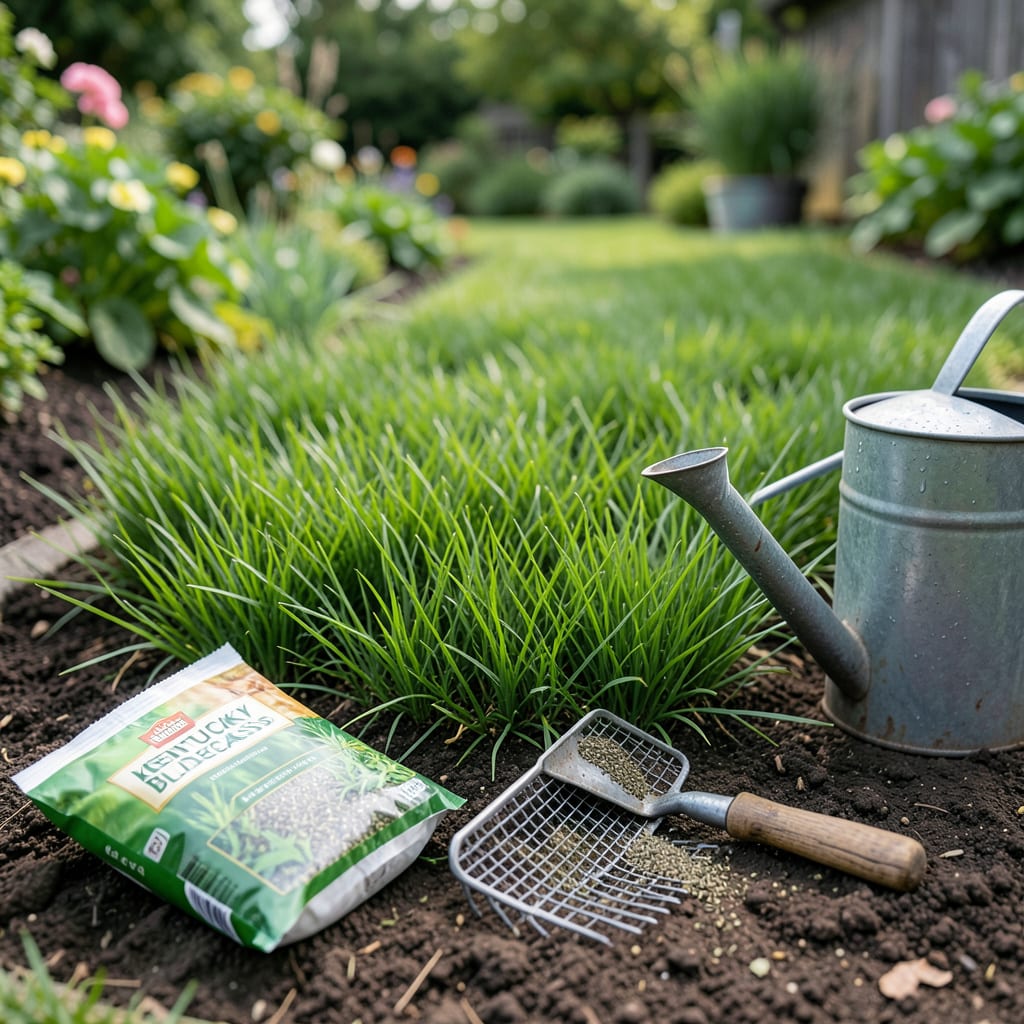
Indiana’s climate can be tricky for lawn establishment, but timing is everything. Planting Grass 🌿 at the right moment makes all the difference in achieving a lush, healthy lawn.
In Indiana’s 5b-6b USDA zone, the ideal times to plant grass are during the spring or early fall. I’ll walk you through the best practices for giving your lawn the best start possible.
Indiana’s climate presents unique challenges for lawn establishment, making timing crucial for successful grass planting. The state’s continental climate with cold winters and hot summers requires careful consideration of when to plant grass.
The ideal times to plant grass in Indiana are during the spring (late March to early May) and early fall (late August to early October). These periods offer the best conditions for grass growth, with moderate temperatures and adequate moisture.
The spring planting season typically starts in late March and continues through early May. During this time, the soil is warming up, and there’s ample moisture from spring rains. This combination creates ideal conditions for seed germination and establishment. For cool-season grasses like bluegrass and fescue, spring is an excellent time to plant as it allows them to establish before the hot summer weather.
In the early fall, from late August to early October, the conditions are similarly favorable. The soil is still warm from the summer, which promotes root growth, while the cooler air temperatures reduce stress on the new grass. This timing also helps avoid the peak weed growing seasons, giving your new lawn a better chance to establish without competition.
When deciding between spring and fall planting, consider the type of grass you’re planting. Cool-season grasses thrive when planted in early fall or spring, while warm-season grasses do better when planted in late spring to early summer. Understanding these nuances can help you choose the best time for your specific lawn needs 🌿.
It’s also important to consider the specific weather conditions for your area within Indiana. The state’s climate can vary significantly from north to south, with the southern regions typically being warmer and the northern regions cooler. Checking local weather forecasts and soil temperature can provide more precise guidance for your planting schedule.
For cool-season grasses, the ideal soil temperature for planting is between 50°F and 65°F. This temperature range usually occurs during the spring and fall. For warm-season grasses, the soil temperature should be consistently above 65°F, which is more common in late spring.
Proper timing is just the first step in establishing a healthy lawn. Following the optimal planting times with appropriate soil preparation and post-planting care will significantly improve your chances of success. This includes ensuring good soil contact with the seeds, maintaining adequate moisture during the establishment period, and controlling weeds.
By planting at the right time and following through with proper lawn care practices, you can achieve a lush, resilient lawn that enhances your property’s beauty and value. Whether you choose to plant in spring or fall, understanding and adapting to Indiana’s climate will be key to your lawn’s success.
Remember that local conditions can vary, so it’s always a good idea to consult with local gardening experts or your county extension office for more specific advice tailored to your area.
Proper preparation is key to successful grass planting in Indiana. Before you start planting, it’s essential to assess your lawn’s condition and make necessary improvements 🌿.
First, test your soil to determine its pH level and nutrient content. Indiana’s soil can vary significantly across different regions, and understanding your soil’s characteristics will help you choose the right grass type and amendments.
Clear the area of any debris, weeds, or existing grass. This will give your new grass a clean start.
Till the soil to a depth of 8-10 inches to loosen it and improve drainage.
Based on your soil test results, add necessary amendments such as fertilizers or lime to adjust the pH and improve soil fertility.
Ensure the ground is level to prevent water from pooling in certain areas.
Choosing the right type of grass for your Indiana lawn is also crucial. Cool-season grasses like bluegrass and fescue are well-suited for the state’s climate, especially when planted in spring or fall. For areas with full sun, consider perennial ryegrass or turf-type tall fescue. For shaded areas, fine fescue is a good option.
After preparing your soil and selecting the appropriate grass type, you’re ready to plant.
Proper soil preparation and grass selection are foundational to establishing a healthy, thriving lawn in Indiana. By taking the time to prepare your lawn correctly, you’ll set yourself up for success and enjoy a lush, green lawn for years to come 🌟.
For more specific advice tailored to your local conditions, consider consulting with a local gardening expert or your county extension office. They can provide valuable insights and recommendations based on your specific soil type, climate, and other regional factors.
By following these steps and choosing the right grass for your Indiana lawn, you’ll be well on your way to creating a beautiful and resilient outdoor space.
After planting grass in Indiana, proper care is crucial for establishment and long-term health. I’ll share key tips to help your new lawn thrive.
Keep soil consistently moist during the first few weeks after planting. Water lightly but frequently to prevent washing away seeds 🌿.
Watering is critical during the establishment phase. For newly planted grass, maintain consistent moisture in the top 2-3 inches of soil. Water when the top inch of soil feels dry to the touch.
As your lawn establishes, gradually reduce watering frequency while increasing the amount of water applied. This encourages deeper root growth, making your lawn more drought-resistant.
Mowing practices also play a significant role in lawn health. Maintain your mower at a height of 2.5-3 inches for most cool-season grasses. Never remove more than one-third of the grass blade in a single mowing.
Fertilization is another important aspect of post-planting care. For newly planted grass, avoid fertilizing during the first 4-6 weeks. After this initial period, apply a starter fertilizer according to the product’s instructions.
Regular maintenance, including proper mowing, appropriate watering, and periodic fertilization, will help your Indiana lawn remain healthy and vibrant. By following these guidelines, you’ll be on your way to enjoying a lush, green lawn that enhances your outdoor space 🌟.
The best times to plant grass in Indiana are during spring (late March to early May) and early fall (late August to early October). These periods offer moderate temperatures and adequate moisture, ideal for grass growth.
While it’s possible to plant grass in summer, it’s not ideal due to hot temperatures and potential dry spells. If you must plant in summer, choose a heat-tolerant grass variety and maintain consistent moisture. Water lightly but frequently.
Start by testing your soil to determine its pH and nutrient levels. Then, remove debris and weeds, till the soil to 8-10 inches deep, and add necessary amendments based on your soil test results. This preparation helps create a favorable environment for your new grass.
Keep the soil consistently moist during the first few weeks after planting. Water lightly but frequently to prevent washing away seeds. As your lawn establishes, gradually reduce watering frequency while increasing the amount of water applied to encourage deeper root growth.
