
Beautiful Plants For Your Interior
Beautiful Plants For Your Interior
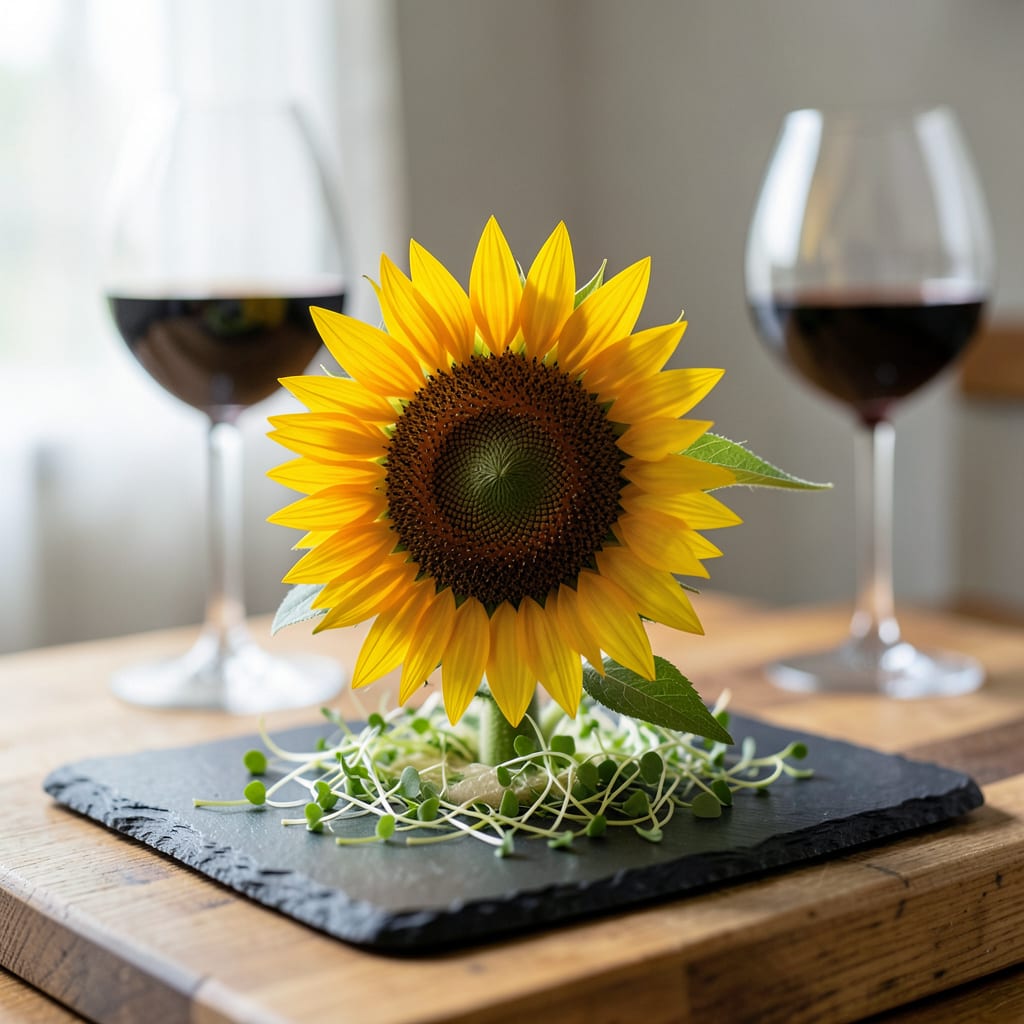
Sunflowers 🌻 bring vibrant beauty to Florida gardens, but timing is crucial for maximum growth and blooming success. The Sunshine State’s warm climate allows for spring planting, making it ideal to sow seeds directly after the last frost date.
In Florida’s USDA zones 9-11, the best time to plant sunflowers is from February to May, with March and April being the peak months. By planting during this window, you’ll be on your way to enjoying these stunning flowers during the summer months.
Ideal Time
Also Good
Florida’s diverse climate across different regions affects the ideal time to plant sunflowers. Understanding these regional variations is crucial for optimal growth and blooming success. The state’s climate ranges from subtropical in the south to humid subtropical in the north, impacting planting schedules 🌻.
The regional planting times vary significantly across Florida. In North Florida, the last frost date is typically around mid-March, making late March to early April ideal for planting. Central Florida can start planting as early as February, while South Florida can begin in late winter to early spring. These regional differences are critical for maximizing sunflower growth.
When planning to plant sunflowers in Florida, it’s essential to consider the last frost date for your specific region. Sunflowers thrive in warm temperatures and full sun, making Florida’s climate ideal for their growth. By planting at the right time, you can ensure a vibrant display of sunflowers throughout the state 🌞.
The ideal planting window for sunflowers in Florida is from February to May, with March and April being the peak months. This period allows the plants to mature before the intense summer heat sets in. Planting during this window also helps them avoid common pests and diseases that are more prevalent later in the season.
To further optimize sunflower planting, gardeners should also be aware of the soil conditions and moisture levels in their specific region. Well-drained soil and adequate moisture are critical for healthy sunflower growth. By understanding these factors and planting at the right time, Florida gardeners can enjoy a successful sunflower harvest 🌼.
Regional climate variations play a significant role in determining the best planting time. For example, areas with a longer growing season can support multiple plantings, while regions with a shorter growing season may require more precise timing. Understanding these variations is key to successful sunflower cultivation.
In addition to timing, soil preparation is crucial for sunflower success. Ensuring the soil is well-drained and rich in nutrients will support healthy plant growth. Gardeners should also be mindful of watering needs, as sunflowers require consistent moisture, especially during the germination and flowering stages 💧.
By combining knowledge of regional planting times with proper soil preparation and care, Florida gardeners can enjoy a bountiful sunflower harvest. Whether you’re in North, Central, or South Florida, understanding the specific needs of your region will help you grow these beautiful flowers successfully 🌻.
Sunflowers are not only a beautiful addition to any garden, but they also provide numerous benefits, including attracting pollinators and adding height to garden landscapes. By planting at the right time and providing proper care, you can enjoy these benefits throughout the growing season 🌼.
In conclusion, the key to successful sunflower planting in Florida is understanding the regional planting times and climate conditions. By planting at the optimal time for your region and providing proper care, you can enjoy a vibrant display of sunflowers that will enhance your garden’s beauty and biodiversity 🌞.
Preparing the soil properly is a critical step in growing successful sunflowers in Florida’s unique climate. Sunflowers require well-drained soil with good nutrient content to thrive. Florida’s sandy soils often need amendments to improve their water-holding capacity and fertility 🌿.
I recommend starting with a soil test to determine your soil’s pH and nutrient levels. Sunflowers prefer a slightly acidic to neutral soil pH between 6.0 and 7.0. Based on your soil test results, you can add necessary amendments like compost or well-rotted manure to improve soil structure and fertility.
Add 2-3 inches of compost to improve soil structure and fertility. Mix well into the top 6-8 inches of soil before planting sunflowers 🌱.
When preparing your soil, it’s also important to ensure it’s well-drained. Sunflowers don’t tolerate waterlogged conditions, which can lead to root rot and other problems. Adding organic matter like compost can help improve drainage in heavy clay soils 🌻.
Proper soil preparation also involves removing any debris and weeds from the planting area. Sunflowers have deep taproots, so it’s essential to loosen the soil to a depth of at least 12 inches to allow for proper root development. This will help your sunflowers establish a strong root system and access nutrients deep in the soil.
In Florida’s climate, soil moisture is another critical factor. Sunflowers need consistent moisture, especially during germination and flowering. However, they don’t like wet feet, so ensuring good drainage is crucial. Mulching around the plants can help retain moisture and suppress weeds 🌼.
By following these soil preparation tips, you can create an ideal environment for your sunflowers to grow and thrive in Florida’s climate.
Sunflowers are relatively low-maintenance plants, but they do benefit from regular watering and fertilization. By understanding and meeting their soil needs, you can enjoy a vibrant display of these beautiful flowers in your Florida garden 💐.
In summary, proper soil preparation is key to growing successful sunflowers in Florida. By testing your soil, adding necessary amendments, ensuring good drainage, and maintaining appropriate moisture levels, you can create the ideal conditions for these stunning plants to flourish 🌻.
When planting sunflowers in Florida, it’s essential to be aware of common mistakes that can hinder their growth and success. One of the most critical errors is planting too early, before the last frost date, which can damage or kill young seedlings 🌼.
Another mistake is incorrect spacing. Sunflowers need adequate space to grow, typically 12-18 inches between each plant, depending on the variety. Overcrowding can lead to reduced air circulation, increased risk of disease, and competition for nutrients 🌻.
Avoid overwatering, which can lead to root rot and other issues. Water sunflowers deeply but infrequently to encourage deep root growth 💧.
Poor soil preparation is another common mistake. Sunflowers require well-drained soil with adequate nutrients. Failing to test and amend the soil can result in stunted growth and poor flowering 🌿.
To avoid these mistakes, gardeners should also be mindful of pest and disease management. Regularly inspect your plants for signs of pests or diseases, and take action promptly to prevent their spread 🌼.
By being aware of these common mistakes and taking steps to avoid them, Florida gardeners can successfully grow sunflowers that thrive in the state’s climate. Proper planning, soil preparation, and care will ensure a vibrant display of these beautiful flowers 🌻.
In summary, avoiding common mistakes when planting sunflowers in Florida involves proper timing, adequate spacing, careful watering, and good soil preparation. By following these guidelines, gardeners can enjoy a successful sunflower harvest 🌞.
The best time to plant sunflowers in Florida is from February to May, with March and April being the peak months. This allows the plants to mature before the intense summer heat sets in. Planting during this window also helps them avoid common pests and diseases that are more prevalent later in the season.
Florida’s diverse climate across different regions affects the ideal time to plant sunflowers. In North Florida, plant in late March to early April, while Central Florida can start in February, and South Florida can begin in late winter to early spring. Understanding these regional differences is crucial for maximizing sunflower growth.
Start with a soil test to determine pH and nutrient levels. Sunflowers prefer slightly acidic to neutral soil (pH 6.0-7.0). Add compost or well-rotted manure to improve soil structure and fertility. Ensure the soil is well-drained and loosen it to a depth of at least 12 inches for proper root development.
Common mistakes include planting too early before the last frost date, incorrect spacing (should be 12-18 inches between plants), and overwatering. Poor soil preparation can also lead to stunted growth and poor flowering. Being aware of these mistakes can help ensure a successful sunflower harvest.
