
Beautiful Plants For Your Interior
Beautiful Plants For Your Interior
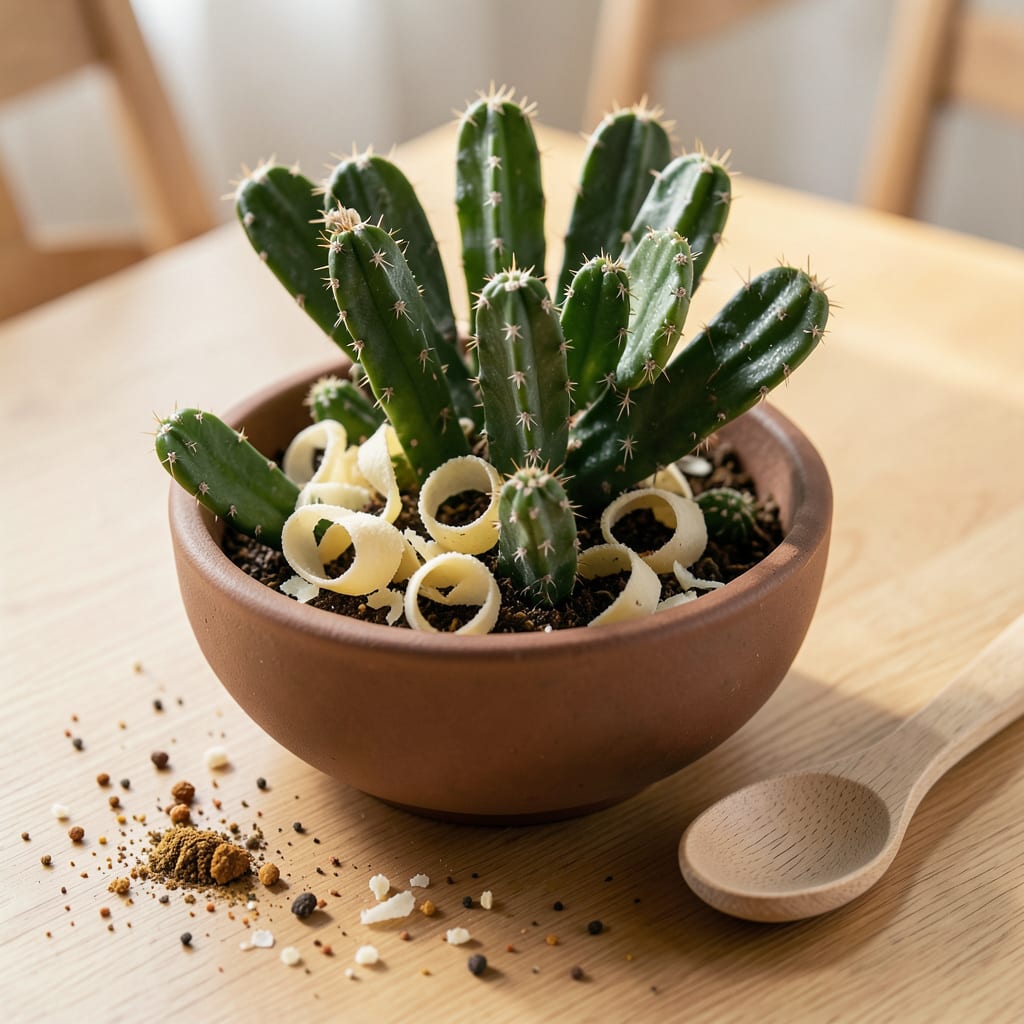
As the holiday season approaches, getting your Christmas cactus 🌵 ready for blooming becomes a top priority. Fertilizing at the right time is crucial for vibrant flowers, but when exactly should you do it?
For Christmas cactus owners in USDA zone 6a, the fertilization window typically opens in spring and continues through summer. Let’s explore the best fertilization schedule to ensure your plant thrives and blooms beautifully.

Fertilizing your Christmas cactus at the right time is crucial for promoting healthy growth and vibrant blooms. The ideal fertilization period begins in spring and continues through summer, supporting the plant’s active growth phase 🌵.
For Christmas cactus owners, particularly in USDA zone 6a, understanding the specific fertilization needs is key to achieving blooming success. The plant requires a balanced fertilizer during its growing season to ensure optimal health and flower production.
Using a balanced fertilizer (10-10-10 NPK) is recommended for Christmas cacti. The fertilizer should be applied after watering to prevent root burn and ensure optimal nutrient absorption.
The frequency of fertilization is typically every 4 weeks during the growing season. This schedule supports the plant’s nutritional needs without over-fertilizing, which can be harmful.
It’s also important to note that the fertilization needs may vary slightly based on the specific growing conditions and the plant’s overall health. Monitoring the plant’s response to fertilization and adjusting as necessary is a good practice.
In addition to the right fertilization schedule, maintaining appropriate watering and lighting conditions is crucial for the overall health of the Christmas cactus. Ensuring the plant receives bright, indirect light and is watered every 7-10 days during the growing season will support its growth and blooming potential.
By following this fertilization schedule and providing the right care, you can enjoy vibrant blooms from your Christmas cactus during the holiday season 🌼.
For more detailed information on caring for your Christmas cactus, including tips on repotting and managing pests, refer to additional resources on Christmas cactus care.
Adjusting your care routine according to the plant’s specific needs and the local climate will further enhance its health and blooming success.
Regularly inspecting your plant for signs of nutrient deficiency or other health issues can help you make informed decisions about its care.
By combining the right fertilization schedule with proper care practices, you can ensure your Christmas cactus thrives and remains a beautiful addition to your home for years to come.
Fertilizing your Christmas cactus requires careful consideration of the type of fertilizer and application frequency. Using a balanced fertilizer (10-10-10 NPK) is recommended to support healthy growth and blooming 🌵.
To achieve blooming success, it’s essential to fertilize your Christmas cactus during its active growing season. The fertilization frequency should be every 4 weeks during this period.
Apply fertilizer after watering to prevent root burn and ensure optimal nutrient absorption. Monitor your plant’s response and adjust fertilization as needed.
One common mistake to avoid is over-fertilizing, which can damage the plant. Stick to the recommended fertilization schedule and adjust based on your plant’s specific needs.
In addition to proper fertilization, maintaining the right watering and lighting conditions is crucial. Ensure your Christmas cactus receives bright, indirect light and is watered every 7-10 days during the growing season 🌼.
By following these fertilizing tips and providing the right care, you can promote healthy growth and enjoy vibrant blooms from your Christmas cactus during the holiday season.
For more detailed information on caring for your Christmas cactus, including tips on repotting and managing pests, refer to additional resources on Christmas cactus care.
Adjusting your care routine according to the plant’s specific needs and the local climate will further enhance its health and blooming success.
After fertilizing your Christmas cactus, it’s essential to maintain proper care to support its overall health and blooming potential 🌵.
One crucial aspect is watering. Ensure your plant is watered every 7-10 days during the growing season. Check the soil moisture by inserting your finger into the soil up to the first knuckle. If the soil feels dry, it’s time to water 🌼.
By following these post-fertilization care tips, you can ensure your Christmas cactus remains healthy and thrives. Regularly inspect your plant for signs of nutrient deficiency or other health issues to make informed decisions about its care 🌿.
Combining proper fertilization with the right care practices will enhance your Christmas cactus’s health and blooming success, making it a beautiful addition to your home for years to come 🌸.
Fertilize your Christmas cactus every 4 weeks during its active growing season, which typically spans from spring to late summer. Using a balanced fertilizer (10-10-10 NPK) supports healthy growth and blooming.
A balanced fertilizer with equal parts nitrogen, phosphorus, and potassium (10-10-10 NPK) is ideal for Christmas cacti. This type of fertilizer promotes overall plant health and supports blooming. Apply it after watering to prevent root burn.
No, it’s best to stop fertilizing your Christmas cactus during the winter months (October to February). This allows the plant to rest and recharge for the next growing season. Fertilizing during this period can cause unnecessary stress to the plant.
Signs of over-fertilization include yellowing or browning of the segments, and potentially, the appearance of salt buildup on the soil surface. If you notice these symptoms, flush the soil with water to remove excess fertilizer salts and adjust your fertilization schedule accordingly.
