
Beautiful Plants For Your Interior
Beautiful Plants For Your Interior
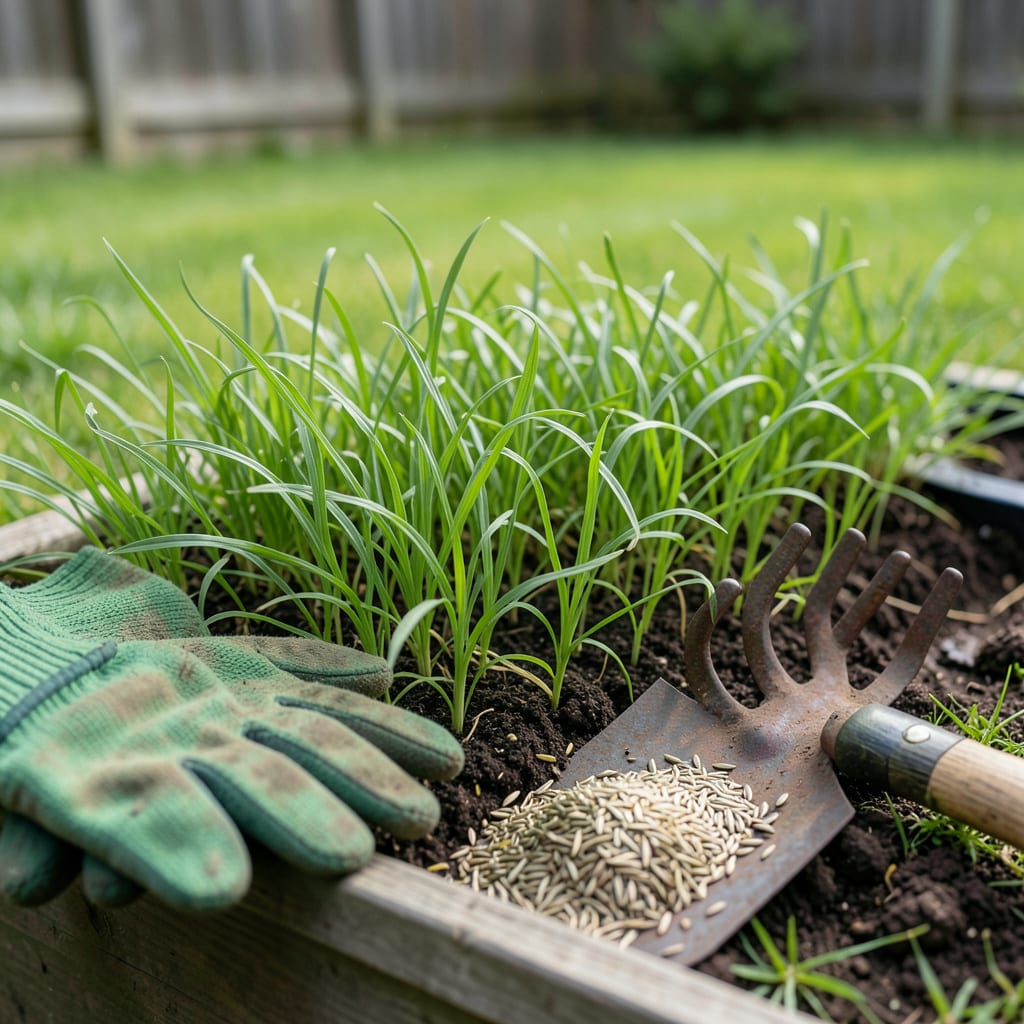
Spring is the perfect time to give your lawn a fresh start with 🌾 Grass, but timing is everything. In USDA Zone 6, you’ll want to plant when the soil temperature is just right – not too cold, not too warm.
I’ve learned that April and May are typically ideal months for planting grass in the spring. Let’s explore the key factors to consider for successful grass growth in your General location.
When it comes to planting grass in the spring, timing is crucial for successful germination and establishment. I always recommend understanding the key factors that determine the best planting time in your area 🌾.
The ideal time to plant grass seed in spring is when soil temperatures reach 55-65°F, typically 2-3 weeks before the last frost date. For most regions, this falls between late March and early May, depending on your specific climate zone ⏰.
Understanding your local climate and frost dates is essential for determining the best spring planting time. In USDA Zone 6, for example, the last frost date is typically around April 15, so planting should occur in early to mid-April 📅.
Soil temperature is a critical factor, as cool-season grasses thrive in these temperatures. Warm-season grasses, on the other hand, prefer slightly warmer soil. Using a soil thermometer can help you determine if conditions are right 🌱.
Other important factors to consider include moisture levels and weather patterns. Spring planting allows grass to establish before the heat of summer, but it requires consistent moisture during germination 🔄.
Regional variations play a significant role in the optimal planting time. For instance, in warmer climates like USDA Zone 8, planting may occur as early as late February, while in cooler zones like 4, it might be delayed until late May 🌡️.
To ensure successful establishment, it’s crucial to prepare your soil properly before planting. This includes removing debris, loosening compacted soil, and adding necessary amendments based on your soil test results 🌿.
Choosing the right grass type for your specific climate and soil conditions is equally important. Cool-season grasses like ryegrass and fescue do well in spring, while warm-season grasses like Bermuda grass and Zoysia grass are better suited for late spring to early summer planting 🌱.
By understanding these factors and planning accordingly, you can give your lawn the best chance to thrive during the spring growing season. Proper timing and preparation are key to a lush, healthy lawn that will last throughout the year 🌾.
For more specific guidance tailored to your region, consult with local gardening experts or your county extension office. They can provide valuable insights into the best practices for your area and help you achieve the lawn of your dreams 🏠.
Before planting grass in the spring, it’s essential to prepare your lawn properly. I always start by cleaning up debris and removing any dead grass or weeds that may have accumulated over winter 🌿.
Lawn cleanup is a critical first step. Remove any debris, such as twigs or dead leaves, to ensure good contact between the soil and the new grass seed. You can use a rake or a lawn aerator to loosen the top layer of soil and promote healthy drainage 🌻.
Determine your soil type and pH level to choose the right amendments
Use a garden fork or aerator to improve soil structure and drainage
Apply fertilizers or other amendments based on your soil test results
Choosing the right grass type is also crucial for successful spring planting. Consider factors like climate, soil type, and intended use when selecting a grass species. Cool-season grasses like ryegrass and fescue are excellent choices for spring planting in temperate climates 🌟.
For areas with heavy foot traffic, consider using a mix that includes perennial ryegrass for its durability. In shaded areas, fine fescue can be an excellent option due to its shade tolerance 🌳.
Proper soil preparation is key to giving your new grass the best start. By following these steps and choosing the right grass type, you’ll be well on your way to a lush, healthy lawn 🌱.
With careful planning and preparation, you can achieve a beautiful, thriving lawn that will enhance your outdoor space for years to come 🏠.
After planting grass seed in the spring, proper care is crucial for successful establishment. I always emphasize the importance of consistent watering during the germination period, which typically lasts 7-14 days 🌿.
To ensure optimal growth, it’s essential to maintain adequate soil moisture without overwatering. Water lightly but frequently, keeping the top 1-2 inches of soil consistently moist 🔄.
Water in the early morning to minimize evaporation and reduce the risk of fungal diseases. Avoid watering in the evening as it can encourage fungal growth 🌻.
Maintaining soil temperature is another critical factor. Mulching lightly with organic material can help regulate soil temperature and retain moisture. Keep the area consistently moist until the new grass is 3-4 inches tall 🌱.
Protecting new seedlings from pests and diseases is also vital. Monitor your lawn regularly for signs of insect damage or disease, and take action promptly if necessary. Using organic pest control methods whenever possible can help maintain a healthy ecosystem 🐝.
As your new grass grows, gradually reduce watering frequency while increasing the amount of water applied. This encourages deep root growth, making your lawn more drought-resistant and resilient 💪.
By following these post-planting care tips, you can give your spring-planted grass the best chance to establish a strong, healthy root system and thrive throughout the growing season 🌾.
For more specific advice on caring for your new lawn, consider consulting with local lawn care professionals who can provide tailored guidance based on your region’s climate and conditions 📚.
The ideal soil temperature for planting grass in spring is between 55-65°F. This temperature range typically occurs 2-3 weeks before the last frost date in your area. Using a soil thermometer can help you determine if conditions are right for planting.
Water newly planted grass seed lightly but frequently to keep the top 1-2 inches of soil consistently moist. Watering in the early morning helps minimize evaporation and reduces the risk of fungal diseases.
For spring planting in temperate climates, cool-season grasses like ryegrass and fescue are excellent choices. These grass types thrive in the cooler temperatures of spring and establish well before the heat of summer.
Grass seed typically germinates within 7-14 days after spring planting, depending on factors like soil temperature, moisture, and grass type. Keep the soil consistently moist during this period to support germination.
