
Beautiful Plants For Your Interior
Beautiful Plants For Your Interior
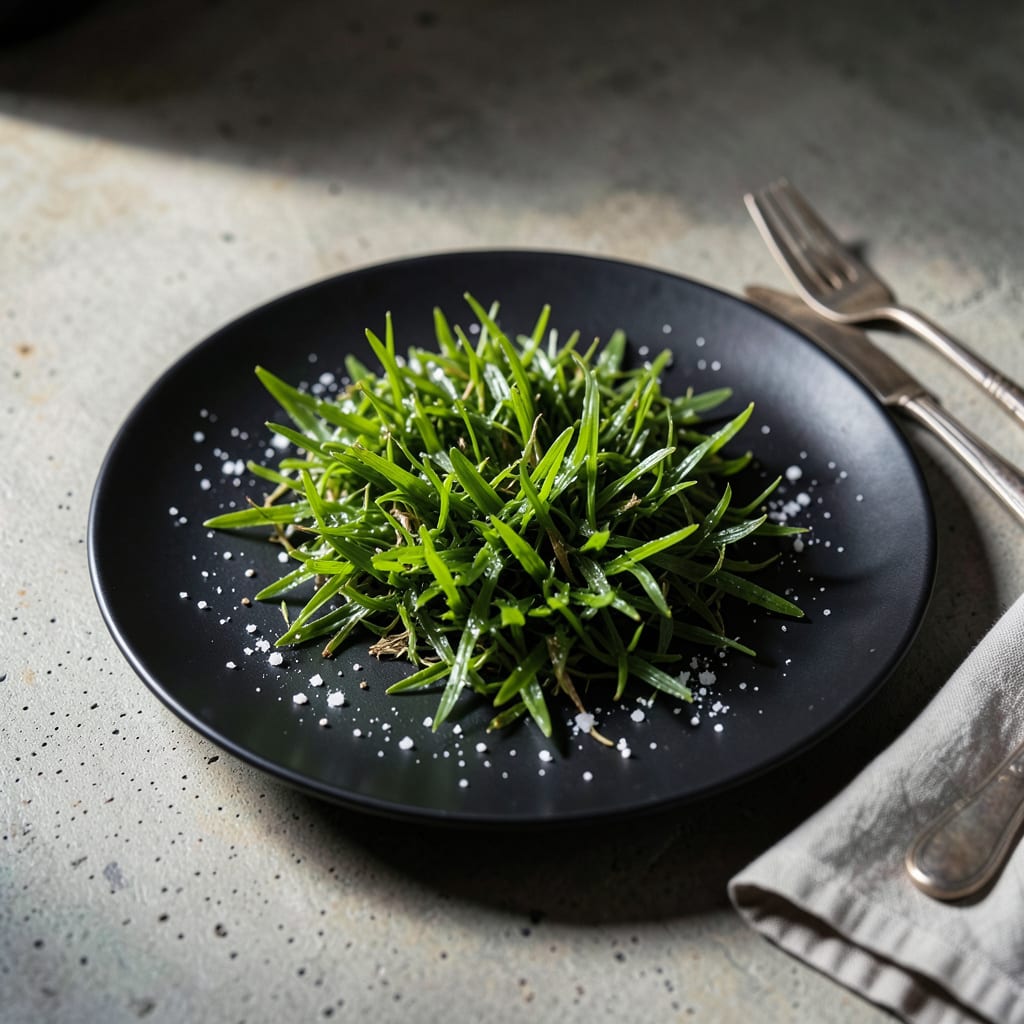
Fertilizing your Lawn 🌿 at the right time is crucial for a lush, healthy turf in South Florida’s unique climate. With year-round growing conditions in USDA Zone 10b/11a, timing your fertilization correctly can make all the difference.
I recommend fertilizing during the active growing seasons – typically in spring and fall. This ensures your Lawn 🌿 receives the necessary nutrients to thrive in South Florida’s climate.

In South Florida’s unique climate, fertilizing your lawn at the right time is crucial for maintaining a lush, healthy turf. The region’s year-round growing conditions in USDA Zone 10b/11a mean that timing your fertilization correctly can make all the difference 🌿.
I recommend understanding the optimal fertilization schedule based on your grass type and seasonal growth patterns. Different grass types have different needs, and South Florida’s climate allows for multiple fertilization periods throughout the year 🌱.
The ideal fertilization frequency for lawns in South Florida is every 6-8 weeks during the active growing season. This schedule helps maintain consistent nutrient levels and promotes healthy growth 🌱.
For most lawns in South Florida, a slow-release fertilizer with an NPK ratio of 3-1-2 or 4-1-2 is recommended. This type of fertilizer provides a steady supply of nutrients to the grass, promoting healthy growth and development 🌿.
When applying fertilizer, it’s essential to follow the recommended application rate to avoid over-fertilizing. Typically, this is around 1 lb per 1000 sqft. Over-fertilizing can lead to excessive growth, increased risk of disease, and environmental pollution 🌪️.
The best time to fertilize is during the early morning or evening when temperatures are cooler, reducing the risk of fertilizer burn and ensuring better absorption by the grass ☀️.
Understanding your specific grass type is also crucial for determining the best fertilization schedule. Common grass types in South Florida include St. Augustinegrass, Bahiagrass, and Zoysiagrass, each with its unique needs 🌿.
Regular soil testing can help identify nutrient deficiencies and guide your fertilization program. This is particularly important in South Florida’s diverse soil types, which can range from sandy soils to clay-based soils 🌿.
By following these guidelines and understanding your lawn’s specific needs, you can maintain a healthy, lush turf that enhances your outdoor space and withstands the challenges of South Florida’s climate 🌴.
Maintaining a regular fertilization schedule, combined with proper mowing, watering, and pest control, will help ensure your lawn remains healthy and vibrant throughout the year 📅.
For more specific advice tailored to your lawn’s needs, consider consulting with a local gardening expert or landscape professional who can provide guidance based on your specific conditions and grass type 📞.
Maintaining a healthy lawn in South Florida requires understanding the region’s unique climate and seasonal growth patterns. The year-round growing season means that lawn care needs to be adjusted throughout the year to keep your turf lush and healthy 🌿.
I recommend focusing on seasonal fertilization and maintenance to ensure your lawn thrives. By understanding the specific needs of your grass type and the local climate, you can create an effective lawn care plan 🌱.
Apply a balanced fertilizer as growth resumes in spring. This helps promote healthy growth and prepares your lawn for the active growing season 🌸.
Maintain regular fertilization every 6-8 weeks during the summer. Use a slow-release fertilizer to provide nutrients throughout the hot months ☀️.
Continue fertilizing through fall to maintain lawn health. Consider using a fertilizer with micronutrients to address any deficiencies that may have developed during the growing season 🍂.
By following these seasonal lawn care tips, you can ensure your lawn remains healthy and vibrant throughout the year. Regular maintenance, combined with proper fertilization, will help your lawn withstand the challenges of South Florida’s climate 🌴.
For more specific advice tailored to your lawn’s needs, consider consulting with a local gardening expert or landscape professional who can provide guidance based on your specific conditions and grass type 📞.
Maintaining a regular fertilization schedule, along with proper mowing and watering practices, will help ensure your lawn remains lush and healthy. This comprehensive approach to lawn care is essential for achieving the best results in South Florida’s unique climate 🌟.
Fertilizing your lawn in South Florida requires careful consideration to avoid common mistakes that can harm your turf and the environment. I recommend being aware of these pitfalls to ensure your lawn care efforts are effective and safe 🌿.
One of the most critical errors to avoid is over-fertilizing. Applying too much fertilizer can lead to excessive growth, increased risk of disease, and environmental pollution. Always follow the recommended application rate for your specific fertilizer 🌪️.
Avoid fertilizing during the peak hurricane season (August-October) when heavy rainfall can cause fertilizer runoff into waterways.
Another mistake is fertilizing at the wrong time. In South Florida’s climate, it’s best to fertilize during the cooler parts of the day, such as early morning or evening, to reduce the risk of fertilizer burn ☀️.
Using the wrong type of fertilizer for your grass type is also a common error. Different grass types, such as St. Augustinegrass, Bahiagrass, and Zoysiagrass, have different nutrient needs.
Neglecting soil testing is another critical mistake. Regular soil tests help identify nutrient deficiencies and guide your fertilization program, ensuring you’re not wasting money on unnecessary nutrients or causing harm through over-application 🌿.
By avoiding these common fertilization mistakes, you can maintain a healthy, lush lawn while protecting the environment. Stay informed and adjust your lawn care practices accordingly to achieve the best results in South Florida’s unique climate 📚.
For personalized advice and to ensure you’re using the best practices for your specific lawn conditions, consider consulting with a local gardening expert or landscape professional 📞.
In South Florida, it’s recommended to fertilize your lawn every 6-8 weeks during the active growing season. This frequency helps maintain consistent nutrient levels and promotes healthy growth. For most lawns, a slow-release fertilizer with an NPK ratio of 3-1-2 or 4-1-2 is ideal.
The best time to fertilize your lawn is during the early morning or evening when temperatures are cooler. This timing reduces the risk of fertilizer burn and ensures better absorption by the grass. Fertilizing during these times also helps minimize evaporation and runoff.
Yes, you can fertilize your lawn during the summer months in South Florida. In fact, maintaining regular fertilization every 6-8 weeks is recommended during this time. Use a slow-release fertilizer to provide nutrients throughout the hot summer months. Be sure to follow the recommended application rate to avoid over-fertilizing.
For most lawns in South Florida, a slow-release fertilizer with an NPK ratio of 3-1-2 or 4-1-2 is recommended. This type of fertilizer provides a steady supply of nutrients to the grass, promoting healthy growth and development. It’s also essential to consider your specific grass type, as different types have different nutrient needs.
