
Beautiful Plants For Your Interior
Beautiful Plants For Your Interior
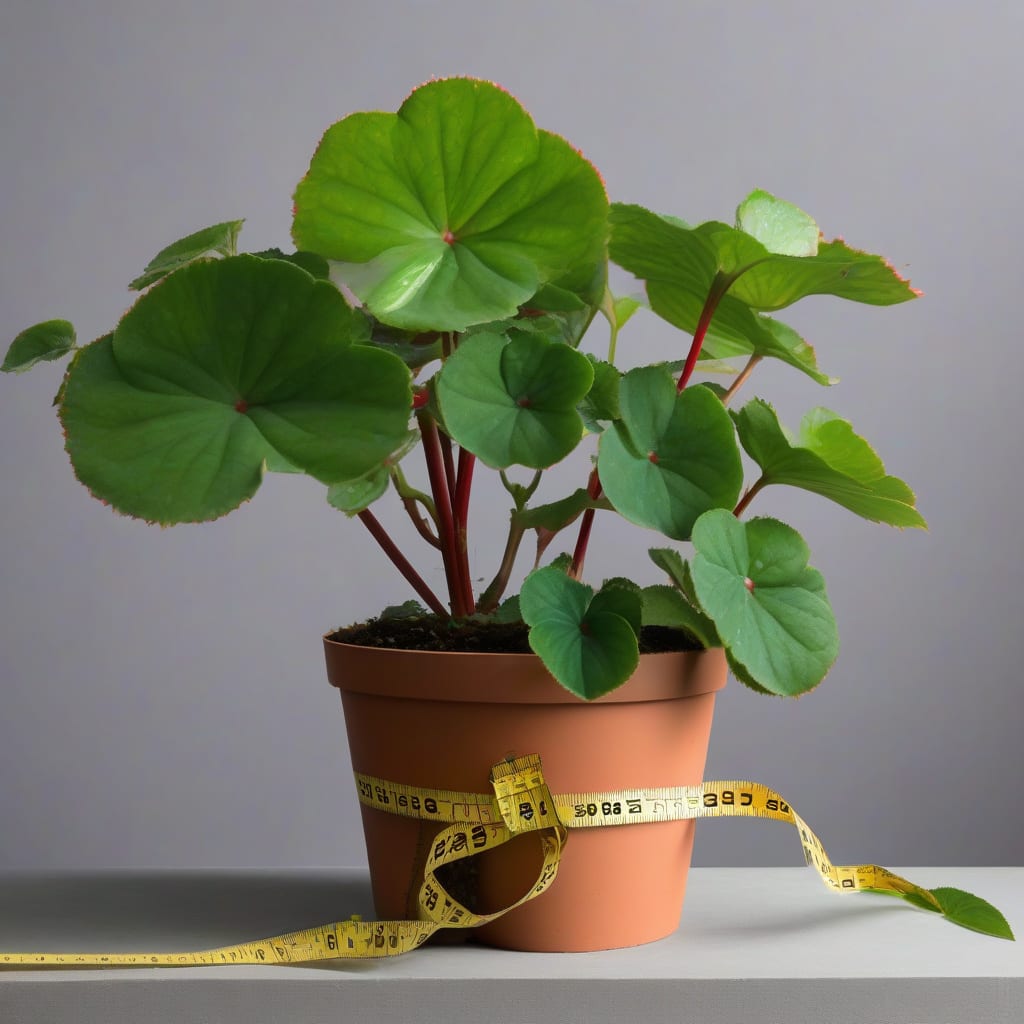
Begonia plants 🌺 can add beauty to any space, but their growth can be unpredictable. Understanding how tall they can grow helps you plan your garden or indoor arrangement perfectly.
Factors like light, water, and nutrients play a crucial role in determining their height. Let’s explore what influences their growth and how tall different begonia species can get.

1-2 ft

2-4 ft

3-6 ft

3-6 ft
Begonia plants are known for their beautiful foliage and vibrant blooms, but their height can vary significantly based on several factors. Understanding these factors is crucial for gardeners who want to optimize the growth of their begonia plants.
The height of begonia plants can be influenced by environmental conditions such as light exposure, watering practices, and soil quality. Additionally, factors like temperature and fertilization play a significant role in determining how tall a begonia plant will grow 🌟.
By understanding and controlling these factors, gardeners can influence the height of their begonia plants. For example, providing the right amount of light and maintaining optimal watering practices can help achieve the desired height 🌿.
The specific begonia variety also plays a crucial role in determining its potential height. Different types of begonias have varying growth habits, ranging from compact varieties to taller, more vigorous types.
Cane begonias, for instance, can grow quite tall, often reaching heights of 3 to 6 feet. In contrast, rex begonias are generally more compact, typically growing to be around 1 to 2 feet tall 🌱.
Understanding these factors and choosing the right begonia variety can help gardeners achieve their desired plant height. Proper care and maintenance are key to maximizing growth potential.
Regular pruning and staking can also help manage the height of begonia plants. By removing leggy growth and providing support, gardeners can maintain a more compact, bushy shape 🌼.
In conclusion, the height of begonia plants is influenced by a combination of environmental factors and care practices. By optimizing these conditions and selecting the appropriate variety, gardeners can achieve their desired plant height and enjoy the beauty of their begonias.
Begonia plants can add beauty to any space, and understanding their growth habits is crucial for optimal placement. With proper care, begonias can thrive and reach their full potential 🌺.
Begonia plants come in various types, each with its unique characteristics and growth habits. Understanding the average height range for different begonia varieties is essential for gardeners who want to plan their garden or indoor space effectively 🌿.
The height of begonia plants can vary significantly depending on the specific variety. Cane begonias are known for their tall, upright growth, often reaching heights of 3 to 6 feet. These begonias have bamboo-like stems that can grow quite tall, making them ideal for adding height to a garden or indoor space 🌺.
Rhizomatous begonias, on the other hand, tend to be lower-growing, typically reaching heights of 1 to 3 feet. These begonias have a spreading habit and are often used as ground cover or in hanging baskets. Their low-growing nature makes them perfect for adding foliage to areas where height isn’t desired 🌱.
Rex begonias are another popular variety, known for their stunning foliage. These begonias are generally compact, growing to heights of 1 to 2 feet. Their compact growth habit makes them ideal for indoor pots or shaded garden areas where their beautiful leaves can be showcased 🌿.
Tuberous begonias are known for their large, showy flowers and can grow to heights of 2 to 4 feet. These begonias have an upright growth habit and are often used in garden beds or containers where their flowers can be appreciated 🌼.
Understanding the average height range for different begonia types allows gardeners to plan their garden or indoor space more effectively. By selecting the right begonia variety for the desired height, gardeners can create beautiful displays that meet their specific needs 🌺.
When choosing begonias, it’s also important to consider factors like light, water, and soil quality, as these can impact the plant’s overall height and health. Proper care can help ensure that begonias reach their full potential height and thrive in their environment 🌱.
Managing begonia plant height requires a combination of proper care techniques and understanding the specific needs of your begonia variety. By implementing these strategies, you can maintain the desired height and promote healthy growth 🌿.
Regular pruning helps maintain desired height and encourages bushy growth. Remove leggy stems and trim back overgrown branches to maintain shape.
Pruning is an effective way to control begonia height. By removing leggy stems and trimming back overgrown branches, you can maintain a more compact shape and encourage bushier growth 🌱.
Staking is another technique to manage begonia height, especially for taller varieties like cane begonias. Providing support helps keep the plant upright and prevents it from becoming too leggy or sprawling 🌼.
The growing conditions also play a significant role in managing begonia height. Ensuring your begonias receive the right amount of light, water, and nutrients can help them grow healthily and maintain their desired height 🌺.
For begonias grown indoors, rotating the plants regularly can help maintain even growth and prevent them from leaning towards the light source, which can affect their overall height and appearance.
By combining these techniques and tailoring your care to the specific needs of your begonias, you can effectively manage their height and enjoy a beautiful, thriving plant 🌻.
