
Beautiful Plants For Your Interior
Beautiful Plants For Your Interior
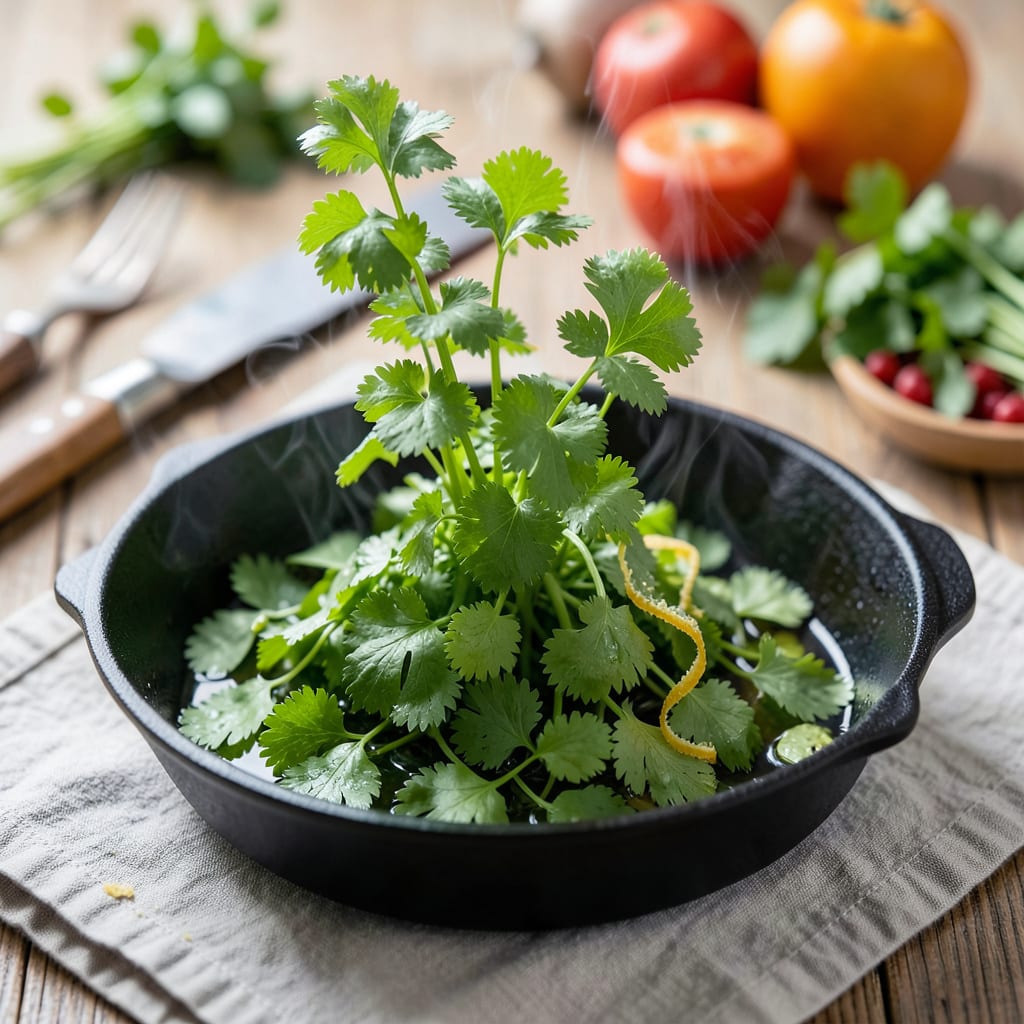
When growing Cilantro 🌿 in your garden, understanding its height is crucial for maximizing your harvest. Typically, Cilantro grows between 1-2 feet tall, making it a compact herb perfect for small spaces.
In USDA Zone 6, Cilantro thrives in early spring or late summer, reaching its full height in just 3-4 weeks after sowing. Proper care and conditions can help you achieve optimal growth and enjoy a bountiful harvest.


Cilantro is a fast-growing herb that typically reaches heights between 1-2 feet. Its growth is influenced by various factors including soil quality, sunlight exposure, watering practices, and temperature conditions 🌿.
Understanding these factors is crucial for gardeners who want to maximize their cilantro harvest. The height of cilantro can significantly impact its yield and overall health.
The ideal growing conditions for cilantro include well-draining soil and adequate sunlight. When these conditions are met, cilantro can grow rapidly, reaching its full height within a few weeks 🌱.
Soil quality plays a significant role in determining the height of cilantro. Soil that is rich in organic matter and has good drainage will support healthier and taller plants.
Sunlight exposure is another critical factor. Cilantro requires at least 4-6 hours of direct sunlight per day to grow optimally. Insufficient sunlight can lead to leggy growth and reduced yields.
Watering practices also affect cilantro height. Consistent moisture is key, as drought stress can cause the plant to bolt prematurely, reducing its height and quality.
Temperature conditions are equally important. Cilantro is a cool-season crop that thrives in temperatures between 50-85°F. Extreme temperatures can negatively impact its growth and height.
By understanding and managing these factors, gardeners can optimize the growth of their cilantro plants, ensuring they reach their full height potential and produce a bountiful harvest 🌿.
In summary, the height of cilantro is influenced by a combination of factors including soil quality, sunlight exposure, watering practices, and temperature conditions. By providing optimal growing conditions, gardeners can maximize their cilantro harvest.
Cilantro’s growth pattern is characterized by its rapid development and sensitivity to environmental conditions. Gardeners should be aware of these factors to manage their cilantro crop effectively.
Effective management of cilantro height involves a combination of good gardening practices, including proper soil preparation, adequate sunlight, consistent watering, and maintaining optimal temperatures.
By following these guidelines, gardeners can enjoy a healthy and productive cilantro crop, with plants reaching their optimal height and yielding fresh, flavorful leaves 🌿.
Managing cilantro height is crucial for achieving an optimal harvest. Cilantro typically grows between 1-2 feet tall, and its height can be influenced by various factors 🌿.
To maximize your cilantro harvest, it’s essential to understand how to control its height. Proper management techniques can help prevent bolting and ensure a bountiful yield.
Regular pruning and succession planting can help maintain optimal cilantro height and prevent premature bolting 🌱.
One effective way to manage cilantro height is through regular pruning. By harvesting the leaves regularly, you can encourage bushy growth and prevent the plant from flowering too quickly.
Succession planting is another technique that can help maintain optimal cilantro height. By sowing seeds every 1-2 weeks, you can ensure a continuous supply of fresh cilantro leaves.
Sowing density also plays a role in managing cilantro height. Sowing seeds too close together can lead to overcrowding, which can cause the plants to become leggy and bolt prematurely.
To avoid this, sow seeds 1-2 inches apart to give them enough space to grow. This will help promote healthy growth and prevent the plants from becoming too tall.
In addition to these techniques, maintaining optimal growing conditions can also help manage cilantro height. This includes providing adequate sunlight, consistent moisture, and cooler temperatures.
By following these tips, you can enjoy a healthy and productive cilantro crop, with plants reaching their optimal height and yielding fresh, flavorful leaves 🌿.
Effective cilantro height management requires a combination of good gardening practices and attention to detail. By understanding the factors that influence cilantro height, you can take steps to optimize its growth and maximize your harvest.
With proper care and management, cilantro can be a rewarding and productive crop, providing fresh leaves for salads, cooking, and other culinary uses 🌿.
Cilantro height can vary significantly based on the specific cultivar and growing conditions. Different varieties of cilantro have distinct growth patterns and height potentials 🌿.
Understanding these variations is essential for gardeners who want to optimize their cilantro harvest. By selecting the right cultivar and providing optimal growing conditions, gardeners can maximize their yield.
The height of cilantro can be influenced by factors such as soil quality, sunlight exposure, and watering practices. By understanding these factors, gardeners can optimize the growth of their cilantro plants 🌿.
Slow-bolting cultivars are particularly useful for extending the harvest period. These varieties tend to grow more slowly and are less likely to bolt prematurely, allowing for a longer harvest window.
When selecting a cilantro cultivar, consider factors such as height potential, bolting resistance, and days to maturity. This will help you choose the best variety for your specific needs and growing conditions.
By understanding the different cilantro cultivars and their growth characteristics, gardeners can make informed decisions about which varieties to grow and how to manage them for optimal height and yield 🌿.
