
Beautiful Plants For Your Interior
Beautiful Plants For Your Interior
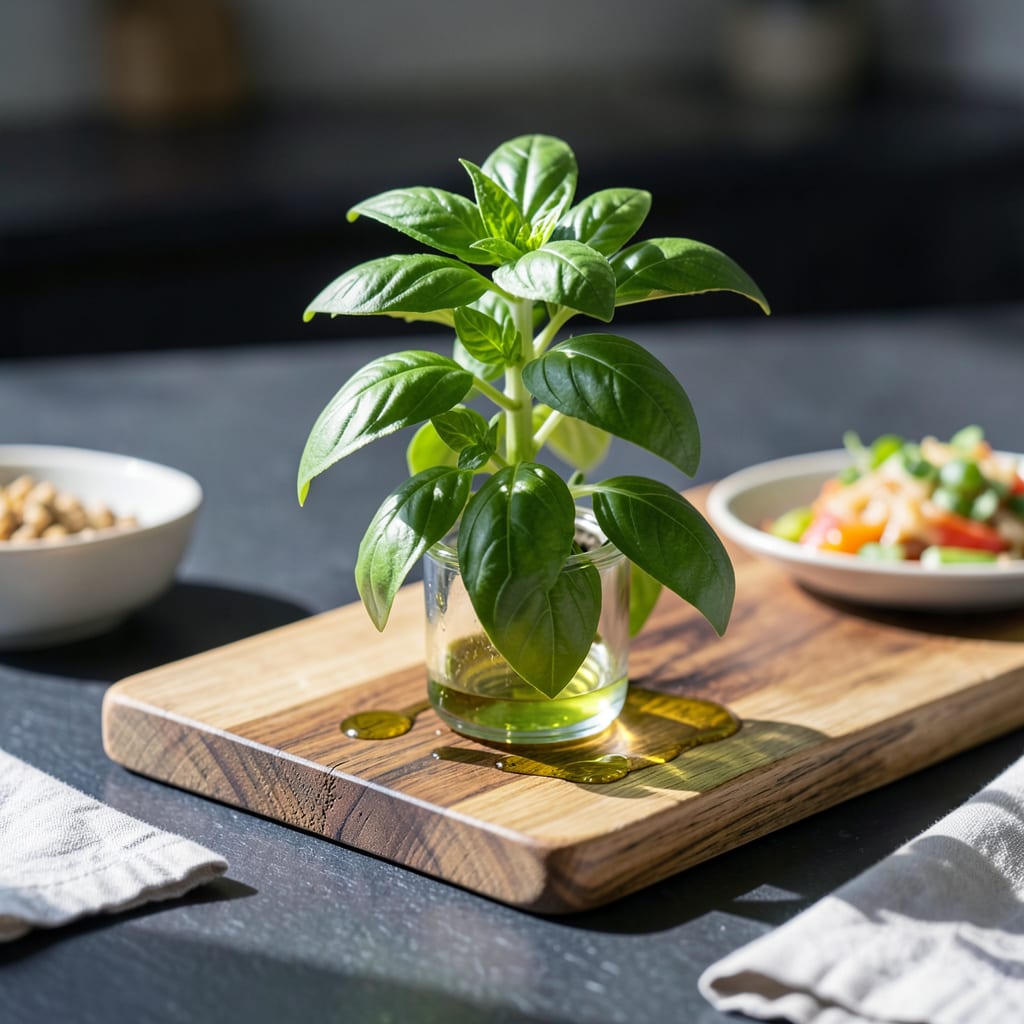
I’ve grown Basil 🌿 in my garden for years, and I’m always amazed by its growth potential. Understanding how tall it can grow helps me plan my harvest and maximize my yield.
In USDA Zone 6, Basil typically grows between 1-3 feet tall, depending on the variety and growing conditions. With proper care, you can encourage healthy growth and enjoy a bountiful harvest.


Basil is one of the most popular herbs to grow at home, and understanding its growth potential is key to maximizing your harvest. The height of basil plants can vary significantly based on several factors.
The maximum height of basil plants typically ranges between 1-3 feet, with some varieties growing taller than others. Factors such as variety, growing conditions, and pruning practices all play a crucial role in determining the final height of your basil plants 🌿.
For example, Genovese basil tends to grow more compactly, while Thai basil can reach taller heights. Understanding these differences helps you choose the right variety for your needs.
Light is a critical factor in basil growth. Plants receiving 6+ hours of direct sunlight daily tend to grow more robustly and reach their maximum potential height. Temperature also plays a significant role, with optimal growth occurring between 65-75°F (18-24°C).
Soil quality is another essential factor. Basil prefers well-draining soil rich in organic matter. Proper fertilization can also promote healthy growth, with a balanced fertilizer (10-10-10 NPK) being ideal.
Pruning is a crucial practice for managing basil height. Regularly pinching off flower buds encourages the plant to focus its energy on leaf production rather than flowering, resulting in a bushier, more productive plant.
Watering consistently is vital for healthy basil growth. The soil should be kept consistently moist but not waterlogged. Overwatering can lead to root rot and other issues.
In USDA Zone 6, basil is typically planted after the last frost, around May 15. The ideal months for basil growth are June, July, and August, when temperatures are warm and sunlight is abundant.
To maximize height, it’s essential to provide basil with the right conditions and care. By understanding the factors that affect basil growth, you can take steps to encourage your plants to reach their full potential.
Regular monitoring and adjustment of growing conditions can help you achieve a bountiful harvest of fresh, flavorful basil throughout the growing season.
By following these guidelines and understanding the growth patterns of basil, you can enjoy a successful and productive growing experience 🌿.
Growing tall, healthy basil plants requires attention to several key factors. I’ve found that providing the right conditions and care can make all the difference in achieving a bountiful harvest.
First, let’s look at the essential elements for growing tall basil. Here are the top factors that contribute to healthy growth:
Basil prefers well-draining soil rich in organic matter. Using compost or well-rotted manure can improve soil quality and promote healthy growth.
Keep the soil consistently moist but not waterlogged. Watering in the morning allows plants to dry out slightly before nightfall, reducing the risk of disease.
Basil needs 6+ hours of direct sunlight daily to grow robustly. Choose a location that receives full sun for optimal growth.
Feed your basil plants with a balanced fertilizer (10-10-10 NPK) every 4-6 weeks. This promotes healthy growth and maximizes yield.
By following these tips, you can encourage your basil plants to grow tall and healthy. Regular monitoring and adjustment of growing conditions can help you achieve a bountiful harvest of fresh, flavorful basil throughout the growing season 🌿.
To further support healthy growth, consider the following additional tips:
Pruning practices play a crucial role in managing basil height. Regularly pinching off flower buds encourages the plant to focus its energy on leaf production rather than flowering, resulting in a bushier, more productive plant.
Maintaining consistent moisture levels is vital for healthy basil growth. Avoid overwatering, which can lead to root rot and other issues.
In USDA Zone 6, basil is typically planted after the last frost, around May 15. The ideal months for basil growth are June, July, and August, when temperatures are warm and sunlight is abundant 🌞.
By understanding the factors that affect basil growth and following these guidelines, you can enjoy a successful and productive growing experience.
When growing basil, I’ve found that certain common mistakes can significantly limit plant height and overall health. Understanding these pitfalls is crucial for maximizing your harvest.
Over-pruning, poor soil conditions, and insufficient light are common errors that can limit basil growth. By being aware of these mistakes, you can take steps to correct them and promote healthy growth.
Over-pruning is a frequent mistake that can stunt basil growth. While pruning is essential for encouraging bushy growth, removing too much foliage at once can stress the plant and limit its height.
Poor soil conditions, such as heavy clay or sandy soil, can also affect basil growth. Basil prefers well-draining soil rich in organic matter, so amending your soil with compost can help improve its quality.
Insufficient light is another common issue. Basil needs 6+ hours of direct sunlight daily to grow robustly. If your plants are not receiving enough light, consider relocating them to a sunnier spot or supplementing with grow lights.
By avoiding these common mistakes and providing your basil plants with the right conditions and care, you can encourage them to reach their full potential height and enjoy a bountiful harvest 🌿.
Regular monitoring and adjustment of growing conditions can help you identify and correct any issues before they become major problems.
With proper care and attention, you can grow healthy, productive basil plants that provide fresh flavor throughout the growing season.
