
Beautiful Plants For Your Interior
Beautiful Plants For Your Interior
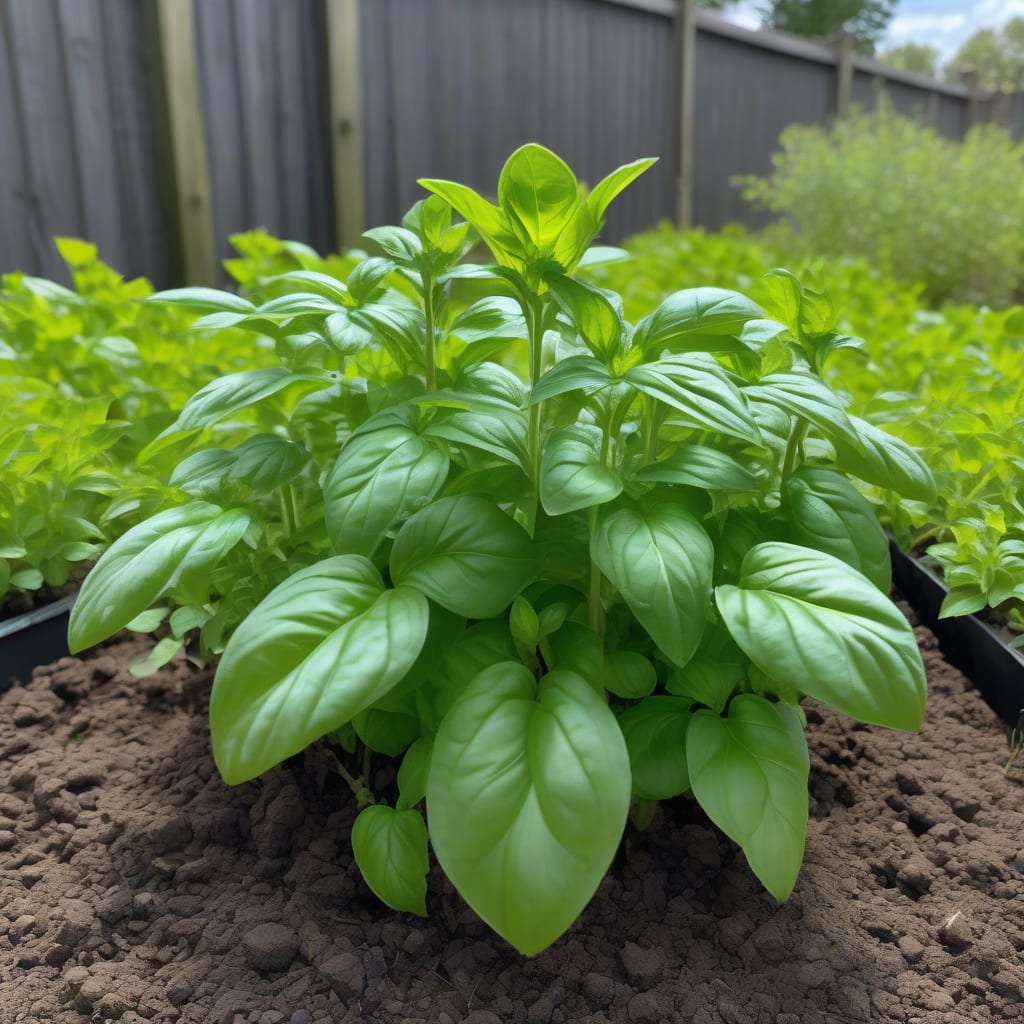
I’ve grown Basil 🌿 in my garden for years, and I’m always amazed at how tall it can get. Depending on the variety and growing conditions, Basil plants can reach anywhere from 1 to 3 feet in height.
In USDA Zone 6, where I garden, Basil thrives in the warm summer months. To maximize its growth potential, it’s essential to provide the right conditions, including plenty of sunlight and well-draining soil. Let’s dive into the factors that affect Basil’s height and how to optimize them.

1-2 ft

2-3 ft

2-3 ft

2-3 ft
When growing Basil, understanding the factors that influence its height is crucial for maximizing your harvest. Several key elements contribute to how tall your Basil plants will grow 🌿.
The variety of Basil you’re growing plays a significant role in determining its height. Some varieties, like Genovese or Sweet Basil, tend to grow taller than others, reaching heights of 2-3 feet. In contrast, compact varieties like Thai Basil or Dwarf Basil typically top out at around 1-2 feet 🔥.
The growing conditions significantly impact Basil’s height. Temperature is another critical factor; Basil thrives in warm temperatures between 65°F to 75°F (18°C to 24°C). Higher temperatures can cause the soil to dry out faster, requiring more frequent watering 🌟.
Pruning practices also affect Basil’s height. Regularly pinching off flower buds encourages the plant to focus its energy on leaf production rather than flowering, which can help maintain a bushy shape and promote healthier growth 🌱.
In addition to these factors, the overall health of the plant is vital. Pest control and disease prevention measures are essential to prevent damage that could stunt the plant’s growth. Regular monitoring and appropriate action can help maintain the plant’s health and maximize its height 🔍.
By understanding and optimizing these factors, you can create an ideal environment for your Basil plants to grow tall and healthy, ensuring a bountiful harvest 🌿.
The height of Basil plants can vary significantly based on the factors discussed. By providing optimal growing conditions and proper care, you can encourage your Basil plants to reach their full potential height 🔝.
To summarize, the key to growing tall and healthy Basil plants lies in understanding and managing the factors that affect their height. By doing so, you can enjoy a lush and productive Basil garden 🌻.
For more detailed information on growing Basil and other herbs, be sure to check out our comprehensive guides on herb gardening 📚.
To achieve optimal Basil height, it’s essential to provide the right growing conditions and proper care. I’ve found that with the right techniques, you can encourage your Basil plants to reach their full potential 🌿.
One of the most critical factors in maximizing Basil growth is pruning. Regularly pinching off flower buds encourages the plant to focus its energy on leaf production rather than flowering. This technique helps maintain a bushy shape and promotes healthier growth 🌱.
To maximize Basil height, ensure your plants receive adequate sunlight and maintain consistent moisture levels. Regular pruning and fertilization can also significantly impact growth.
In addition to pruning, fertilization plays a crucial role in promoting healthy Basil growth. A balanced fertilizer (10-10-10 NPK) applied every 2-3 weeks during the growing season can enhance growth and maximize height 🌟.
Soil quality is another important factor to consider. Basil thrives in well-draining soil with adequate nutrients. Ensuring your soil meets these conditions can help support healthy growth and maximize your Basil plant’s height 🌱.
By implementing these expert tips, you can create an ideal environment for your Basil plants to grow tall and healthy, ensuring a bountiful harvest 🌿.
Regular monitoring and maintenance are also essential to prevent pests and diseases that could stunt growth. By staying on top of these potential issues, you can help your Basil plants reach their full potential height 🔝.
For more detailed information on growing Basil and other herbs, be sure to check out our comprehensive guides on herb gardening 📚.
When growing Basil, it’s essential to avoid common mistakes that can stunt its growth. I’ve identified several pitfalls that can impact Basil’s height, and I’ll share some tips on how to avoid them 🌿.
One of the most significant mistakes is overwatering. Basil prefers well-draining soil and can be susceptible to root rot if the soil is too wet. To avoid this, ensure your soil drains properly and avoid watering too frequently 💧.
Be cautious of overwatering and poor soil quality, as these can significantly stunt Basil growth. Regularly inspect your plants for signs of stress.
Insufficient sunlight is another common mistake. Basil needs 6+ hours of direct sunlight daily to grow tall and healthy. If your Basil is not receiving enough sunlight, consider relocating it to a sunnier spot 🌞.
Poor soil quality can also impact Basil’s growth. Ensure your soil has adequate nutrients and is well-draining. Adding organic matter like compost can help improve soil quality 🌱.
By avoiding these common mistakes, you can create an ideal environment for your Basil plants to grow tall and healthy, ensuring a bountiful harvest 🌿.
For more detailed information on growing Basil and other herbs, be sure to check out our comprehensive guides on herb gardening 📚.
