
Beautiful Plants For Your Interior
Beautiful Plants For Your Interior
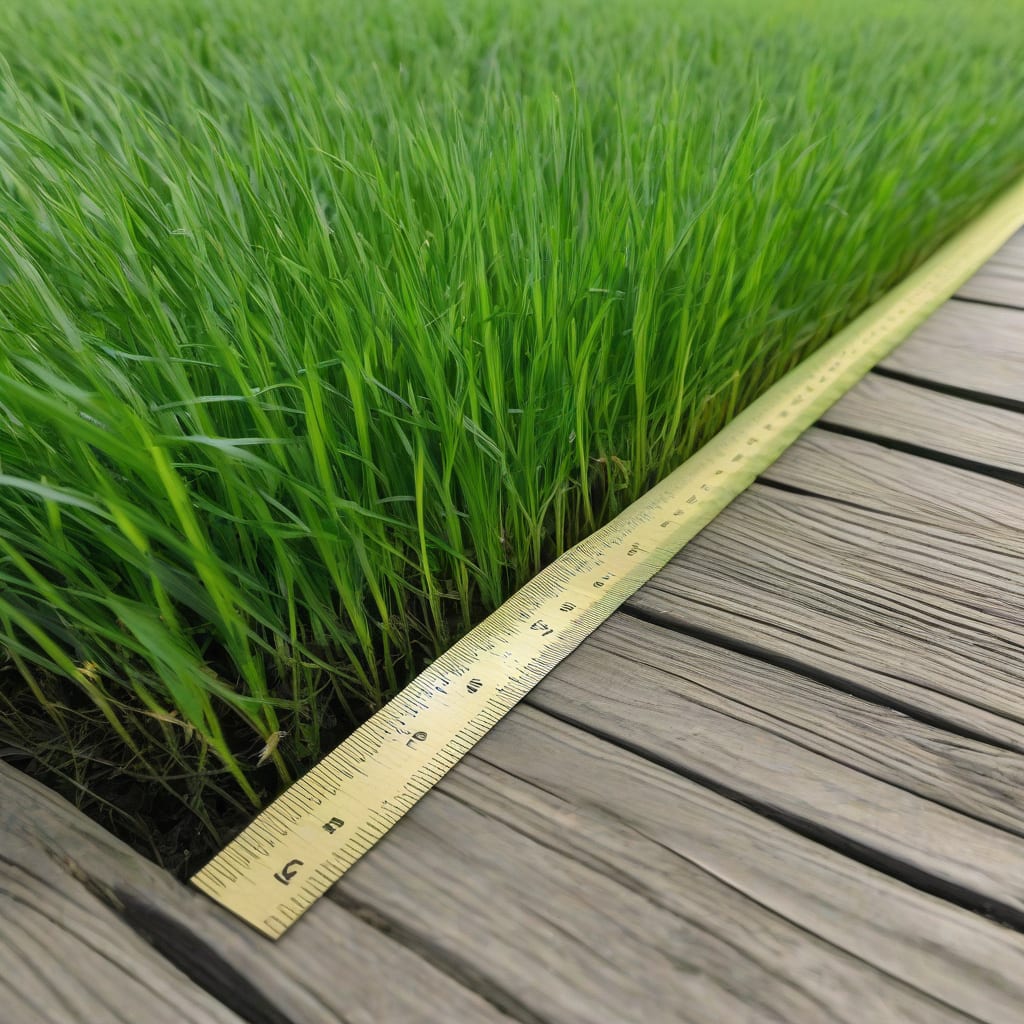
I’ve always been fascinated by how different grass types grow, and Kentucky bluegrass 🌿 is particularly interesting. As a popular cool-season grass, it brings a beautiful dark green color to many lawns.
Understanding how tall Kentucky bluegrass grows is crucial for proper lawn management. Let’s explore its growth habits and height expectations to help you maintain a healthy, vibrant lawn in your General area within USDA Zone 6a.
Kentucky bluegrass is a popular cool-season grass known for its dark green color and fine texture. Understanding its growth habits is crucial for proper lawn management 🌿.
The typical height range for Kentucky bluegrass is between 2 to 3 feet when allowed to grow naturally. However, for most lawns, it’s maintained at a much shorter height through regular mowing.
The growth pattern of Kentucky bluegrass is influenced by factors such as soil quality, sunlight, and watering practices. Understanding these factors is key to managing your Kentucky bluegrass effectively.
In USDA Zone 6a, where the last frost is around April 15 and the first frost is around October 15, Kentucky bluegrass thrives during the cooler seasons. It’s essential to adjust your lawn care practices accordingly to maintain optimal height and health.
For Kentucky bluegrass, the ideal months for planting are September, October, March, and April. During these periods, the grass is actively growing, and proper mowing practices can help achieve the desired height.
Maintaining the right mowing height is critical. For most Kentucky bluegrass lawns, a height of 2 to 3 inches is recommended. This height helps the grass develop a strong root system and withstands environmental stresses better.
It’s also important to consider the growth rate of Kentucky bluegrass. During the growing season, it may require mowing every 7-10 days to maintain the optimal height.
Fertilization plays a role in the growth and height of Kentucky bluegrass. A balanced fertilizer (10-10-10 NPK) applied every 4-6 weeks during the growing season can support healthy growth.
Watering practices also affect the height and overall health of Kentucky bluegrass. It’s recommended to water deeply but infrequently to encourage deep root growth. Typically, 1 inch of water per week is sufficient, either from rainfall or irrigation.
Kentucky bluegrass prefers full sun to partial shade, with at least 6 hours of direct sunlight per day. Adequate sunlight supports healthy growth and helps maintain the desired height.
In summary, managing the height of Kentucky bluegrass involves understanding its growth characteristics, maintaining appropriate mowing practices, and providing optimal growing conditions through proper fertilization, watering, and sunlight exposure 🌿.
By following these guidelines, you can keep your Kentucky bluegrass lawn healthy, vibrant, and at the desired height throughout the growing seasons.
Maintaining the optimal height of Kentucky bluegrass is crucial for a healthy and vibrant lawn 🌿. Proper mowing practices play a significant role in achieving this.
The recommended mowing height for Kentucky bluegrass is between 2 to 3 inches. This height helps the grass develop a strong root system and enhances its ability to withstand environmental stresses.
Adjust your mower blade to maintain the grass at 2-3 inches height. This promotes deep root growth and helps the grass stay healthy.
Mow your lawn every 7-10 days during the active growing periods in spring and fall. This frequency helps maintain the optimal height and encourages even growth.
Ensure your mower blade is sharp to prevent tearing the grass. A clean cut helps the grass heal quickly and reduces stress on the lawn.
By following these mowing and maintenance tips, you can keep your Kentucky bluegrass lawn at the optimal height, promoting a lush, healthy appearance throughout the growing season 🌿.
Regular mowing not only maintains the aesthetic appeal of your lawn but also contributes to the overall health of the grass. Proper mowing practices help in preventing weed invasion and reducing the risk of disease.
It’s also beneficial to leave the clippings on the lawn after mowing, as they act as a natural fertilizer, returning nutrients to the soil and supporting the health of your Kentucky bluegrass.
Consistent maintenance, including appropriate mowing height and frequency, is key to enjoying a vibrant and resilient Kentucky bluegrass lawn.
Understanding the factors that influence Kentucky bluegrass height is essential for maintaining a healthy and vibrant lawn 🌿. Several environmental and cultural factors play a significant role in determining the growth rate and height of Kentucky bluegrass.
Kentucky bluegrass growth is significantly influenced by soil quality, sunlight exposure, and watering practices. Maintaining optimal conditions for these factors can help achieve the desired height and health for your lawn.
Soil quality is a critical factor affecting Kentucky bluegrass height. The grass thrives in well-draining soils with a pH between 6.0 and 7.0. Ensuring your soil has the right balance of nutrients is vital for healthy growth.
Sunlight exposure also plays a crucial role. Kentucky bluegrass prefers full sun to partial shade, requiring at least 6 hours of direct sunlight per day. Adequate sunlight promotes healthy growth and helps maintain the desired height 🌞.
Watering practices are another important factor. Kentucky bluegrass needs consistent moisture, especially during establishment. Watering deeply but infrequently encourages deep root growth, which is essential for maintaining healthy height and overall lawn resilience 💧.
By understanding and managing these factors, you can create an optimal environment for your Kentucky bluegrass to thrive, achieving the desired height and maintaining a lush, vibrant lawn throughout the growing seasons 🌿.

