
Beautiful Plants For Your Interior
Beautiful Plants For Your Interior
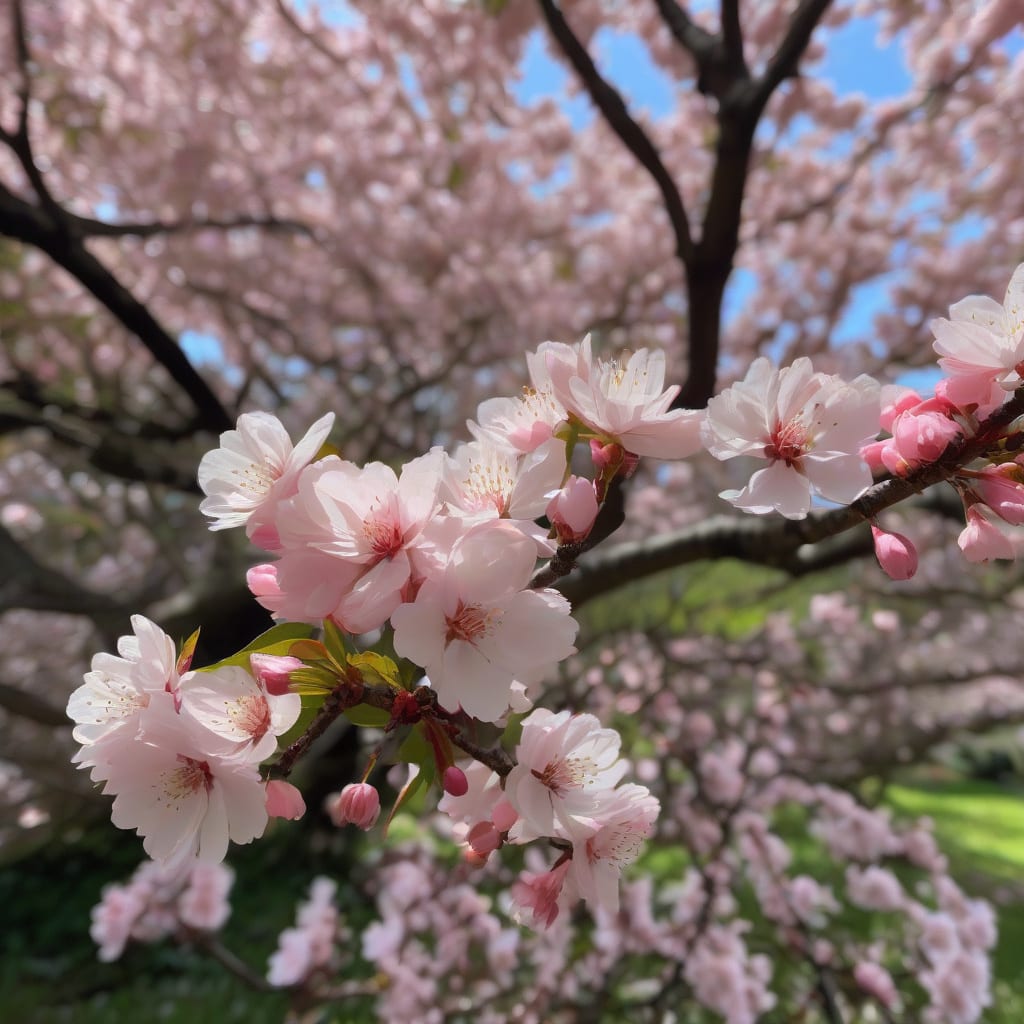
When planning your garden, understanding the growth potential of your Cherry Blossom Tree 🌸 is essential. These beautiful trees can add stunning beauty to any landscape, but their height can vary based on several factors.
I will guide you through what to expect in terms of height, growth rate, and the factors that can influence the size of your Cherry Blossom Tree in USDA Zone 6, helping you make informed decisions for your garden.


Cherry blossom trees are known for their stunning beauty and can grow to varying heights depending on the species and cultivar. On average, a mature cherry blossom tree can reach heights between 15 to 25 feet. Some dwarf varieties may only grow to 8 to 12 feet, while others can reach up to 30 feet or more in ideal conditions 🌸.
The growth rate of cherry blossom trees can vary, but they generally grow at a moderate pace of about 1 to 2 feet per year. Factors such as soil quality, sunlight, and watering can significantly impact the tree’s growth and final height. Ensuring your tree receives full sun and is planted in well-draining soil can help maximize your your your soil quality to promote healthy growth 🌿.
When planning your garden, consider the space available and how the mature size of your cherry blossom tree will fit into your landscape. Dwarf varieties are ideal for smaller gardens or container planting, while standard or semi-dwarf trees can be suitable for larger landscapes where they have room to grow.
The growth habit of cherry blossom trees is another important consideration. They typically have a rounded or vase-shaped crown, which can provide beautiful shade and aesthetic appeal when in bloom. Regular pruning can help maintain a desired shape and promote healthy growth by removing any dead or diseased branches.
By understanding the average height expectations and growth factors for cherry blossom trees, you can make more informed decisions about which variety to plant and how to care for it. Whether you’re looking for a compact tree for a small garden or a larger specimen for a spacious yard, there’s a cherry blossom tree to suit your needs 🌸.
Cherry blossom trees not only add beauty to your garden but also provide seasonal interest throughout the year. In spring, they burst into bloom with stunning flowers; in summer, they provide shade; in autumn, their leaves change color; and in winter, their structure adds interest to the landscape.
To maximize the growth potential of your cherry blossom tree, ensure it is planted in a location that receives adequate sunlight and is protected from harsh winds. Regular watering during dry spells and annual fertilization can also support healthy growth and maximize the tree’s height potential.
By providing the right conditions and care, your cherry blossom tree can thrive and become a beautiful focal point in your garden. With proper planning and maintenance, you can enjoy the beauty and benefits of these magnificent trees for years to come 🌟.
Understanding the factors that influence the height growth of cherry blossom trees is crucial for effective garden planning and tree care. Several key elements can significantly impact how tall your cherry blossom tree will grow 🌳.
The soil quality plays a vital role in determining the height of your cherry blossom tree. Trees planted in well-draining soil with a balanced pH tend to grow more robustly. Ensuring the soil is rich in organic matter and nutrients can promote healthy growth and maximize the tree’s height potential 🌿.
The height of cherry blossom trees is influenced by factors such as soil quality, sunlight, watering, and pruning practices. Ensuring optimal conditions can help maximize growth.
Sunlight is another critical factor affecting the growth of cherry blossom trees. These trees thrive in full sun, requiring at least six hours of direct sunlight daily. Adequate sunlight not only promotes healthy growth but also encourages abundant blooming, enhancing the tree’s beauty 🌻.
Watering practices are also essential in determining the height of your cherry blossom tree. Consistent moisture, especially during the tree’s early years, is vital. However, it’s equally important to avoid overwatering, which can lead to root rot and other issues. A deep watering schedule during dry spells can support healthy growth 💧.
The climate and environmental conditions in your area can also impact the growth of your cherry blossom tree. Trees in USDA Zone 6 typically thrive, but protection from harsh winds and extreme temperatures can help maintain their health and promote optimal growth.
Pruning practices play a significant role in managing the height and shape of cherry blossom trees. Regular pruning can help maintain a desired height and promote a healthy structure by removing any dead or diseased branches. Pruning should be done during the tree’s dormant season to minimize stress and encourage vigorous growth in the spring 🌸.
By understanding and managing these factors, you can create an optimal environment for your cherry blossom tree to thrive. Proper care and attention to these details will help ensure your tree reaches its full height potential and remains a beautiful addition to your garden for years to come 🌟.
Regular monitoring of your tree’s health and growth is essential. By keeping an eye on how your tree responds to its environment and care, you can make adjustments as needed to support its development and maximize its growth potential 📈.
Pruning is a crucial maintenance practice for managing the height and shape of your cherry blossom tree. Proper pruning techniques can help maintain a desired height while promoting healthy growth and enhancing the tree’s natural beauty 🌸.
Prune your cherry blossom tree during its dormant season, typically in late winter or early spring, to minimize stress and encourage vigorous growth.
Start by removing any dead, diseased, or damaged branches to prevent the spread of disease and encourage healthy growth.
Thin out crowded branches to improve air circulation and allow sunlight to penetrate the tree’s canopy, promoting overall health.
Selectively prune branches to maintain the desired shape and height of your cherry blossom tree, making clean cuts just above a bud or lateral branch.
Regular pruning not only helps manage the tree’s height but also enhances its aesthetic appeal and promotes abundant blooming. By following these steps, you can keep your cherry blossom tree healthy and beautiful for years to come 🌟.
It’s essential to use proper pruning tools and techniques to avoid damaging the tree. Make sure your tools are sharp and clean to prevent spreading diseases. If you’re unsure about how to prune your tree, consider consulting a professional arborist for guidance.
By incorporating regular pruning into your tree care routine, you can enjoy the beauty and benefits of your cherry blossom tree while maintaining its health and desired height 🌸.
