
Beautiful Plants For Your Interior
Beautiful Plants For Your Interior
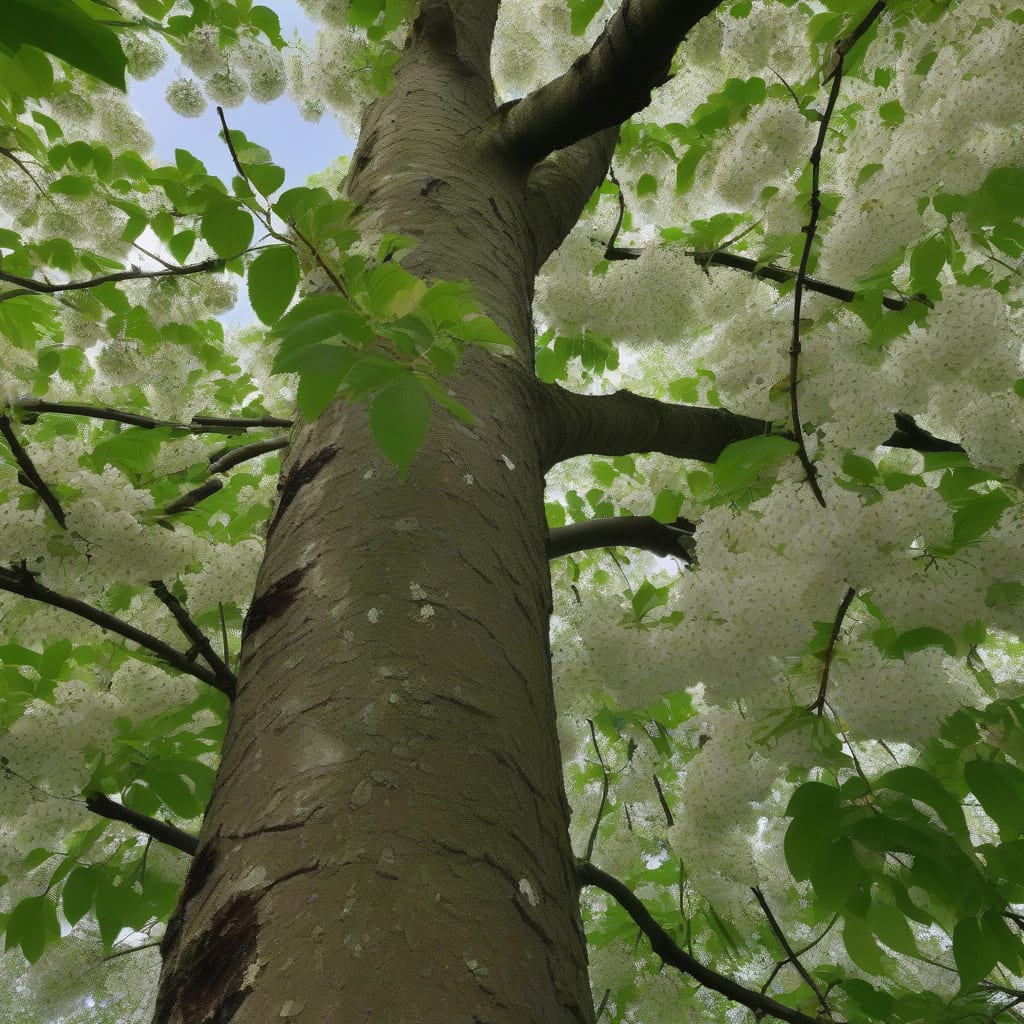
Growing a Cherry Tree 🍒 can be a rewarding experience, but understanding its growth potential is crucial for proper garden planning. In USDA Zone 6, these trees can thrive with proper care.
The height of a Cherry Tree varies significantly based on factors like tree variety and growing conditions. Let’s explore what you can expect and how to manage your tree’s growth effectively.

Understanding the factors that influence cherry tree height is crucial for gardeners who want to optimize their tree’s growth. Several key elements play a significant role in determining how tall a cherry tree will grow, including the tree variety, soil quality, climate conditions, and proper care.
The cherry tree variety is one of the most significant factors affecting height. Dwarf cherry trees are bred to be compact and typically grow between 8-12 feet tall, making them ideal for smaller gardens or container. In contrast, standard varieties can reach 20-25 feet or more and require more space and maintenance. The soil quality is another crucial factor, as cherry trees prefer well-drained soil with a pH between 6.0 and 7.0. Poor soil conditions can limit root development and overall tree health, ultimately affecting the tree’s height and productivity.
Climate conditions also play a significant role in cherry tree growth. These trees thrive in USDA zones 5-9, where they receive adequate chill hours and are protected from extreme temperatures. Frost damage during bloom or early growth stages can significantly impact the tree’s ability to grow tall and produce fruit. Proper care, including regular watering, fertilization, and pruning, is essential for maximizing growth potential and maintaining a healthy, vigorous tree.
By understanding these factors, gardeners can make informed decisions about which cherry tree variety to plant and how to care for it to achieve optimal height and overall health. 🌳
The growth rate of cherry trees varies depending on the variety and growing conditions. On average, cherry trees can grow 1-2 feet per year during their early years. However, this rate slows as the tree matures. Proper care, including regular pruning and fertilization, can help maintain a healthy growth rate and ensure the tree reaches its full potential height.
Pruning is a critical aspect of managing cherry tree height. By pruning regularly, gardeners can control the tree’s size, promote healthy growth, and encourage fruit production. Pruning should be done annually, typically during the dormant season, to remove dead or diseased branches and shape the tree.
In addition to pruning, fertilization plays a vital role in promoting healthy growth. Cherry trees benefit from a balanced fertilizer applied in early spring. This helps provide essential nutrients that support growth and fruit production.
Overall, understanding the factors that affect cherry tree height and implementing proper care practices can help gardeners achieve their desired tree size and enjoy a bountiful harvest of delicious cherries.
By considering the tree variety, soil quality, climate conditions, and proper care, gardeners can optimize their cherry tree’s growth and enjoy a beautiful and productive tree for years to come.
Regular monitoring and maintenance are key to ensuring the tree remains healthy and thrives. This includes checking for pests and diseases, providing adequate water, and adjusting care practices as needed based on the tree’s response to its environment.
With the right combination of factors and care, cherry trees can grow to their full potential and provide a stunning addition to any garden.
Cherry trees come in various types, each with its own growth characteristics. Understanding these differences is essential for gardeners to make informed decisions about which variety to plant.
The height of cherry trees varies significantly based on the specific variety. Sweet cherry trees are known for their larger size, typically growing between 20-25 feet tall. These trees often require a pollinator to produce fruit and are popular for their sweet cherries. In contrast, sour cherry trees are generally smaller, reaching heights of 15-20 feet. They are self-fertile and produce tart fruit that is excellent for baking and cooking.
Dwarf cherry trees are a popular choice for gardeners with limited space. These compact trees grow to be 8-12 feet tall, making them ideal for small gardens or even container gardening. Despite their smaller size, dwarf cherry trees can still produce a significant amount of fruit.
When selecting a cherry tree variety, it’s essential to consider the mature height to ensure it fits within your available space. Proper planning helps prevent overcrowding and allows for better air circulation, which can reduce the risk of disease.
Understanding the growth habits of different cherry tree types helps gardeners make informed decisions about tree placement and care. By choosing the right variety for your space and providing appropriate care, you can enjoy a healthy and productive cherry tree.
Regular pruning is crucial for maintaining the desired height and promoting healthy growth. Pruning techniques can vary depending on the tree type, so it’s essential to learn the specific needs of your cherry tree variety.
By considering factors like tree variety and mature height, gardeners can create a well-planned garden that maximizes space and productivity. Whether you choose a sweet, sour, or dwarf cherry tree, understanding its growth potential is key to successful cultivation.
With proper care and maintenance, cherry trees can thrive and provide beautiful blossoms and delicious fruit for years to come.
Managing cherry tree height through pruning is essential for maintaining a healthy and productive tree. Regular pruning helps control the tree’s size, promotes healthy growth, and encourages fruit production.
Prune your cherry tree every year during the dormant season to remove dead or diseased branches and shape the tree.
Identify and remove any dead or diseased branches to prevent disease spread and promote healthy growth.
Thin out the center of the tree to allow better air circulation and sunlight penetration, promoting healthy growth and fruit production.
By following these pruning tips, you can effectively manage your cherry tree’s height and maintain its overall health. Regular pruning is key to ensuring your tree remains productive and continues to thrive. 🌳
Pruning techniques may vary depending on the specific cherry tree variety. For example, dwarf cherry trees require less pruning compared to standard varieties. Understanding the unique needs of your tree will help you prune more effectively.
In addition to controlling height, pruning also helps in promoting fruit production. By removing dead or diseased branches, you allow the tree to focus its energy on producing healthy fruit.
Overall, annual pruning is a crucial aspect of cherry tree care. It not only helps in managing the tree’s height but also contributes to its overall health and productivity.
