
Beautiful Plants For Your Interior
Beautiful Plants For Your Interior
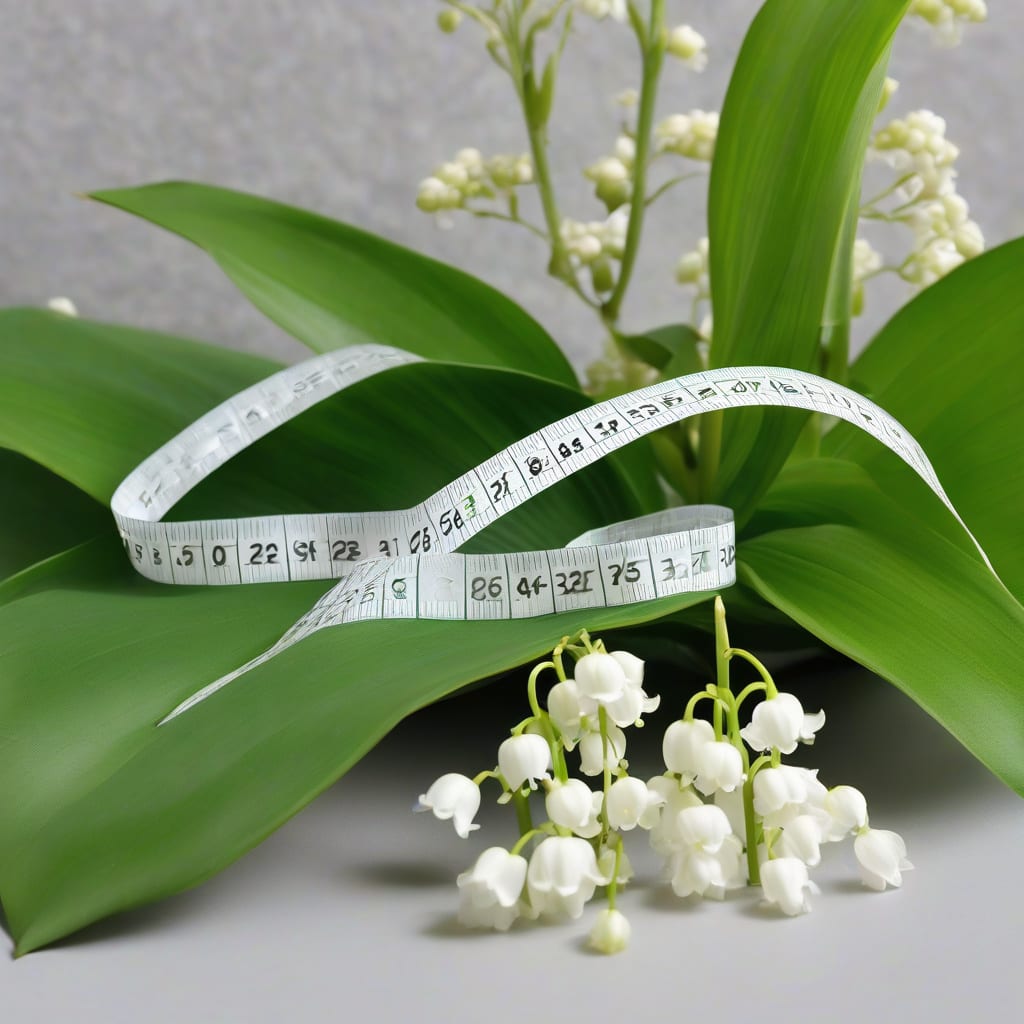
When planning your garden, understanding the growth habits of your chosen plants is crucial. Lily of the Valley 💐 is a charming, low-maintenance perennial that typically grows between 0.5 to 1.5 feet tall, making it perfect for shaded areas.
Its height can vary based on factors like soil quality and light conditions, but generally, it remains knee-high, adding delicate beauty without overwhelming other plants. Let’s explore what influences its growth and how to make the most of it in your garden design.


Lily of the Valley is known for its delicate, bell-shaped flowers and ability to thrive in shaded areas. Typically, it grows between 0.5 to 1.5 feet tall, making it a great choice for gardeners looking for a low-maintenance, yet beautiful addition to their landscape.
The height can vary based on factors such as soil quality, light exposure, and moisture levels. Understanding these factors is crucial for gardeners who want to make the most of this charming perennial.
The height of Lily of the Valley plants is influenced by several factors, including soil quality, light exposure, and watering conditions. In general, they tend to grow taller in richer soils with adequate moisture. Conversely, poor soil conditions can limit their growth, resulting in shorter plants.
When planting Lily of the Valley, it’s essential to consider the light exposure and moisture to ensure the the the plants receive the right amount of water.
Too much shade can result in leggy growth, while too much sun can cause scorching. Finding the right balance is key to maintaining healthy,我们在d optimal height.
By understanding these factors, gardeners can better manage their Lily of the Valley plants and enjoy their beautiful blooms for years to come 🌼.
The soil quality plays a significant role in determining the height of Lily of the Valley. Rich, well-draining soil with a mix of organic matter can support healthier growth and potentially taller plants.
In contrast, poor soil conditions may limit the plant’s ability to reach its full height potential. Regular fertilization and mulching can help improve soil quality and promote better growth.
To achieve optimal height, ensure your Lily of the Valley receives the right balance of light, water, and nutrients. Rich soil and moderate watering can help promote healthy growth.
In addition to soil quality and light exposure, watering conditions also impact the height of Lily of the Valley. Consistent moisture, especially during the growing season, is crucial for maintaining healthy plants.
Overwatering can lead to root rot, while underwatering may cause stress and limit growth. Finding the right balance is essential for optimal height and overall plant health.
By considering these factors and providing the right care, gardeners can enjoy the beautiful blooms of Lily of the Valley for years to come 💐.
The height of Lily of the Valley can also be influenced by companion plants and surrounding garden conditions. Planting them among other shade-loving plants can create a harmonious and visually appealing garden bed.
Understanding the growth habits and needs of Lily of the Valley is key to creating a thriving and beautiful garden. By providing the right conditions and care, gardeners can enjoy the delicate beauty of these charming perennials.
Overall, Lily of the Valley is a versatile and attractive addition to any shade garden. Its delicate white flowers and sweet fragrance make it a popular choice among gardeners.
With proper care and attention, Lily of the Valley can thrive and provide years of enjoyment. Whether used as a ground cover or border plant, it adds a touch of elegance to any garden.
Lily of the Valley growth height can be influenced by several key factors that gardeners should consider when planning their garden design. Understanding these factors helps in creating optimal growing conditions for these charming perennials.
The height of Lily of the Valley plants is primarily affected by soil quality, light exposure, and watering conditions. Rich, well-draining soil with adequate organic matter supports healthier growth and potentially taller plants.
Soil quality, light exposure, and watering conditions are crucial for determining the height of Lily of the Valley. Proper care and attention to these factors can help achieve optimal growth.
Light exposure plays a significant role in Lily of the Valley growth. Too much shade can result in leggy growth, while too much sun can cause scorching. Finding the right balance is essential for maintaining healthy plants and optimal height 🌿.
Watering conditions are also critical. Consistent moisture, especially during the growing season, is necessary for healthy growth. Overwatering can lead to root rot, while underwatering may cause stress and limit growth.
By understanding and managing these factors, gardeners can create an optimal environment for their Lily of the Valley plants to thrive and enjoy their beautiful blooms for years to come 💐.
The fertilization of Lily of the Valley can also impact its growth height. Using a balanced fertilizer during the growing season can promote healthier growth and potentially taller plants.
Regular mulching around the plants helps retain moisture, suppress weeds, and regulate soil temperature, all of which contribute to healthier growth and optimal height.
In addition to these factors, companion planting can also influence the growth height of Lily of the Valley. Planting them among other shade-loving plants can create a harmonious garden bed and support their growth.
Overall, understanding the factors that influence Lily of the Valley growth height is key to creating a thriving and beautiful garden. By providing the right conditions and care, gardeners can enjoy the delicate beauty of these charming perennials.
When incorporating Lily of the Valley into your garden design, understanding its height characteristics is essential for creating a balanced and visually appealing landscape. Typically growing between 0.5 to 1.5 feet tall, this perennial can be used effectively as a ground cover or border plant.
The relatively low height of Lily of the Valley makes it an excellent choice for shaded areas where taller plants might overwhelm the space. Its delicate white flowers and sweet fragrance add elegance without dominating other garden features.
To maximize the visual impact, consider planting Lily of the Valley in mass plantings under trees or along shaded borders. This approach not only enhances their beauty but also helps in maintaining a uniform height across the planting area 🌿.
By thoughtfully incorporating Lily of the Valley into your garden design, you can create a beautiful, low-maintenance landscape that thrives in shaded conditions. Its charming height characteristics make it a versatile choice for various garden styles and needs.
