
Beautiful Plants For Your Interior
Beautiful Plants For Your Interior
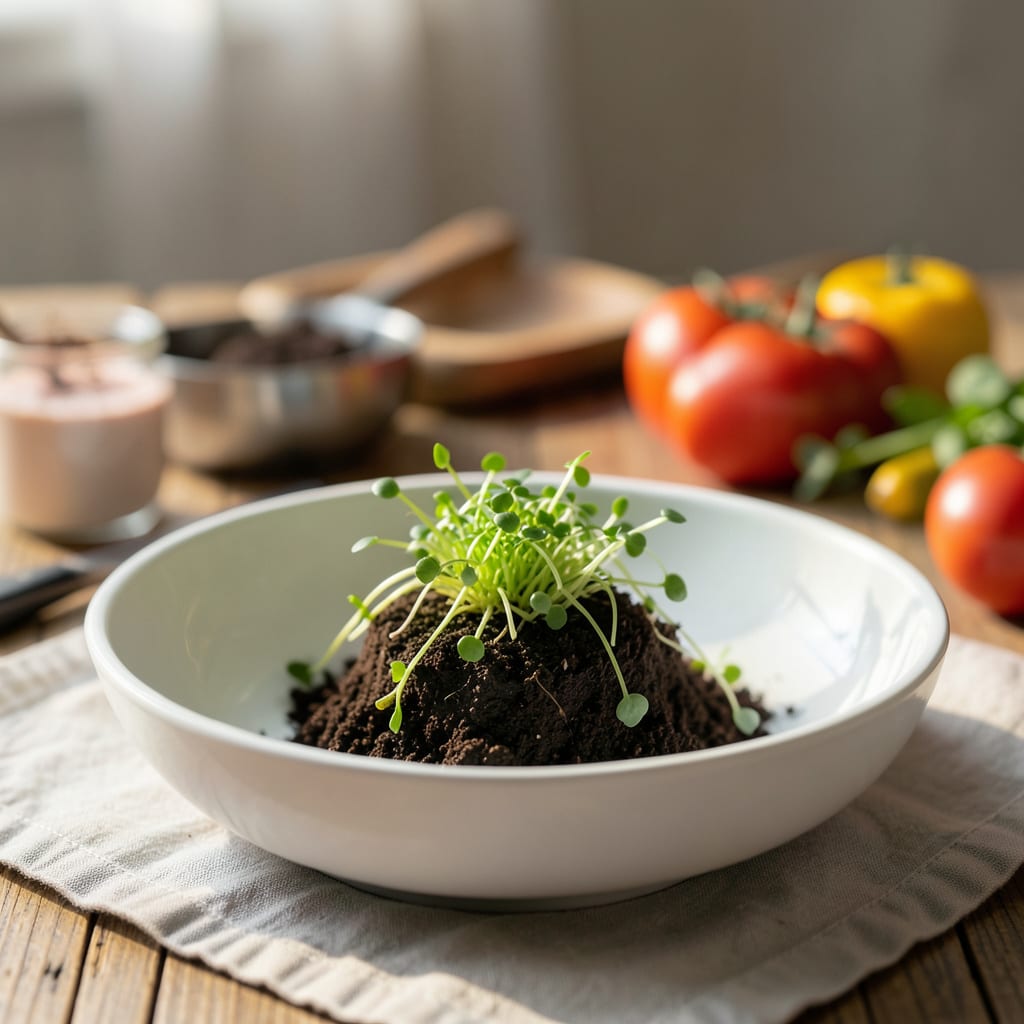
Repotting your Houseplant 🏠 is a big step in its growth journey, but timing your fertilization just right is crucial for its continued health. I’ve learned that fertilizing too soon can do more harm than good.
So, when is the right time to start fertilizing after repotting? Let’s explore the optimal timing and strategies to help your Houseplant thrive in its new home, particularly in USDA Zone 6 where seasonal changes can impact growth.

When you repot your Houseplant 🏠, it’s like giving it a new home – but the move can be stressful for the plant. After repotting, plants need time to recover and adjust to their new environment. This recovery period is crucial, and fertilizing too soon can add to the stress rather than helping the plant. 🌱
The roots of your plant need time to settle into the new soil and pot. Fertilizing immediately after repotting can cause a surge of nutrients that might be too much for the plant to handle, potentially leading to fertilizer burn or other issues. It’s essential to give your plant the time it needs to recover before introducing additional nutrients.
Fertilizing too soon after repotting can cause fertilizer burn and stress to the plant. Wait until your plant shows signs of new growth before fertilizing.
The recovery time can vary depending on the type of plant, its size, and the conditions it’s growing in. Generally, most Houseplants take about 1-2 weeks to adjust to their new pot. During this time, ensure your plant is getting the right amount of water and light.
Some plants are more resilient and can bounce back quickly from repotting, while others may take longer. It’s crucial to observe your plant’s response to repotting and adjust your care routine accordingly. Look for signs of new growth, such as new leaves or roots growing out of the drainage holes.
After repotting, it’s also essential to monitor your plant’s watering needs. The new soil might retain moisture differently, and the plant’s water requirements could change. Check the soil moisture by inserting your finger into the soil up to the first knuckle. If the soil feels dry, it’s time to water. 💧
Maintaining the right temperature and humidity levels can also help your plant recover more quickly. Most Houseplants prefer temperatures between 65°F to 75°F (18°C to 24°C) and moderate humidity. Avoid placing your plant in areas with drafts or extreme temperatures. 🌡️
By giving your Houseplant the time and care it needs after repotting, you’ll be setting it up for success and ensuring it continues to thrive in its new home. Patience is key when it comes to fertilizing after repotting – wait for the right moment to give your plant the nutrients it needs.
Different plants have different recovery times. For example, succulents might take longer to show new growth compared to fast-growing foliage plants. Understanding your plant’s specific needs and growth patterns can help you determine the best time to fertilize.
It’s also worth noting that the quality of the potting mix can impact your plant’s recovery. A well-draining, nutrient-rich potting mix can provide your plant with a good start, even after repotting. Consider using a mix that’s specifically designed for Houseplants.
As you wait for your plant to recover, keep an eye out for any signs of stress or disease. Early detection can help you address any issues before they become severe. Check your plant regularly for pests, diseases, or nutrient deficiencies.
In summary, while it’s tempting to fertilize your Houseplant immediately after repotting, it’s generally best to wait. Give your plant the time it needs to adjust to its new environment, and then consider fertilizing once you see signs of new growth. This approach will help ensure your plant gets off to a healthy start in its new pot. 🌿
After repotting your Houseplant 🏠, it’s essential to wait for the right moment to fertilize. The timing depends on several factors, including the type of plant, soil condition, and environmental factors. Generally, it’s recommended to wait 1-2 weeks after repotting before fertilizing.
During this time, your plant is adjusting to its new environment and recovering from the repotting stress. Fertilizing too soon can cause more harm than good, potentially leading to fertilizer burn or other issues.
The type of fertilizer you use is also crucial. A balanced fertilizer with an NPK ratio of 20-20-20 is suitable for most Houseplants. However, some plants may require more specific nutrients. For example, flowering plants might benefit from a fertilizer with a higher phosphorus content.
In addition to the type of fertilizer, the soil condition also plays a significant role in determining the optimal fertilization timing. If your plant is potted in a well-draining, nutrient-rich mix, it may not need fertilizer immediately after repotting.
Environmental factors such as light, temperature, and humidity can also impact your plant’s growth and fertilization needs. For example, plants growing in bright, indirect light may require more frequent fertilization than those in low-light conditions.
To determine the best fertilization schedule for your Houseplant, observe its response to repotting and adjust your care routine accordingly. Look for signs of new growth, such as new leaves or roots growing out of the drainage holes. 🌿
By considering these factors and waiting for the right moment to fertilize, you can help your Houseplant thrive in its new home. Remember, patience is key when it comes to fertilizing after repotting.
When it comes to fertilizing after repotting, different plants have different needs. Understanding these needs is crucial for providing the right care. I’ve found that succulents, flowering plants, and foliage plants all require unique fertilization strategies after repotting.
The key is to observe your plant’s response to repotting and adjust your fertilization schedule accordingly. Look for signs of new growth, such as new leaves or roots growing out of the drainage holes.
By tailoring your fertilization strategy to your plant’s specific needs, you can help it thrive in its new environment. 🌿
For example, if you’re growing orchids, you may need to use a specialized orchid fertilizer that caters to their unique nutritional requirements.
On the other hand, vegetable plants might require more frequent fertilization to support their rapid growth and fruit production.
It’s generally recommended to wait 1-2 weeks after repotting before fertilizing. This allows your plant to recover from repotting stress and adjust to its new environment. Waiting too long can delay nutrient uptake, but fertilizing too soon can cause fertilizer burn.
No, it’s best to wait 2-3 weeks before fertilizing succulents after repotting. Succulents are sensitive to fertilizer, and repotting stress can make them more vulnerable to fertilizer burn. Use a diluted, balanced fertilizer during the growing season for best results.
A balanced fertilizer with an NPK ratio of 20-20-20 is suitable for most Houseplants. However, some plants may require more specific nutrients. For example, flowering plants might benefit from a fertilizer with a higher phosphorus content to promote blooming.
Look for signs of new growth, such as new leaves or roots growing out of the drainage holes. This indicates that your plant has recovered from repotting stress and is ready to uptake nutrients. Adjust your fertilization schedule based on your plant’s response to repotting.
