
Beautiful Plants For Your Interior
Beautiful Plants For Your Interior
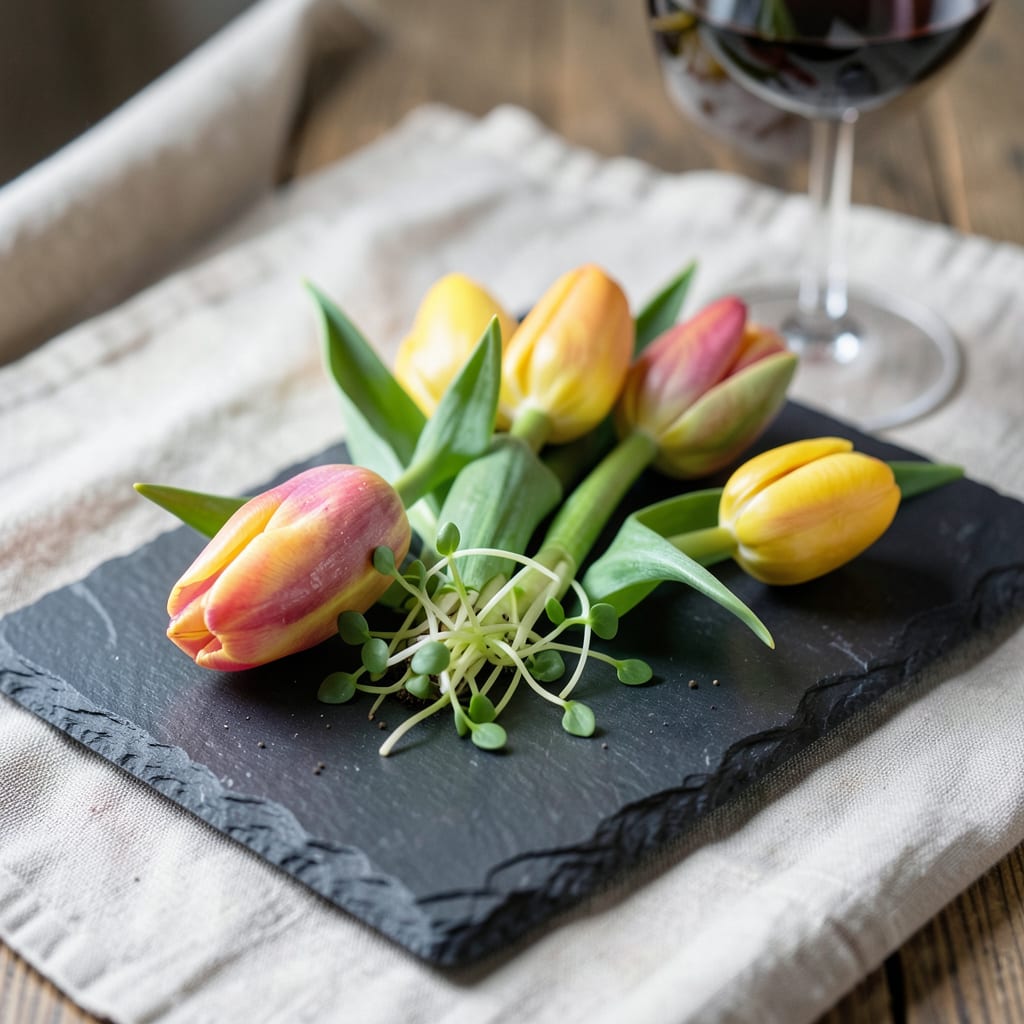
Fertilizing tulips 💐 at the right time is crucial for vibrant blooms and healthy growth. In USDA Zone 6, timing is everything to ensure your tulips receive the nutrients they need to thrive year after year.
I’ll guide you through the best times to fertilize your tulips, including after blooming and in fall, to promote healthy growth and beautiful blooms.

Fertilizing tulips at the right time is crucial for their growth and blooming. The best time to fertilize tulips is in the fall, about 6-8 weeks before the ground freezes, and after they finish blooming in the spring 🌼.
In USDA Zone 6, tulips typically bloom in the spring, and after blooming, the foliage needs time to die back naturally. This process allows the bulb to store energy for next year’s bloom. Fertilizing after blooming helps promote healthy foliage and bulb development 💐.
The fertilizer type is also important. A balanced fertilizer (e.g., 5-10-10 NPK) is recommended for tulips. This type of fertilizer provides the necessary nutrients for healthy growth and blooming 🌱.
In the fall, about 6-8 weeks before the ground freezes, apply a high-phosphorus fertilizer to encourage root growth and blooming. This is typically done in October or November in USDA Zone 6 🍁.
When fertilizing tulips, it’s essential to follow the recommended application rates to avoid over-fertilization. Over-fertilization can damage the bulbs and reduce blooming 💔.
Soil conditions also play a significant role in tulip fertilization. Tulips prefer well-draining soil that is rich in organic matter. If your soil is heavy clay or sandy, you may need to adjust your fertilization schedule accordingly 🌿.
By fertilizing your tulips at the right time and with the right type of fertilizer, you can promote healthy growth and vibrant blooming.
In summary, fertilizing tulips in the fall and after blooming in the spring is crucial for their growth and blooming. By following these guidelines and using the right type of fertilizer, you can enjoy beautiful tulip blooms year after year 🌼.
For more information on tulip care, you can refer to additional resources that provide detailed guides on tulip cultivation and maintenance 📚.
By understanding the optimal fertilization schedule and providing your tulips with the right nutrients, you can enjoy vibrant blooms and healthy growth for years to come 🌻.
Fertilizing tulips effectively requires choosing the right fertilizer type and following proper application methods. I recommend using a balanced fertilizer (e.g., 5-10-10 NPK) to promote healthy growth and blooming 🌼.
The application method is also crucial. You can apply fertilizer by sprinkling it around the base of the plants or mixing it into the soil.
Apply fertilizer in the fall about 6-8 weeks before the ground freezes, and after blooming in the spring to promote healthy growth and blooming.
When fertilizing tulips, it’s essential to consider soil conditions. Tulips prefer well-draining soil that is rich in organic matter. If your soil is heavy clay or sandy, you may need to adjust your fertilization schedule accordingly 🌱.
A high-phosphorus fertilizer can be used in the fall to encourage root growth and blooming. This is typically done in October or November in USDA Zone 6 🍁.
By following these guidelines and using the right type of fertilizer, you can promote healthy growth and vibrant blooming in your tulips 🌻.
For more information on tulip care, you can refer to additional resources that provide detailed guides on tulip cultivation and maintenance 📚.
Proper fertilization is key to enjoying beautiful tulip blooms year after year. By understanding the best fertilization practices, you can keep your tulips healthy and thriving 💐.
Fertilizing tulips can be straightforward, but there are common mistakes that can hinder their growth and blooming. One of the most significant errors is over-fertilization, which can damage the bulbs and reduce blooming 🌼.
Another mistake is fertilizing at the wrong time. Tulips need nutrients at specific times, such as after blooming and in the fall. Fertilizing during dormancy can be ineffective and potentially harmful ❄️.
Avoid over-fertilizing tulips as it can damage the bulbs and reduce blooming. Also, be cautious of fertilizing during dormancy as it can be ineffective and potentially harmful.
Using the wrong type of fertilizer is another common mistake. Tulips require a balanced fertilizer (e.g., 5-10-10 NPK) to promote healthy growth and blooming. A high-phosphorus fertilizer can be used in the fall to encourage root growth and blooming 🌱.
Soil conditions also play a significant role in tulip fertilization. Tulips prefer well-draining soil that is rich in organic matter. If your soil is heavy clay or sandy, you may need to adjust your fertilization schedule accordingly 🌿.
By avoiding these common mistakes, you can promote healthy growth and vibrant blooming in your tulips. Proper fertilization is key to enjoying beautiful tulip blooms year after year 🌻.
For more information on tulip care, you can refer to additional resources that provide detailed guides on tulip cultivation and maintenance 📚.
Fertilize tulips in the fall, about 6-8 weeks before the ground freezes, and after they finish blooming in the spring. This promotes healthy growth and blooming. In USDA Zone 6, this typically means fertilizing in October or November and again after blooming in the spring.
Use a balanced fertilizer (e.g., 5-10-10 NPK) to promote healthy growth and blooming. A high-phosphorus fertilizer can be used in the fall to encourage root growth and blooming. This type of fertilizer provides the necessary nutrients for vibrant blooms.
No, avoid fertilizing tulips during dormancy as it can be ineffective and potentially harmful. Tulips need nutrients at specific times, such as after blooming and in the fall. Fertilizing during dormancy can damage the bulbs and reduce blooming.
Fertilize tulips twice a year: after blooming in the spring and in the fall, about 6-8 weeks before the ground freezes. This frequency provides the necessary nutrients for healthy growth and blooming.
