
Beautiful Plants For Your Interior
Beautiful Plants For Your Interior
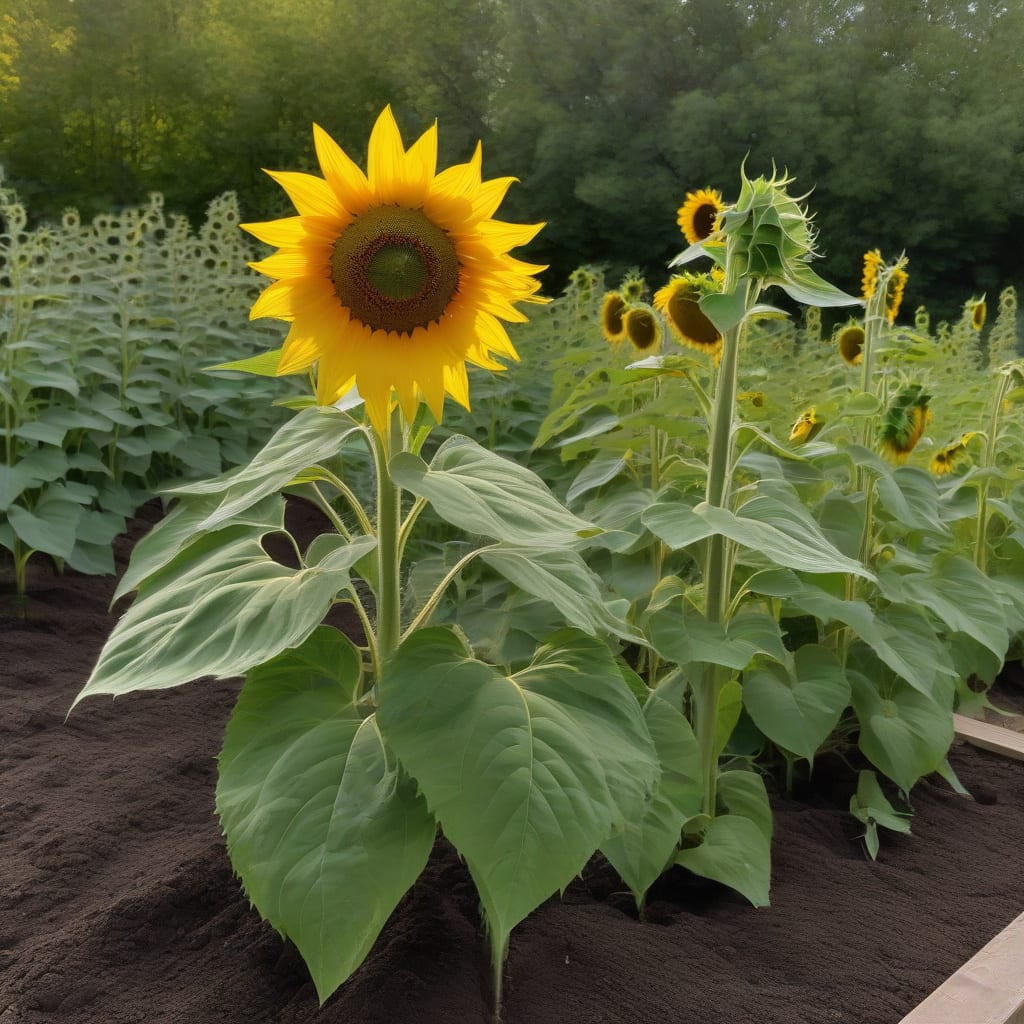
Have you ever wondered just how tall your General Plant 🌱 can grow? The maximum height varies depending on factors like genetics and environment.
In USDA Zone 6, understanding these elements can help you create ideal conditions for your plant to thrive during the spring planting season.


The height a plant can reach is determined by a complex interplay of genetics, environment, and care practices. Understanding these factors is crucial for gardeners who want to maximize their plants‘ growth potential 🌱.
Genetic factors play a significant role in determining a plant’s maximum height. Some plants are naturally taller than others due to their genetic makeup. For example, certain varieties of sunflowers are bred to grow much taller than others.
Environmental conditions such as light exposure, temperature, and water availability also significantly impact a plant’s height. Plants grown in optimal conditions tend to grow taller and healthier 🌱.
The quality of the soil is another critical factor. Soil that is rich in nutrients and has good drainage can support more vigorous plant growth, leading to taller plants.
Temperature affects the rate of photosynthesis and overall growth. Most plants have the potential to be quite tall if other conditions are met.
Care practices such as pruning, fertilization, and providing support can also influence a plant’s height. Proper care can help plants reach their maximum potential height 🌱.
For example, tomato plants that are supported with stakes or trellises can grow much taller than those that are not supported. Similarly, regular fertilization can provide the necessary nutrients for optimal growth.
Understanding these factors can help gardeners create the ideal conditions for their plants to thrive and reach their maximum height 🌱.
By considering both genetic and environmental factors, gardeners can make informed decisions about how to care for their plants. This knowledge can lead to healthier, taller plants that add beauty and productivity to any garden 🌼.
Maximizing plant height requires a combination of good genetics, optimal environmental conditions, and proper care practices. By focusing on these areas, gardeners can help their plants reach their full potential 🌱.
To help plants reach their maximum height, gardeners must employ proper gardening practices. This includes providing the right amount of water, nutrients, and support. By doing so, gardeners can create an optimal environment for their plants to thrive 🌿.
Pruning is another essential practice that can significantly impact a plant’s height. By removing dead or damaged branches, gardeners can promote healthy growth and encourage their plants to reach their full potential 🌻.
Regularly inspect your plants for signs of nutrient deficiency and adjust your fertilization schedule accordingly to promote healthy growth.
Fertilization plays a critical role in maximizing plant height. By providing the necessary nutrients, gardeners can support vigorous growth and help their plants reach their maximum potential 🌱.
The type and amount of fertilizer used can vary depending on the specific needs of the plant. Gardeners should choose a balanced fertilizer that contains the necessary macro-nutrients and micro-nutrients for optimal growth 🌼.
In addition to pruning and fertilization, providing support is crucial for plants that tend to grow tall or have weak stems. This can include using stakes, trellises, or other forms of support to keep the plant upright and promote vertical growth 🌻.
By combining these gardening practices, gardeners can create an optimal environment for their plants to reach their maximum height. With proper care and attention, plants can thrive and add beauty and productivity to any garden 🌱.
Regular monitoring of a plant’s growth and adjusting care practices accordingly is essential for maximizing height. Gardeners should be prepared to make changes as needed to support their plants’ growth 🌿.
By following these tips and providing the right conditions, gardeners can help their plants reach new heights and enjoy the many benefits that come with it 🌼.
The height of garden plants can vary significantly based on their type and growing conditions. Understanding these variations helps gardeners choose the right plants for their space 🌱.
Different plants have different maximum heights, ranging from dwarf varieties that stay compact to record-breaking plants that can grow exceptionally tall. For example, dwarf tomato plants typically grow to be around 2-3 feet tall, while standard tomato plants can reach heights of 6-10 feet or more 🌼.
When planning a garden, it’s essential to consider the mature height of each plant to ensure they have enough space to grow. Proper spacing not only promotes healthy growth but also makes maintenance easier 🌻.
By understanding the typical and maximum heights of different plants, gardeners can create a well-planned garden that maximizes space and productivity. This knowledge helps in selecting the right plants for specific areas of the garden 🌱.
Gardeners should also be aware that factors such as soil quality, light exposure, and care practices can influence the actual height a plant achieves. Providing optimal conditions can help plants reach their full potential 🌼.
