
Beautiful Plants For Your Interior
Beautiful Plants For Your Interior
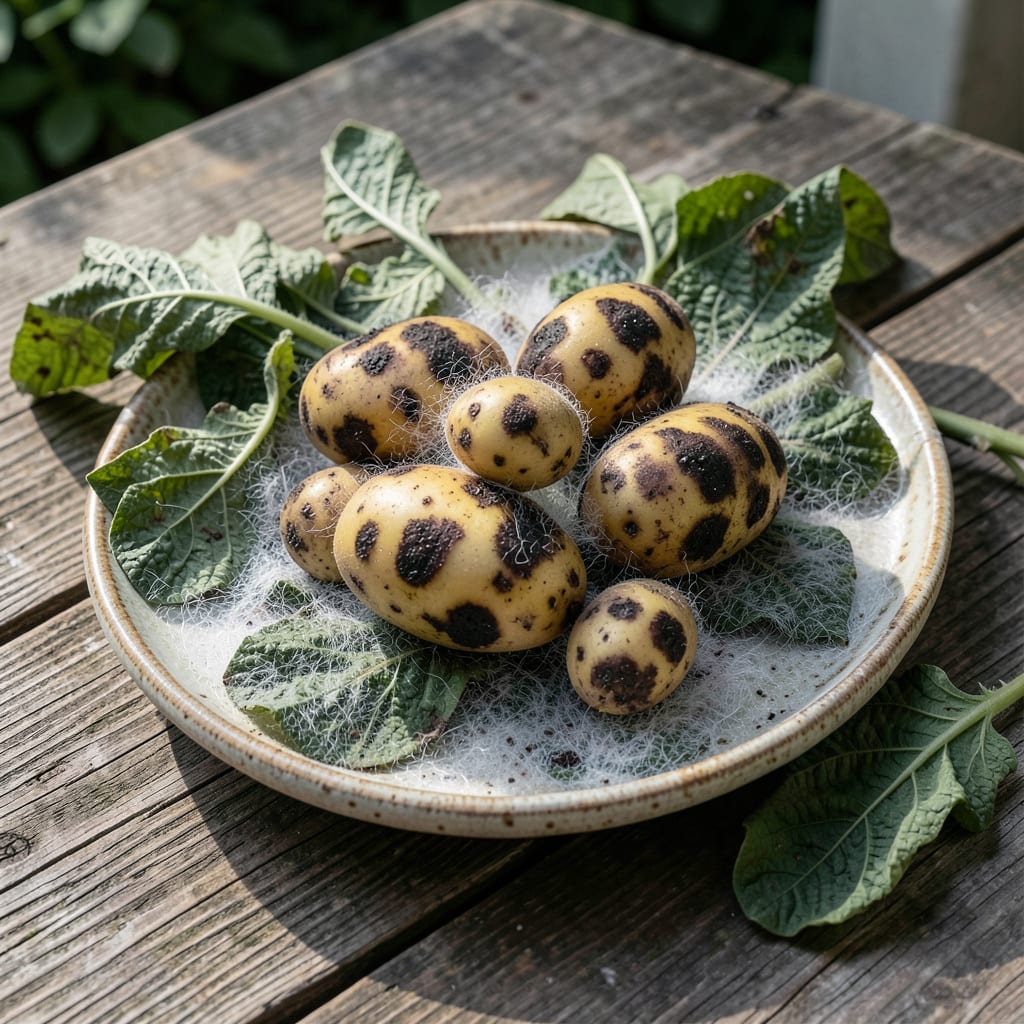
I lost an entire potato crop to late blight last summer. It starts with dark spots on leaves, then spreads overnight in wet weather, turning healthy plants into blackened husks within days.
This fungus thrives in cool, damp conditions and can overwinter in soil or infected tubers. The key is catching it early—check undersides of leaves for white mold and remove affected plants immediately to stop the spread.
Organic prevention works best: space plants for airflow, avoid overhead watering, and rotate crops yearly. Copper sprays can help, but prevention beats any cure for this aggressive disease.
Early action saves your harvest. Don’t wait until it’s too late to protect your plants.
The Phytophthora infestans pathogen, responsible for potato late blight, thrives under specific environmental and agricultural conditions. Understanding these triggers helps in early intervention and prevention.
Late blight flourishes in wet, humid conditions. Prolonged leaf wetness (12+ hours) at temperatures between 60–77°F (15–25°C) creates an ideal breeding ground. Heavy rainfall, overhead irrigation, or dense fog can accelerate spore germination and infection spread.
Rapid temperature shifts, especially from cool nights to warm days, stress potato plants and weaken their defenses. The fungus grows most aggressively at 72°F (22°C) but can survive in cooler soil or plant debris, lying dormant until conditions improve.
Using contaminated seed potatoes or planting in previously infected soil introduces the pathogen directly into the crop. The fungus can overwinter in tubers or plant debris, making crop rotation and sanitized seed sources critical for prevention.
Dense plantings or lack of spacing restrict airflow, trapping moisture around leaves. This stagnant environment prolongs leaf wetness, giving spores more time to infect. Proper row spacing and pruning lower leaves improve ventilation.
Fungal spores hitch rides on tools, clothing, or machinery moved between fields. Even wind or splashing rain can carry spores from infected plants to healthy ones. Sanitizing equipment and avoiding work in wet fields reduces this risk.
Tackling potato late blight fungus requires quick action and consistent practices. Below are practical solutions mapped to common causes, along with prevention tips to keep your crop healthy.
Standing water or poorly drained soil creates the perfect breeding ground for the fungus. Fix it: Amend heavy soil with compost or sand to boost drainage. Raise beds or use ridges to prevent waterlogging. Prevent it: Water early in the day so foliage dries quickly, and avoid overhead irrigation.
Planting infected tubers is a surefire way to introduce blight. Fix it: Discard any seed potatoes with dark spots or rot. Prevent it: Always source certified disease-free seed potatoes from reputable suppliers. Inspect tubers before planting.
Dense foliage traps moisture and reduces airflow, encouraging fungal growth. Fix it: Thin seedlings to 10–12 inches apart and space rows 2–3 feet apart. Prevent it: Prune lower leaves to improve air circulation, especially in humid conditions.
Blight thrives in cool, damp conditions. Fix it: Spray copper-based fungicides (like Bordeaux mixture) at the first sign of disease, repeating every 7–10 days. Prevent it: Monitor weather forecasts; cover plants with row covers during prolonged rain.
Avoid planting potatoes or tomatoes (both nightshades) in the same spot year after year. Prevent it: Rotate crops with non-host plants like beans or corn for at least 3 years to break the fungal cycle.
By addressing these root causes and staying proactive, you can minimize damage and protect your harvest. Consistency is key!
It can destroy an entire crop in 3-5 days under ideal wet conditions. The spores spread rapidly through wind and water, so immediate removal of infected plants is critical.
No—once tubers show signs like brown rot, they’re inedible. Destroy infected plants and tubers to prevent further spread. Never compost them, as the fungus persists.
Copper-based fungicides like Bordeaux mixture are most effective. Apply at first sign of disease and repeat every 7-10 days during wet weather. Neem oil may help as a preventative.
Yes, it attacks tomatoes and other nightshades. Keep these plants separated and rotate crops yearly to break the disease cycle.
