
Beautiful Plants For Your Interior
Beautiful Plants For Your Interior
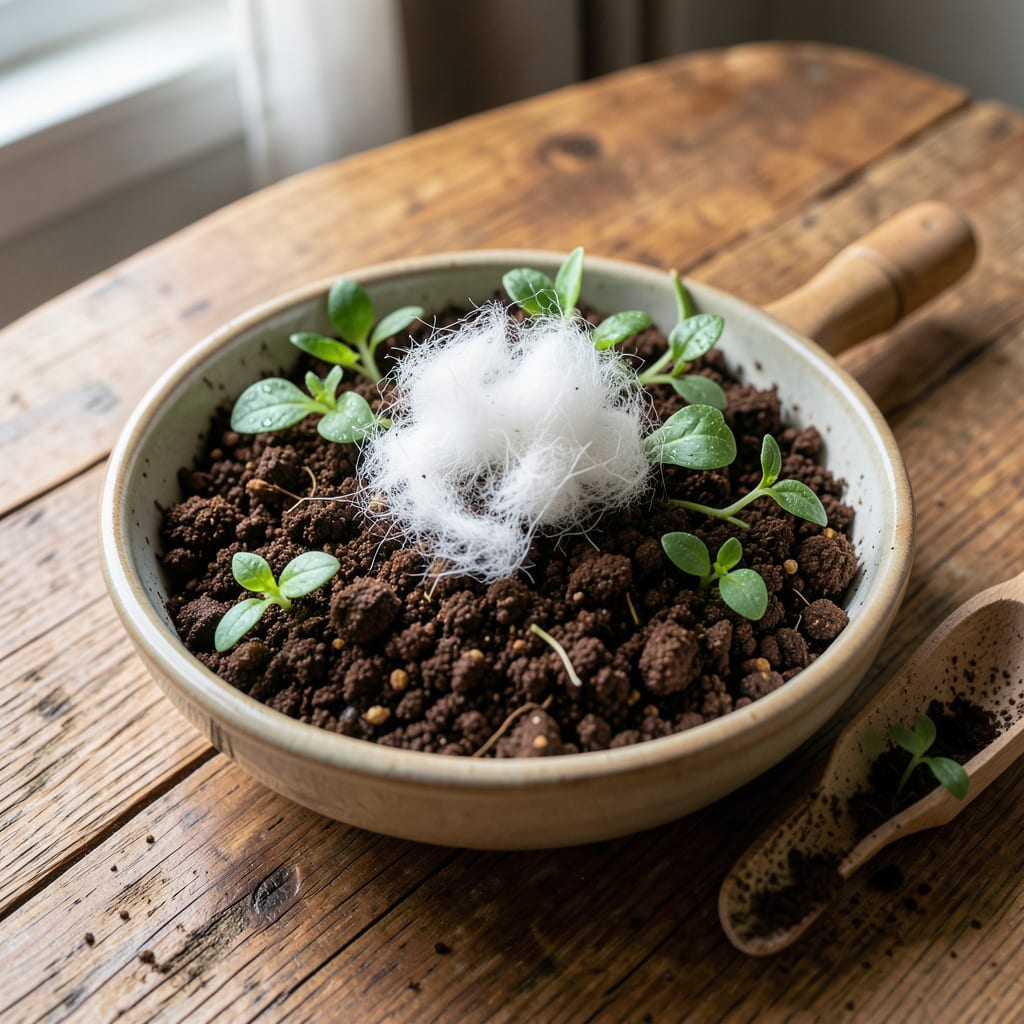
White fungus in soil isn’t always a death sentence for your garden. I’ve seen it pop up overnight in my raised beds—fluffy, thread-like, or powdery—and panicked like everyone else.
Here’s the thing—it’s often just nature’s cleanup crew breaking down organic matter. But when it spreads aggressively or forms dense mats, it can signal trouble for your plants’ roots and overall soil health.
You’ll spot the difference by checking moisture levels, plant health, and the fungus type. Most cases clear up with better drainage and airflow, but persistent problems need a more targeted approach.
The good news? With early detection and the right organic methods, you can restore balance without harsh chemicals. Your soil—and plants—will thank you.
White fungus in soil often appears due to a combination of environmental and biological factors. Understanding these causes can help you address the issue effectively.
Overwatering or poor drainage creates a damp environment where fungi thrive. White fungal growth, such as Saprophytic fungi, feeds on decomposing organic matter and proliferates in consistently wet soil. To prevent this, ensure your soil has proper drainage and avoid overwatering plants.
Soils rich in organic material, like compost or mulch, can encourage white fungus growth. While organic matter improves soil health, an excess of it—especially if not fully decomposed—can become a breeding ground for fungi. Balance organic additions with inorganic materials to reduce this risk.
White fungi often flourish in warm, humid conditions. Temperatures between 70–85°F (21–29°C) are ideal for fungal spores to germinate and spread. If your soil stays warm and moist, it’s more likely to develop visible fungal growth.
Compacted soil or dense planting limits airflow, trapping moisture and heat. This stagnant environment is perfect for white fungi to establish and grow. Aerating the soil and spacing plants properly can improve ventilation and discourage fungal development.
Soils lacking balanced nutrients, particularly nitrogen, can promote fungal overgrowth. White fungi often indicate a breakdown of organic material due to insufficient nitrogen for decomposition. Testing your soil and amending it with the right nutrients can help restore balance.
White fungus in soil isn’t always harmful, but if it’s spreading or affecting plant health, it’s time to act. Below are targeted solutions based on common causes, along with prevention tips to keep your soil fungus-free.
Soggy soil is a playground for white fungus. Stop watering immediately and let the top 1-2 inches of soil dry out. For potted plants, ensure drainage holes are unclogged. Add perlite or coarse sand to the soil mix to improve aeration. In garden beds, consider amending with compost or organic matter to boost drainage naturally.
Fungus thrives in stagnant, humid conditions. Space out plants to allow airflow, and prune dense foliage to reduce moisture buildup. If growing indoors, use a small fan on low to keep air moving. For outdoor gardens, avoid overcrowding and remove weeds that trap humidity.
Decaying leaves, wood, or mulch can feed white fungus. Remove visible debris from the soil surface and surrounding areas. Replace old mulch with fresh, well-aged wood chips or straw, which are less likely to harbor fungus. Keep garden beds tidy to discourage growth.
For stubborn cases, a diluted hydrogen peroxide solution (1:10 with water) can help kill fungus without harming plants. Always test on a small area first!
It depends on the type and severity. If it’s saprophytic fungus breaking down organic matter, it’s generally harmless. However, if it’s spreading rapidly or has a foul odor, remove it before planting.
Harmful varieties often appear as dense, cottony growths and may emit a musty smell. They can also cause wilting or yellowing in nearby plants. Observe these signs to assess the risk.
Yes, exposing affected soil to direct sunlight can help. UV rays naturally inhibit fungal growth. Turn the soil occasionally for even exposure, and combine with improved drainage for best results.
A diluted white vinegar solution (1:4 with water) can help, but use sparingly as it may alter soil pH. Test on a small area first and avoid using on acid-sensitive plants.
