
Beautiful Plants For Your Interior
Beautiful Plants For Your Interior
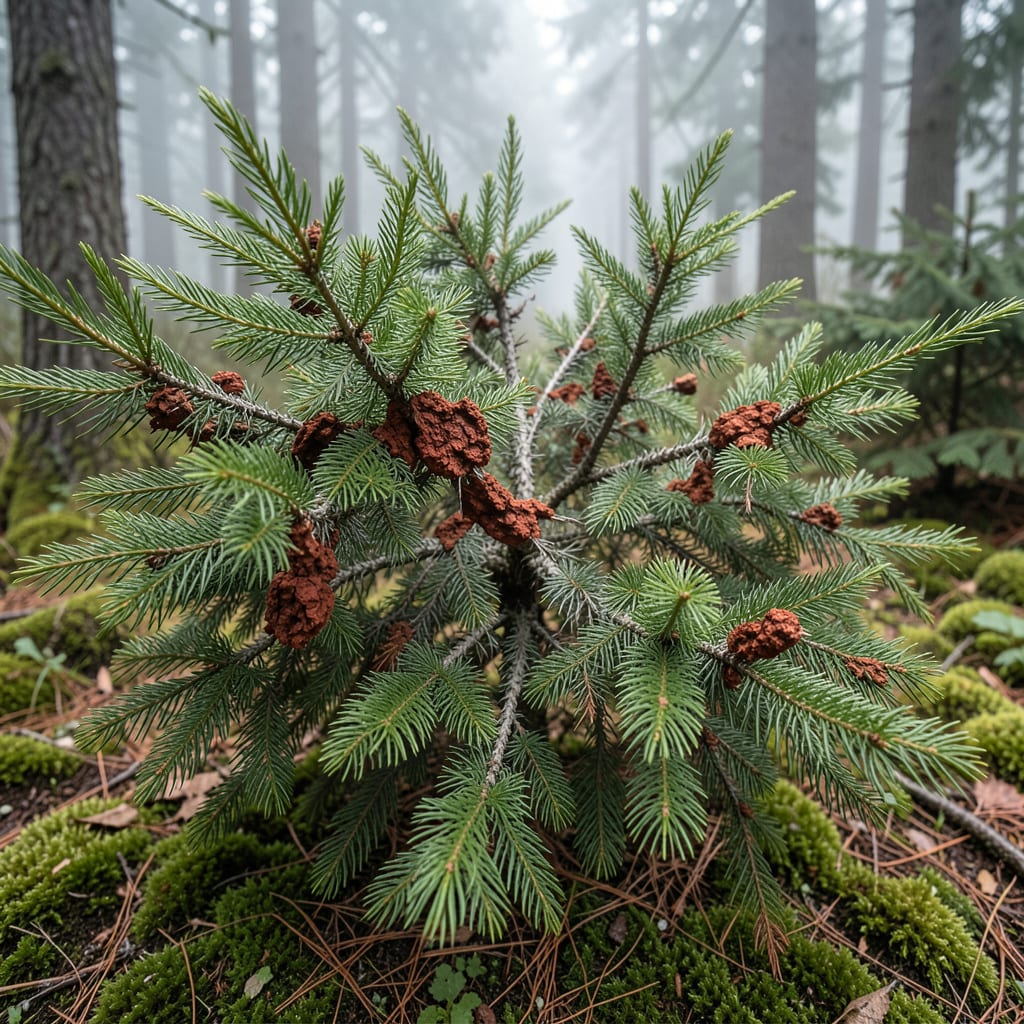
That brown branch on your Leyland cypress isn’t just winter damage. I learned the hard way that Seiridium canker starts small but spreads fast through these popular screening trees.
First sign is usually dying branches with cankers oozing resin. The disease thrives in wet conditions, so spring and fall are prime times to check your trees carefully.
Catching it early means you can prune out infected limbs and save the rest. Left unchecked, it’ll turn a healthy 20-foot screen into a gap-toothed eyesore in one season.
Prevention is simpler than treatment—just keep air moving between plants and avoid overhead watering. Here’s what works and what doesn’t.
Seiridium canker in Leyland cypress trees is primarily caused by fungal pathogens, but several environmental and cultural factors contribute to its development. Understanding these causes can help you prevent and manage the disease effectively.
The primary culprits are Seiridium unicorne and Seiridium cardinale, fungi that thrive in wet, humid conditions. These pathogens enter the tree through wounds, such as pruning cuts or natural cracks in the bark, and begin colonizing the inner tissue. Once inside, they disrupt the tree’s vascular system, leading to dieback and canker formation.
Leyland cypress trees under stress are more susceptible to infection. Prolonged periods of drought, waterlogging, or extreme temperature fluctuations weaken the tree’s natural defenses. Stress reduces the tree’s ability to compartmentalize infections, allowing the fungus to spread more easily.
Improper pruning is a major contributor. Using unsterilized tools can transfer fungal spores from infected trees to healthy ones. Additionally, pruning during wet conditions or at the wrong time of year (e.g., late summer) increases the risk of infection. Always sterilize tools with a 10% bleach solution and prune during dry, cool weather.
Leyland cypress hedges planted too closely together create a microclimate with poor air circulation and high humidity—ideal conditions for fungal growth. Ensure proper spacing (at least 8–10 feet apart) to promote airflow and reduce moisture buildup on foliage.
Combating Seiridium canker in Leyland cypress requires a mix of immediate action and long-term care. Here’s how to tackle it effectively:
Remove all branches showing canker symptoms—sunken, discolored, or oozing lesions—using sterilized pruning shears. Cut at least 4–6 inches below the infected area to ensure the fungus is fully removed. Disinfect tools between cuts with a 10% bleach solution or rubbing alcohol to prevent spreading the disease.
Seiridium canker thrives in damp, crowded environments. Thin out dense foliage to enhance airflow and reduce humidity. Space Leyland cypress trees at least 8–10 feet apart during planting to minimize future issues. This also helps the remaining branches dry faster after rain or watering.
For severe infections, apply a copper-based fungicide or thiophanate-methyl to protect healthy tissue. Spray thoroughly, covering all surfaces of the plant, and repeat every 2–4 weeks during wet seasons. Always follow the product’s label instructions for safety and effectiveness.
Stressed trees are more vulnerable. Water deeply but infrequently (1–2 times per week) to encourage strong root growth. Apply a balanced fertilizer in early spring to support recovery, but avoid over-fertilizing, which can weaken the tree. Mulch around the base (keeping it 2–3 inches away from the trunk) to retain moisture and regulate soil temperature.
Prevention Tips: 💡
Look for brown or dying branches with sunken, resin-oozing cankers. These often appear first on lower branches. Early signs include yellowing foliage before browning occurs.
If over 50% of the tree is affected, removal is best to prevent spreading. For less severe cases, aggressive pruning and fungicide may help. Act quickly to improve chances.
Prune during dry, cool weather—ideally in late winter or early spring. Always sterilize tools between cuts with a 10% bleach solution. Avoid pruning during wet seasons.
