
Beautiful Plants For Your Interior
Beautiful Plants For Your Interior
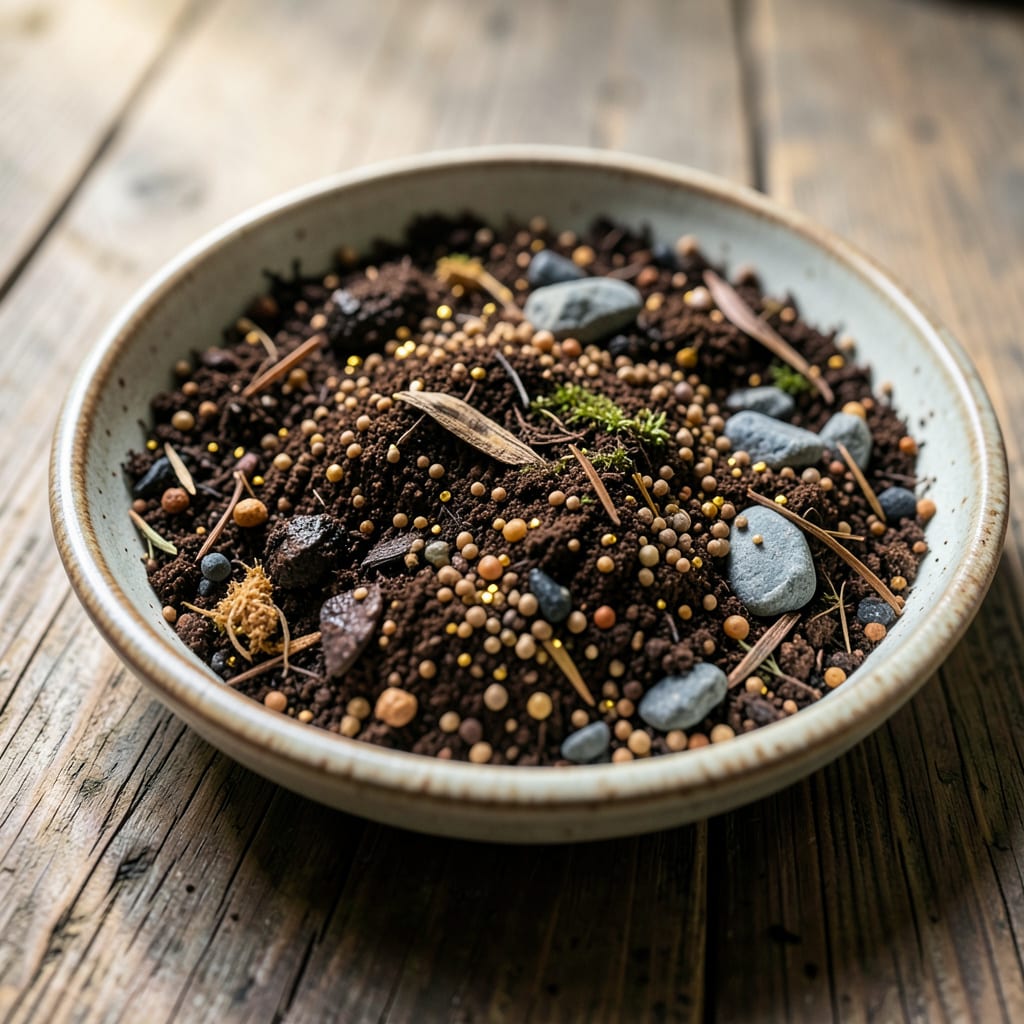
I found my first white mold outbreak on a Tuesday morning. Fungal spores in soil don’t announce themselves—they just appear, usually when you least expect it.
These microscopic invaders can overwinter for years, waiting for the right moisture and temperature to attack. Most gardeners don’t notice until leaves yellow or stems rot, but by then the battle’s already uphill.
Here’s the thing—cultural solutions work better than any spray. Proper spacing, crop rotation, and soil drainage break the cycle before it starts. I’ve seen gardens recover in one season with the right approach.
Early detection saves plants and sanity. Learn to spot the warning signs before they spread.
Fungal spores thrive in soil due to a mix of environmental and biological factors. Understanding these triggers helps in managing their spread and impact. Below are the primary causes:
Overwatering or poor drainage creates a damp environment, which is ideal for fungal growth. Soils with high moisture levels lack oxygen, encouraging anaerobic conditions where fungi like Phytophthora and Fusarium flourish. Actionable tip: Improve soil drainage with organic matter or raised beds.
Most fungal spores germinate in warm soil (60–85°F). Heat accelerates metabolic activity, allowing fungi to colonize roots and decompose organic material faster. Actionable tip: Use mulch to regulate soil temperature and reduce spikes.
Decaying plant residue (leaves, roots, or compost) provides nutrients for fungi. Pathogens like Verticillium survive in dead tissue, waiting to infect new hosts. Actionable tip: Remove crop debris after harvest and rotate crops to disrupt fungal life cycles.
Imbalanced soil pH (too acidic or alkaline) or nutrient deficiencies weaken plants, making them susceptible to fungal attacks. Compaction also reduces root vigor. Actionable tip: Test soil pH and amend with lime or sulfur as needed; aerate compacted areas.
Dense plantings limit airflow, trapping humidity around foliage and soil. This stagnant environment promotes spore dispersal. Actionable tip: Space plants according to guidelines and prune for better ventilation.
Fungal spores in soil can be tricky, but these targeted solutions can help restore balance and protect your plants. Below are actionable fixes mapped to common causes, along with prevention tips to keep your soil healthy long-term.
If water pools in your soil, fungal spores thrive in the damp conditions. Fix it by amending heavy clay or compacted soil with organic matter like compost or well-rotted manure. This improves drainage and aeration. For existing plant beds, consider raised beds or adding perlite to potting mixes. Prevention tip: 💡 Always check drainage before planting—dig a small hole, fill it with water, and ensure it drains within an hour.
Decaying leaves, mulch, or plant residue can harbor fungal spores. Fix it by removing dead plant material promptly and turning the soil to expose spores to sunlight and air. Avoid thick layers of mulch near plant stems. Prevention tip: 🌡️ Use a thin layer of mulch (1-2 inches) and replace it annually to reduce spore buildup.
Excess moisture is a fungal spore’s best friend. Fix it by watering deeply but less frequently, allowing the top inch of soil to dry between waterings. Use drip irrigation or soaker hoses to keep foliage dry. Prevention tip: ✨ Water in the early morning so soil surfaces dry quickly in the sun.
Planting the same crops in the same spot year after year can lead to spore buildup. Fix it by rotating crops annually and avoiding susceptible plants in infected areas for at least 2-3 years. Prevention tip: 🎯 Interplant with resistant varieties or cover crops like clover to disrupt fungal life cycles.
If spores are already present, apply natural antifungals like neem oil, baking soda sprays, or compost tea. Fix it by treating soil and plants at the first sign of trouble. Prevention tip: 🌿 Introduce beneficial microbes (e.g., Trichoderma) to outcompete harmful fungi.
Many fungal spores can persist for years in soil, especially in cool, damp conditions. Some, like Verticillium, remain viable for 10+ years without a host. Regular crop rotation helps starve them out.
It’s risky. Sterilize reused mix by baking at 200°F for 30 minutes or solarizing in black bags for 4-6 weeks. Better yet, start fresh with clean, high-quality mix.
Remove and destroy infected plants immediately—don’t compost them. Disinfect tools with 10% bleach solution between uses. Avoid overhead watering to reduce splash dispersal.
Yes! Trichoderma and mycorrhizal fungi compete with pathogens for resources. Add them as soil drenches or seed treatments for natural suppression.
