
Beautiful Plants For Your Interior
Beautiful Plants For Your Interior
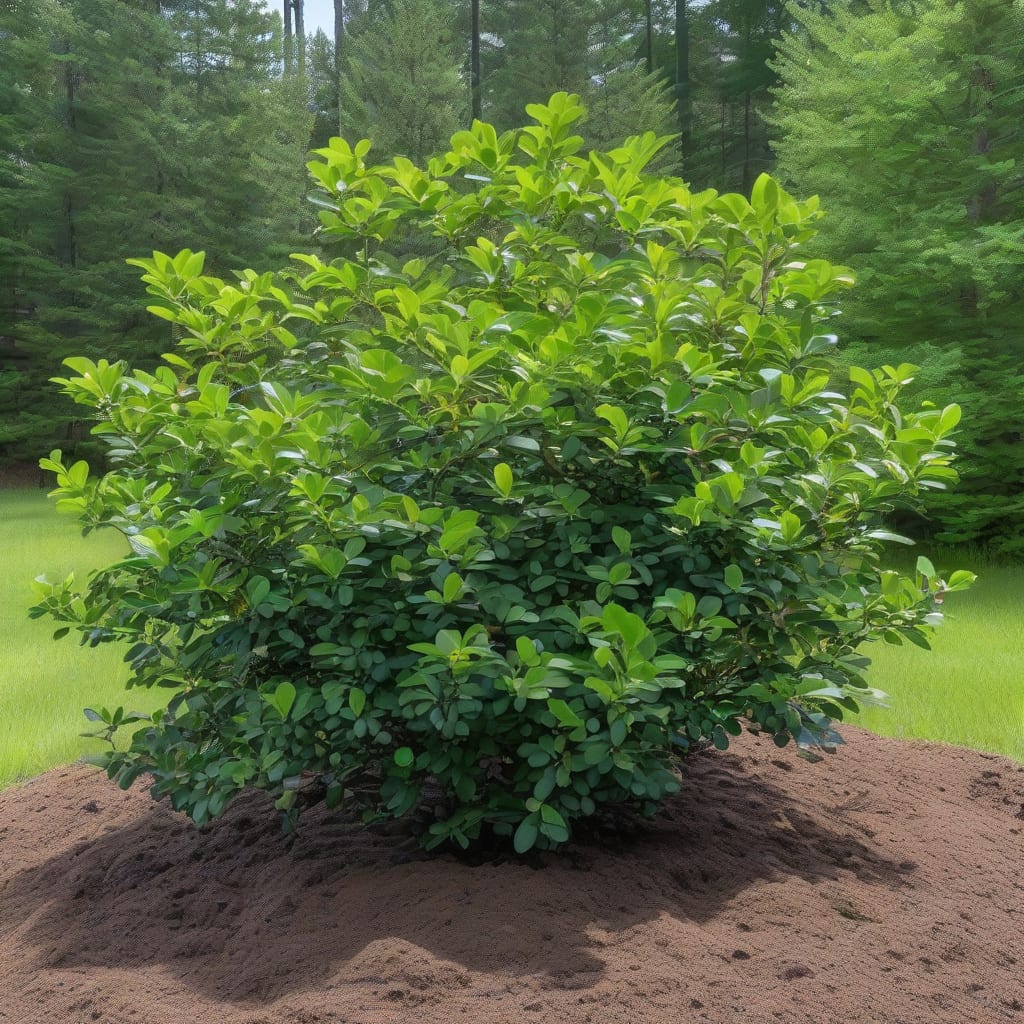
I’ve always been fascinated by how Blueberry 🫐 bushes can grow to varying heights depending on their conditions. Understanding their growth potential is key to maximizing both their height and yield.
In USDA Zone 6, Blueberry bushes typically reach between 3-6 feet tall. Factors like soil quality, pruning techniques, and overall care play a significant role in determining their final height. Let’s explore these factors and how to optimize them for your Blueberry plants.

Blueberry bushes are a popular choice for gardeners due to their delicious fruit and relatively compact growth habit. The height to which blueberries grow can vary significantly based on several key factors.
Understanding these factors is crucial for gardeners who want to maximize both the height and yield of their blueberry bushes. The variety of blueberry, growing conditions, and maintenance practices all play a significant role in determining the final height of the plant.
The typical height range for mature blueberry bushes is between 4-6 feet, though this can vary based on the specific cultivar and growing conditions. Dwarf varieties typically reach 2-4 feet in height, while standard varieties can grow taller.
Understanding these growth patterns is essential for proper garden planning and maintenance. Factors such as soil quality, sunlight exposure, watering practices, and pruning techniques all contribute to the overall health and height of blueberry bushes.
Blueberry bushes generally require full sun to produce well, needing at least 6 hours of direct sunlight per day. Soil conditions are equally important, with blueberries thriving in acidic soil with a pH between 4.0 and 5.5.
Proper watering is critical for blueberry growth. These plants require consistent moisture, especially during the first year after planting. Mulching around the plants helps retain soil moisture and regulate temperature.
Fertilization is another key factor in promoting healthy growth. Blueberries benefit from acidic fertilizers applied at the right time. The frequency of fertilization depends on the plant’s age and soil conditions.
Regular maintenance, including annual pruning, is necessary to maintain the health and shape of blueberry bushes. Pruning helps remove dead or diseased branches and encourages new growth.
By understanding and managing these factors, gardeners can optimize the growth of their blueberry bushes, potentially maximizing their height and yield. Proper care and attention to the specific needs of blueberry plants are essential for successful cultivation.
For gardeners in USDA Zone 6, blueberry bushes typically thrive when planted in early spring or late fall. This timing helps avoid extreme weather conditions and allows the plants to establish themselves during more favorable periods.
Monitoring the growth of blueberry bushes throughout the growing season is important. Regular checks for signs of stress, disease, or nutrient deficiencies allow for timely interventions that can prevent issues from becoming severe.
In conclusion, while blueberry bushes have a natural growth habit, their height can be influenced by various factors. By providing optimal growing conditions and proper care, gardeners can help their blueberry bushes reach their full potential height and produce abundant fruit. 🌿
With the right combination of variety selection, soil management, and cultural practices, gardeners can enjoy healthy, productive blueberry bushes that enhance their garden’s beauty and productivity for years to come. 🫐
To maximize blueberry bush height, it’s essential to understand the factors that influence their growth. Proper care and maintenance can significantly impact the overall height and productivity of these plants.
Pruning is crucial for maintaining the health and shape of blueberry bushes. Remove dead or diseased branches to promote new growth and encourage vertical development. Prune in late winter or early spring before new growth begins.
Blueberries thrive in acidic soil with a pH between 4.0 and 5.5. Test your soil regularly and amend it as necessary to maintain optimal conditions for your blueberry bushes.
Use acidic fertilizers specifically formulated for blueberries. Apply fertilizer in early spring and again after harvest, following the manufacturer’s instructions for application rates.
By implementing these strategies, you can create an optimal environment for your blueberry bushes to thrive and reach their full height potential. Regular monitoring and adjustments to your care routine will help ensure the continued health and productivity of your plants.
Blueberry bushes typically require full sun to produce well, so ensure they receive at least 6 hours of direct sunlight per day. Consistent moisture is also crucial, especially during the first year after planting.
Mulching around the plants helps retain soil moisture and regulate temperature. Use organic mulch like wood chips or pine needles to a depth of 2-3 inches.
Regular maintenance, including annual pruning, is necessary to maintain the health and shape of blueberry bushes. Pruning helps remove dead or diseased branches and encourages new growth.
For gardeners in USDA Zone 6, blueberry bushes typically thrive when planted in early spring or late fall. This timing helps avoid extreme weather conditions and allows the plants to establish themselves during more favorable periods.
When growing blueberry bushes, gardeners often make mistakes that can limit their height potential and overall health. Understanding these common pitfalls is crucial for successful cultivation.
Many gardeners unintentionally limit their blueberry bush growth by making simple mistakes. These include planting in incorrect soil conditions, neglecting proper pruning techniques, and failing to maintain consistent moisture levels. By being aware of these potential pitfalls, you can take steps to avoid them and promote healthy growth.
One of the most significant mistakes is planting blueberry bushes in soil that is too alkaline. Blueberries require acidic soil with a pH between 4.0 and 5.5 to thrive. If the soil is too alkaline, it can lead to nutrient deficiencies and stunted growth.
Another common error is inadequate watering. Blueberry bushes need consistent moisture, especially during their first year. Inconsistent watering can lead to stress and reduced growth.
Improper pruning is also a frequent mistake. Pruning is essential for maintaining the health and shape of blueberry bushes. It helps remove dead or diseased branches and encourages new growth. Prune your blueberry bushes annually in late winter or early spring.
By avoiding these common mistakes and providing your blueberry bushes with the right conditions and care, you can help them reach their full height potential and enjoy a bountiful harvest. 🌿
Regular monitoring and adjustments to your care routine will help ensure the continued health and productivity of your blueberry bushes. With proper care, these plants can thrive and provide delicious fruit for years to come. 🫐
