
Beautiful Plants For Your Interior
Beautiful Plants For Your Interior
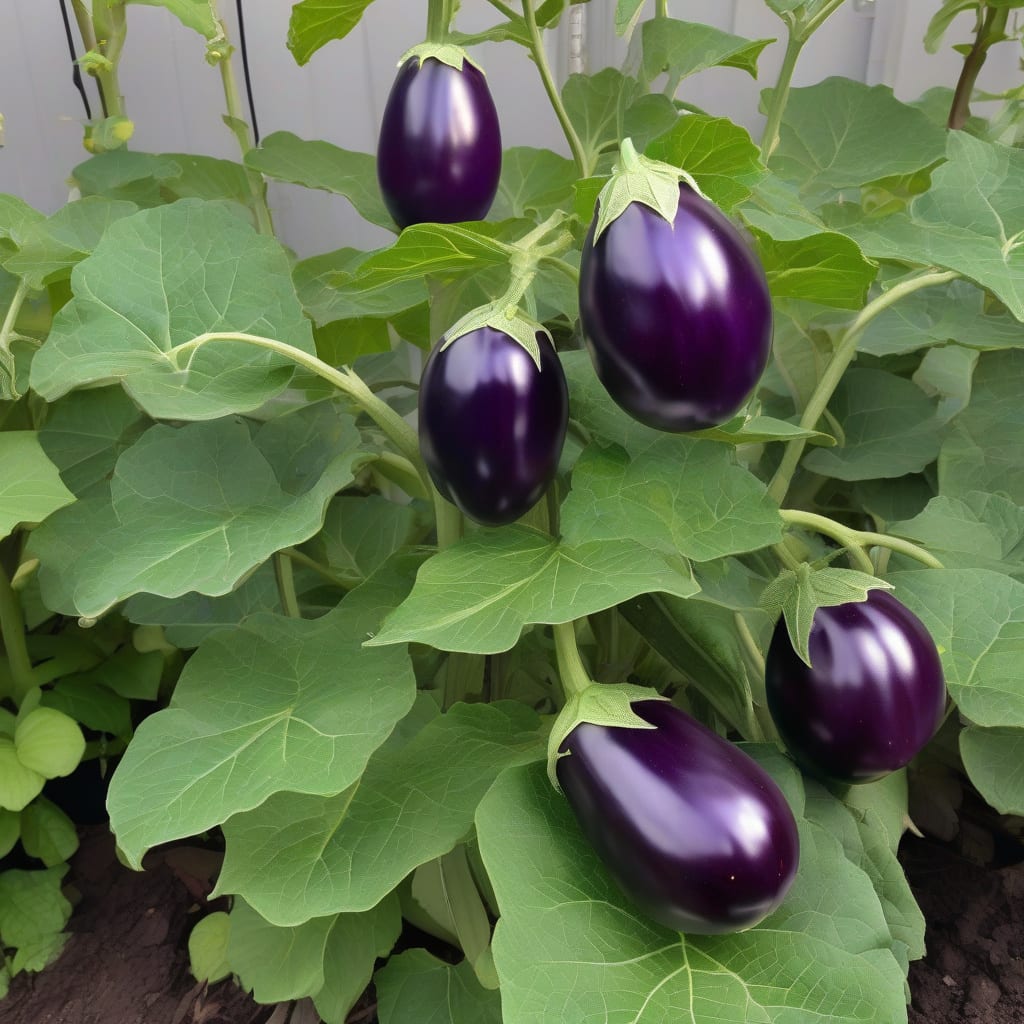
Growing eggplant 🍆 can be a rewarding experience, but have you ever wondered how tall these plants can actually grow? Understanding their growth habits is key to maximizing your harvest and creating the right conditions for success.
In USDA Zone 6, eggplant typically reaches 2-4 feet in height. Proper support and care can help you make the most of your plants’ potential. Let’s explore the factors that influence eggplant height and how to support these plants as they grow.


Eggplant is a warm-season crop that can grow quite tall, typically reaching heights of 2-4 feet. The exact height depends on factors such as variety, growing conditions, and support systems.
In ideal conditions, with proper care and support, eggplant plants can grow even taller. Understanding these factors is crucial for maximizing yield and creating the right conditions for success 🌿.
The variety of eggplant you choose plays a significant role in determining its height. Some varieties are bred to be more compact, while others can grow quite tall. For example, dwarf varieties typically reach 1-2 feet in height, while standard varieties can grow up to 2-4 feet. Understanding the specific needs and characteristics of your chosen variety is essential for optimizing its growth.
To maximize eggplant height, it’s essential to provide optimal growing conditions. This includes ensuring the plants receive full sun (at least 6 hours of direct sunlight), maintaining consistent moisture, and using well-draining, nutrient-rich soil. Proper care and attention to these factors can help the plants reach their full height potential.
In addition to variety and growing conditions, support systems are vital for maximizing eggplant height. Using stakes, trellises, or cages can help keep the plants upright and encourage vertical growth. This support is particularly important as the plants grow taller and begin to bear fruit 🌿.
Eggplant plants benefit from regular watering and fertilization. Consistent moisture levels and a balanced fertilizer can promote healthy growth and help the plants reach their maximum height. It’s also important to monitor for pests and diseases, as these can negatively impact plant health and growth.
Pruning techniques can also influence eggplant height. Removing lower leaves and weak growth can help direct the plant’s energy towards producing fruit and growing taller. Proper pruning can also improve air circulation around the plant, reducing the risk of disease.
By understanding the factors that influence eggplant height and implementing best practices for care and support, gardeners can maximize their eggplant’s growth potential. This not only leads to taller plants but also a more bountiful harvest.
Eggplant is a versatile vegetable that can thrive in various garden setups. Whether you’re growing in containers or in-ground, providing the right conditions and support can help your eggplant plants reach their full height potential and produce a plentiful harvest 🍆.
In conclusion, the height of eggplant plants can vary based on several factors, but with the right care and support, they can grow quite tall. By selecting the appropriate variety, providing optimal growing conditions, and using support systems, gardeners can maximize their eggplant’s height and enjoy a successful harvest.
To maximize eggplant height, gardeners need to focus on creating ideal growing conditions. This includes providing full sun with at least 6 hours of direct sunlight and maintaining consistent moisture levels. Well-draining, nutrient-rich soil is essential for promoting healthy growth 🌱.
Eggplant plants benefit significantly from proper soil preparation. Adding organic matter like compost can improve soil structure and fertility. This helps in developing a strong root system that supports taller growth. Soil pH should be between 6.0 and 6.5 for optimal nutrient uptake 🔍.
Water deeply to encourage deep root growth. Avoid overhead watering to prevent fungal diseases. Water in the morning to allow foliage to dry before nightfall.
Use a balanced fertilizer (10-10-10 NPK) every 4-6 weeks. Start fertilizing when plants begin to flower. This supports both vegetative growth and fruit production.
Remove lower leaves to improve air circulation and reduce disease risk. Prune weak growth to direct energy towards fruiting branches and main stem.
By implementing these expert gardening tips, you can create an optimal growing environment for your eggplant. This will help maximize their height potential and lead to a more bountiful harvest. Regular monitoring and adjustments based on plant response will further enhance growth 🌿.
Eggplant plants require consistent care throughout their growth cycle. Maintaining proper watering schedules and fertilization routines is crucial. This consistent care helps in achieving maximum height and yield.
Maximizing eggplant height is not just about the techniques used but also about understanding the plant’s needs. By providing the right conditions and care, gardeners can enjoy taller, healthier plants with a more abundant harvest 🍆.
When growing eggplant, providing proper support is crucial for maximizing height and yield. Tall eggplant plants can become top-heavy with fruit, making them prone to bending or breaking 🌿.
There are several effective methods for supporting tall eggplant plants. Using stakes, trellises, or cage systems can help keep plants upright and encourage vertical growth. The choice of support system depends on your garden setup and personal preference.
Proper support not only helps in managing plant height but also improves air circulation around the plants, reducing the risk of disease. It also makes harvesting easier by keeping the fruit off the ground 🌼.
When choosing a support system, consider the mature size of your eggplant variety and your garden space. For container gardens, compact support systems like stakes or small cages work well. In larger garden beds, you can use more extensive trellis systems or multiple stakes 🍆.
By providing the right support for your tall eggplant plants, you can enjoy a healthier, more productive harvest. The key is to start supporting the plants early in their growth cycle and to be consistent in your care.
