
Beautiful Plants For Your Interior
Beautiful Plants For Your Interior
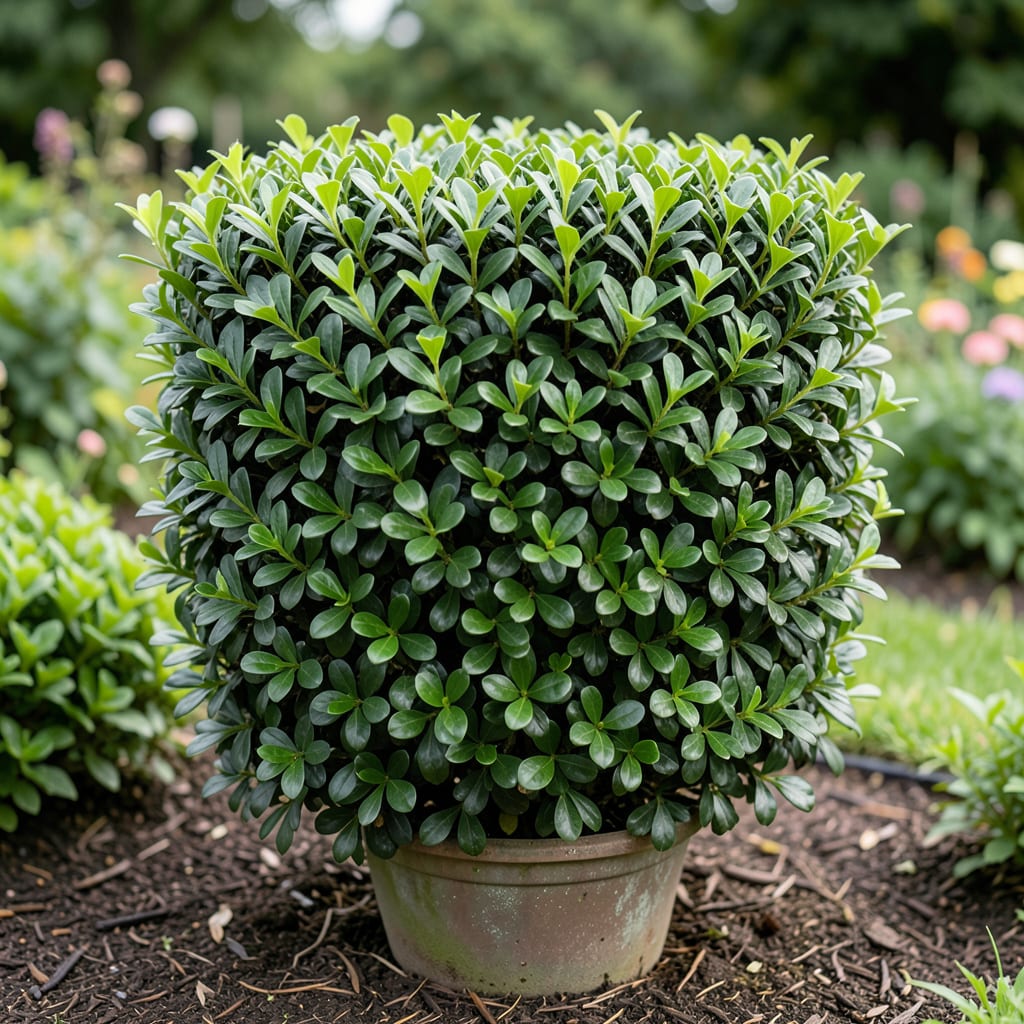
Hedges can transform any garden or landscape, providing privacy, structure, and beauty 🌳. But have you ever wondered just how tall they can grow? The height potential of hedges varies greatly depending on factors like species and maintenance.
For instance, Boxwood 🌳 hedges can grow between 4-8 feet tall. Understanding these growth patterns is key to achieving your desired hedge height. Let’s explore the factors that influence hedge growth and how to maximize their height potential.


The height potential of hedges is influenced by several key factors, including species, climate, and maintenance practices 🌳. Different hedge species have varying growth rates and maximum heights.
For example, Boxwood hedges typically grow between 4-8 feet tall, while other species like Privet or Cypress can reach much greater heights.
Understanding these factors is crucial for gardeners who want to achieve their desired hedge height 🌟. By selecting the right species and providing optimal growing conditions, you can maximize your hedge’s growth potential.
Different hedge species have unique characteristics that affect their growth potential 🌱. For example, some species are naturally more vigorous and can grow taller than others.
Species like Privet and Cypress are known for their rapid growth and ability to reach significant heights.
The climate in which a hedge is grown plays a significant role in determining its height 🌟. Hedges grown in favorable climates with ample sunlight and rainfall tend to grow more vigorously.
Soil quality is another critical factor that influences hedge growth 🌿. Soil that is rich in nutrients and has good drainage supports healthier and more vigorous growth.
Pruning practices are essential for maintaining hedge height and promoting denser growth ✂️. Regular pruning can help control the height of a hedge and encourage it to grow more densely.
By understanding and managing these factors, gardeners can better achieve their desired hedge height and maintain a healthy, attractive hedge 🌳.
Effective hedge maintenance involves a combination of proper pruning, soil care, and monitoring of climate conditions 📚. By following these guidelines, you can ensure your hedges reach their maximum height potential.
Regular monitoring and adjustment of your hedge care routine can help you achieve the desired height and shape for your hedges 🔍.
To encourage hedges to reach their maximum height potential, proper care and maintenance are essential 🌳. Different hedge species have varying growth rates and maximum heights.
For example, Boxwood hedges typically grow between 4-8 feet tall, while other species like Privet or Cypress can reach much greater heights.
Regular pruning helps control height and promotes denser growth. Prune your hedges during their dormant season to minimize stress.
Fertilize your hedges annually with a balanced fertilizer to promote healthy growth. Soil rich in nutrients supports vigorous development.
Maintain consistent moisture levels, especially during dry spells. Proper watering encourages deep root growth and overall health.
By implementing these strategies, you can help your hedges achieve their maximum height potential and maintain a lush, vibrant appearance 🌟.
Regular maintenance is key to maximizing hedge height. This includes monitoring for pests and diseases, and addressing any issues promptly.
Soil quality plays a significant role in hedge growth. Ensure your soil is well-draining and rich in organic matter to support healthy development.
With the right care and attention, your hedges can thrive and reach their full height potential 🌿.
Effective hedge care involves a combination of proper pruning, nutrition, and watering 📚. By following these tips, you can enjoy a beautiful and healthy hedge.
Growing tall hedges requires careful planning and maintenance 🌱. One of the most common mistakes gardeners make is improper pruning techniques.
Pruning at the wrong time or cutting too much at once can stress the plants and limit their growth ✂️. For example, pruning during the active growing season can shock the plant and reduce its height potential.
Prune your hedges during their dormant season to minimize stress and promote healthy growth.
Inadequate watering is another common mistake that can limit hedge growth 💧. Hedges need consistent moisture, especially when they’re young.
Failing to provide enough water can cause stress and slow down growth 📉. On the other hand, overwatering can be equally harmful, leading to root rot and other problems.
Nutrient deficiencies can also impact hedge growth 🌿. Using the right fertilizer at the right time can make a significant difference.
A balanced fertilizer applied annually can promote healthy growth and maximize height potential 🌟.
By avoiding these common mistakes, you can help your hedges reach their full potential and enjoy a lush, vibrant landscape 🌳.
Regular monitoring is key to maintaining healthy hedges. Keep an eye out for signs of stress or disease, and address any issues promptly 🔍.
With proper care and attention, your hedges can thrive and become a beautiful feature in your garden 🌸.
Most hedge species can grow between 4-8 feet tall, but some varieties like Privet or Cypress can reach much greater heights. The maximum height depends on factors like species, climate, and maintenance. Proper care can help maximize their growth potential.
Prune your hedges at least once a year, and more frequently for faster-growing species. Pruning during the dormant season minimizes stress and promotes denser growth. Regular pruning helps maintain the desired height and shape.
While it’s possible to grow hedges in poor soil, nutrient-rich soil with good drainage supports healthier and more vigorous growth. Consider amending your soil with organic matter to improve its quality and promote better hedge growth.
Climate plays a significant role in determining hedge height. Hedges grown in favorable climates with ample sunlight and rainfall tend to grow more vigorously. Be aware of your local climate conditions and adjust your care routine accordingly.
