
Beautiful Plants For Your Interior
Beautiful Plants For Your Interior
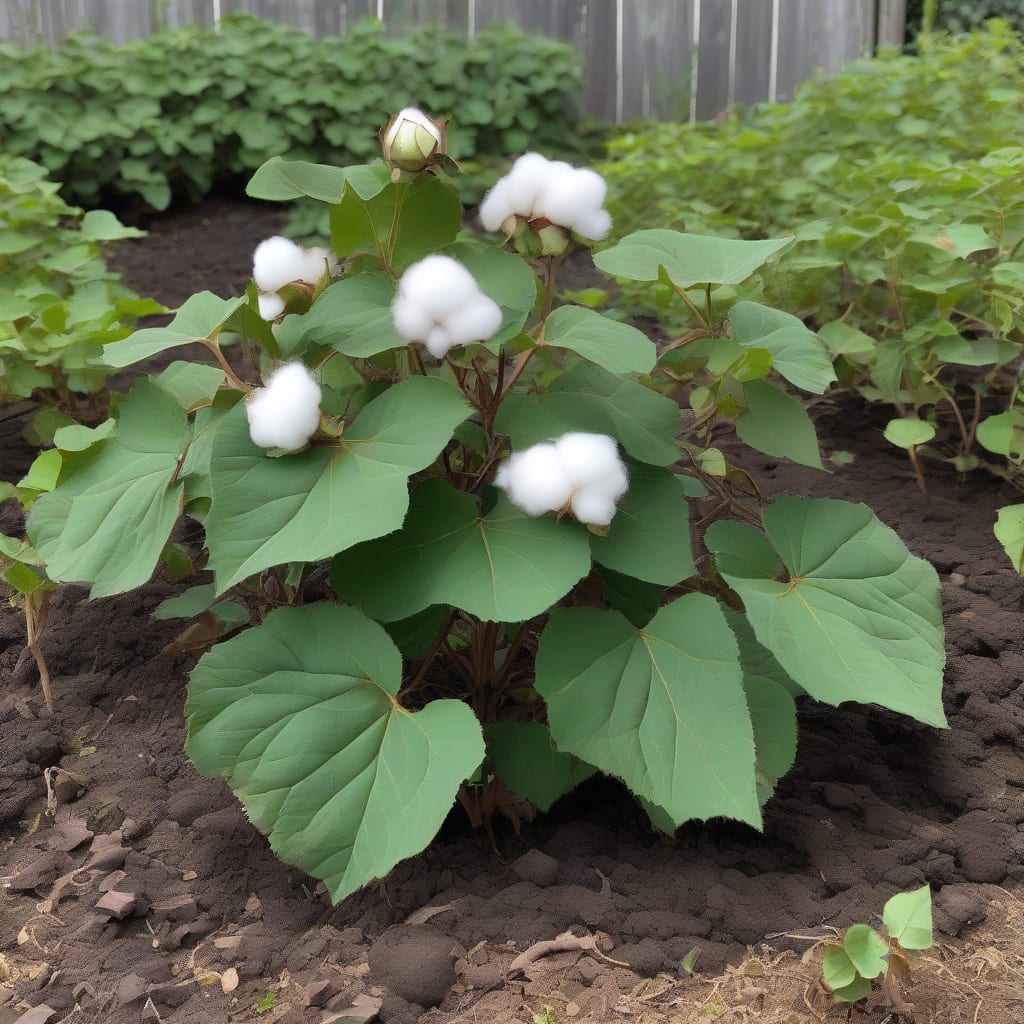
Cotton 🌿 is a versatile crop that can grow to varying heights depending on the variety and growing conditions. In ideal conditions, cotton plants can reach impressive heights, making them a notable presence in any agricultural landscape.
Understanding the factors that influence cotton plant height is crucial for maximizing yield and quality. Let’s explore the key elements that determine how tall cotton can grow and how to optimize them for your crop.

Cotton plant height is influenced by a combination of genetic, environmental, and agricultural factors. Understanding these elements is crucial for optimizing cotton growth 🌿.
The height of cotton plants can vary significantly based on the variety, with some types naturally growing taller than others. Environmental conditions such as temperature, rainfall, and soil quality also play a critical role in determining plant height.
The interplay of these factors determines the overall height of cotton plants. By understanding and managing these elements, farmers can optimize conditions for maximum growth.
Genetic factors set the baseline for potential height, while environmental conditions and agricultural practices influence the actual height achieved. Factors like soil quality and irrigation are crucial for supporting plant growth 🌟.
Cotton plants require specific growing conditions to reach their maximum height potential. These conditions include warm temperatures, adequate moisture, and well-drained soil. By optimizing these factors, farmers can promote healthier and taller cotton plants 🌱.
The maximum height of cotton plants is also influenced by the duration of the growing season. In regions with longer growing seasons, cotton plants have more time to mature and reach greater heights. Conversely, shorter growing seasons may limit the maximum height achievable.
Understanding the factors that influence cotton plant height is essential for developing effective agricultural practices. By considering these elements, farmers can make informed decisions to optimize their cotton crop’s growth and yield 📈.
In summary, the height of cotton plants is a complex trait influenced by multiple factors. By understanding and managing these factors, farmers can promote optimal growth and maximize their cotton yield 🌼.
Effective management of cotton plant height requires a comprehensive approach that considers genetic, environmental, and agricultural factors. By optimizing these elements, farmers can achieve better crop outcomes and improve their overall yield 📊.
Cotton plants come in various types, each with its unique growth characteristics. The height potential of cotton varieties can differ significantly based on factors such as genetics and growing conditions 🌿.
Understanding the maximum height potential of different cotton varieties is essential for farmers and agricultural practitioners. This knowledge helps in selecting the most suitable variety for specific growing conditions and optimizing crop management practices.
The height potential of cotton varieties is influenced by both genetic factors and environmental conditions. Understanding these factors is crucial for optimizing cotton growth and yield 🌼.
Upland cotton is one of the most commonly grown varieties worldwide. It typically grows to heights between 3 to 4 feet, with a maximum potential height of up to 6 feet under ideal conditions.
Pima cotton, known for its extra-long staple fibers, generally grows taller than upland cotton. It can reach heights between 4 to 5 feet on average, with some plants achieving heights of 6 to 7 feet in optimal growing conditions.
Genetically modified cotton varieties exhibit a wide range of growth characteristics. Their height potential can vary significantly based on the specific genetic modifications and growing conditions. Some genetically modified cotton plants can reach heights of up to 8 feet.
The genetic makeup of cotton plants plays a crucial role in determining their height potential. Varieties bred for specific traits, such as disease resistance or improved fiber quality, may exhibit different growth patterns.
Environmental factors, including temperature, rainfall, and soil quality, also significantly impact the height potential of cotton plants. Optimal growing conditions can help cotton plants reach their maximum height potential 🌱.
Farmers and agricultural practitioners can optimize cotton plant height by selecting appropriate varieties for their growing conditions and implementing effective crop management practices.
By understanding the maximum height potential of different cotton varieties, growers can make informed decisions about variety selection and crop management strategies to maximize yield and quality 📈.
Cotton plants require specific growing conditions to reach their maximum height potential. Understanding these conditions is crucial for farmers and agricultural practitioners to optimize their cotton crop’s growth 🌿.
Soil quality plays a significant role in determining cotton plant height. Nutrient-rich soil with good drainage supports healthier and taller plants. Farmers should test their soil regularly to determine its nutrient content and pH level.
Ensure adequate irrigation during critical growth stages to promote taller cotton plants. Monitor soil moisture levels regularly to avoid overwatering or underwatering.
Irrigation management is another critical factor in optimizing cotton growth. Cotton plants need consistent moisture, especially during flowering and boll formation stages. Farmers should implement efficient irrigation systems to supply the right amount of water at the right time.
Nutrient management is also essential for promoting healthy cotton growth. Farmers should apply balanced fertilizers based on soil test results to ensure that their cotton plants receive the necessary nutrients for optimal growth.
By optimizing growing conditions, including soil quality, irrigation, and nutrient management, farmers can promote healthier and taller cotton plants, ultimately leading to improved yields and better crop quality 📈.
