
Beautiful Plants For Your Interior
Beautiful Plants For Your Interior
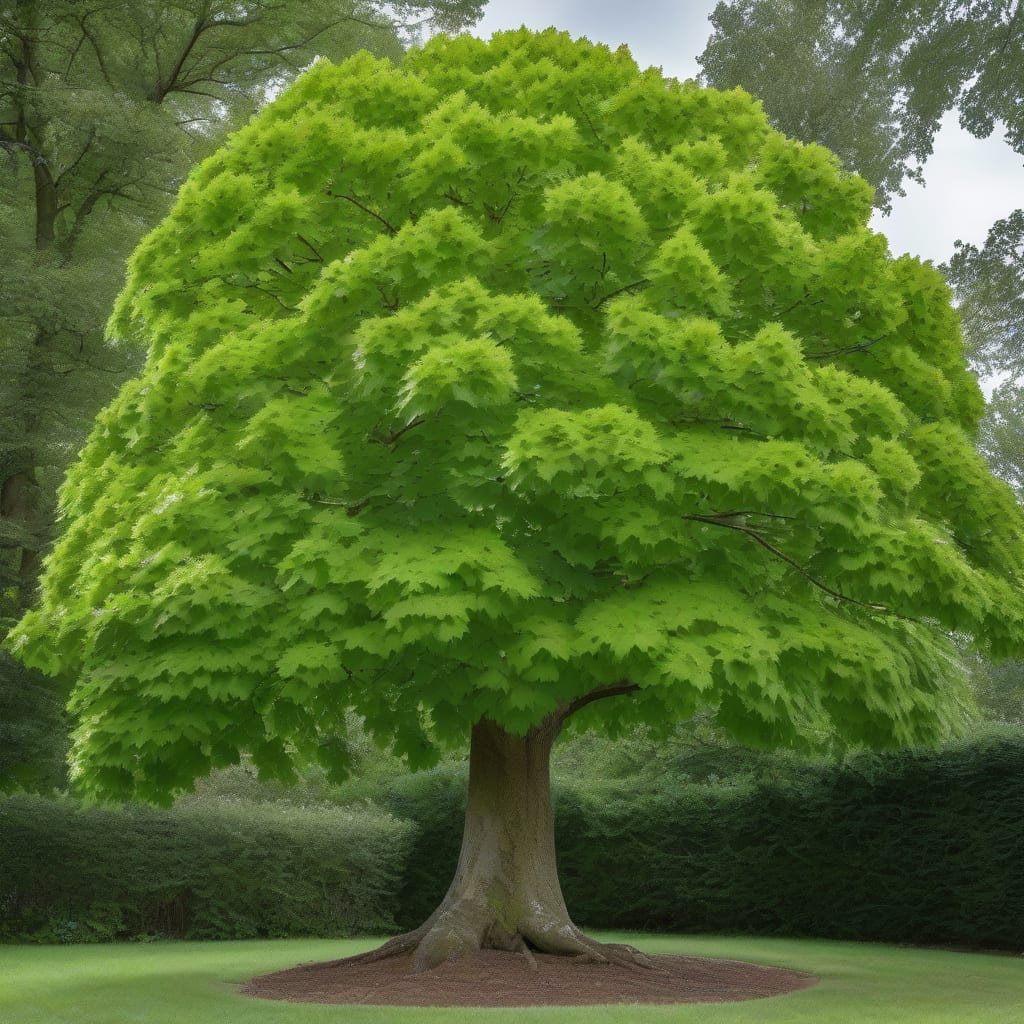
I’ve always been fascinated by the majestic Sycamore 🌳 tree, known for its impressive size and stature. These trees can grow to be quite tall, but what factors influence their maximum height?
Understanding how tall Sycamore trees can grow helps gardeners in USDA Zone 6 plan their landscape effectively. Let’s explore the average height, growth rate, and factors that impact their overall growth.

2-5 ft

5-10 ft

10-20 ft

50-100 ft
Sycamore trees are known for their impressive size and stature, but several factors influence their maximum height. Understanding these factors helps gardeners plan their landscape effectively 🌳.
The height of a Sycamore tree is influenced by environmental and genetic factors. Soil quality, climate conditions, and species variations all play a significant role in determining how tall these trees can grow.
In terms of soil quality, Sycamore trees prefer well-draining soil rich in nutrients. This type of soil supports healthy root development, which is essential for the tree to reach its maximum height. The quality of the soil directly affects the tree’s ability to absorb water and nutrients, thereby influencing its growth rate.
Climate conditions are another critical factor. Sycamore trees are adapted to temperate climates with adequate moisture. Regions with high rainfall and moderate temperatures typically support the optimal growth of these trees, enabling them to achieve their full height potential.
Species variations also contribute to the differences in height among Sycamore trees. Some species are naturally taller and have a faster growth rate than others. Understanding the specific characteristics of the Sycamore species in question can provide insights into its potential height.
The age of the tree is another factor that affects its height. Sycamore trees typically reach their maximum height between 50 to 100 years of age. During this period, they undergo significant growth, especially during the first few decades.
Pruning practices can also influence the height of a Sycamore tree. Regular pruning can help control the tree’s height and shape, making it a crucial aspect of landscaping and garden management.
Additionally, genetic factors play a role in determining the height of Sycamore trees. Some trees are genetically predisposed to grow taller than others, regardless of environmental conditions.
Overall, the height of a Sycamore tree is the result of a combination of environmental and genetic factors. By understanding these factors, gardeners can better manage their Sycamore trees and create a landscape that showcases these magnificent trees 🌳.
For gardeners in USDA Zone 6, understanding these factors is particularly important. The local climate and soil conditions can significantly impact the growth of Sycamore trees, and being aware of these conditions can help in making informed decisions about tree care and maintenance.
By considering these factors and providing the appropriate care, gardeners can help their Sycamore trees achieve their maximum height potential, creating a stunning addition to any landscape 🌳.
Sycamore trees are known for their impressive height, with some species reaching up to 100 feet or more in ideal conditions 🌳. The maximum height potential of Sycamore trees varies depending on the specific species and environmental factors.
The American Sycamore is known for its impressive height, often reaching between 80 to 100 feet in optimal conditions. This species is native to North America and is commonly found along rivers and streams, where it can take advantage of abundant water resources 🌟.
In contrast, the European Sycamore typically grows to be between 60 to 80 feet tall. While not as tall as the American Sycamore, it still provides a significant canopy and is often used in landscaping for its attractive foliage 🌿.
Factors influencing the height of Sycamore trees include soil quality, climate, and available sunlight. Trees growing in areas with rich, moist soil and full sun tend to reach greater heights than those in less favorable conditions 🌞.
Understanding the maximum height potential of different Sycamore species helps gardeners and landscapers make informed decisions about which trees to plant and how to care for them 🌳.
For gardeners in USDA Zone 6, selecting the right Sycamore species and providing appropriate care can result in these trees reaching their full height potential, creating a stunning addition to any landscape 🌟.
By considering the specific characteristics of different Sycamore species and the environmental conditions in your area, you can choose the best tree for your needs and enjoy its beauty for years to come 🌿.
I understand that managing the height of Sycamore trees is crucial for maintaining a beautiful and functional landscape. These trees can grow quite tall, but with proper care, you can control their height and shape 🌳.
To manage Sycamore tree height effectively, it’s essential to understand the importance of pruning practices. Regular pruning helps control the tree’s height, promotes healthy growth, and enhances its overall appearance.
Prune your Sycamore tree during its dormant season to minimize stress and promote healthy growth. Remove any dead or damaged branches to maintain the tree’s overall health 🌟.
When it comes to pruning techniques, there are several methods you can use to control the height of your Sycamore tree. These include crown reduction, thinning, and reduction pruning. Each technique has its benefits and should be used based on the specific needs of your tree 🌿.
Crown reduction involves reducing the overall size of the tree’s canopy. This technique is useful for maintaining a balanced shape and controlling the tree’s height. It’s essential to make precise cuts to avoid damaging the tree 🌟.
Thinning involves selectively removing branches to allow more sunlight to penetrate the canopy. This technique helps maintain the tree’s natural shape while promoting healthy growth 🌞.
Reduction pruning is a more aggressive technique that involves cutting back the tree’s branches to a lateral bud or a lateral branch. This method is useful for significantly reducing the tree’s height, but it should be done with caution to avoid stressing the tree 🌳.
By understanding and applying these pruning techniques, you can effectively manage the height of your Sycamore tree and maintain a beautiful landscape 🌿.
For gardeners in USDA Zone 6, regular maintenance and pruning are key to keeping Sycamore trees healthy and well-shaped. By following these tips, you can enjoy the beauty of your Sycamore tree for years to come 🌟.
