
Beautiful Plants For Your Interior
Beautiful Plants For Your Interior
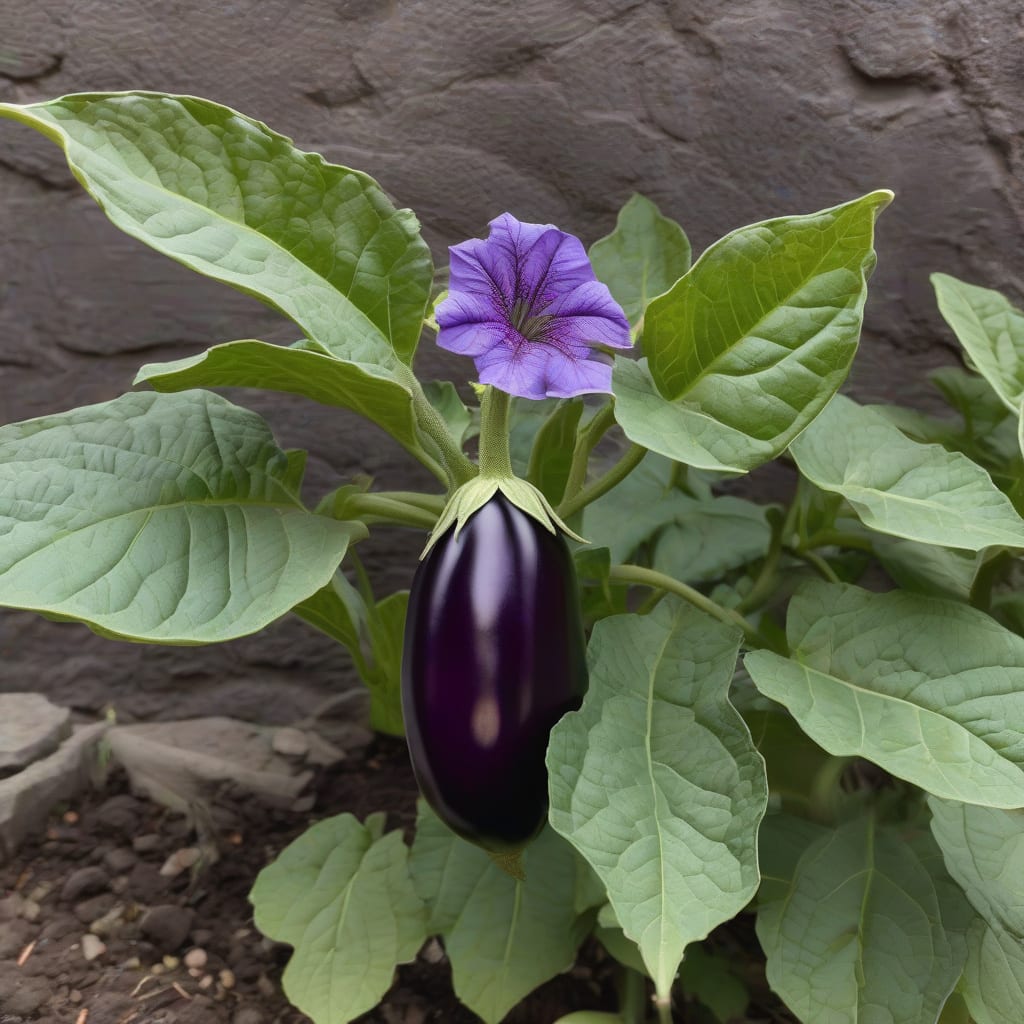
Growing eggplant 🍆 can be a rewarding experience, but have you ever wondered how tall these plants can actually grow? In USDA Zone 6, eggplant plants typically reach 2-4 feet in height.
Understanding their growth patterns is key to maximizing your yield. I’ll share expert tips on how to support these tall plants and optimize their growth for a bountiful summer harvest.


Eggplant plants can grow quite tall, typically reaching heights of 2-4 feet. The exact height depends on factors like variety, growing conditions, and care. Some compact varieties remain smaller, while others can grow even taller.
The average height of eggplant plants is influenced by soil quality, sunlight exposure, and watering practices. Understanding these factors is crucial for maximizing yield and ensuring healthy plant growth 🌱.
Eggplant plants require full sun to grow well, needing at least 6 hours of direct sunlight daily. The soil should be well-draining and rich in organic matter to support healthy growth.
Soil temperature is another critical factor. Eggplant plants thrive when the soil temperature is above 65°F (18°C). This usually occurs in late spring to early summer in most regions 🌞.
Proper watering is essential. Eggplant plants need consistent moisture, especially when they’re producing fruit. However, overwatering can lead to root rot and other issues 💧.
The variety of eggplant also plays a significant role in determining the plant’s height. Some varieties are bred to be more compact, while others are known for their vigorous growth.
By understanding these factors and providing optimal growing conditions, you can help your eggplant plants reach their full potential and enjoy a bountiful harvest 🌼.
Eggplant plants are heavy feeders and benefit from regular fertilization. A balanced fertilizer applied every 3-4 weeks can support their growth and fruit production.
Pest management is another important aspect of growing eggplant. Keep an eye out for pests like aphids and flea beetles, and use organic control methods whenever possible.
With proper care and attention, eggplant plants can be a rewarding addition to any garden, providing delicious fruit throughout the summer months 🍆.
In summary, eggplant plants can grow quite tall, typically reaching heights of 2-4 feet. By providing optimal growing conditions and proper care, you can help your plants thrive and enjoy a successful harvest.
To maximize eggplant plant growth, it’s essential to provide optimal growing conditions. This includes ensuring the plants receive adequate sunlight, typically 6-8 hours of direct sunlight per day 🌞.
Soil quality is another critical factor. Eggplant plants prefer well-draining, fertile soil rich in organic matter. Amending the soil with compost or well-rotted manure can significantly improve soil fertility and drainage 🌱.
Test your soil pH and adjust it if necessary. Eggplant prefers a slightly acidic to neutral soil pH (around 6.0-7.0).
Feed your eggplant plants with a balanced fertilizer every 3-4 weeks. This promotes healthy growth and fruit production.
Maintain consistent moisture levels. Eggplant plants need about 1-2 inches of water per week, either from rainfall or irrigation 💧.
In addition to these tips, pruning and training your eggplant plants can help maximize their growth. Remove any weak or spindly growth to promote a stronger, more productive plant 🌿.
By following these expert tips and techniques, you can enjoy a bountiful harvest of delicious eggplants. Happy gardening! 🌼
Eggplant plants are warm-season crops and thrive in temperatures between 65°F and 85°F (18°C and 30°C). Avoid exposing them to frost, as it can damage or kill the plants ❄️.
Supporting tall eggplant plants is also crucial. Use stakes or trellises to keep the plants upright and encourage better fruiting. This is especially important for taller varieties that may become top-heavy with fruit 🌳.
In summary, maximizing eggplant plant growth requires attention to detail and a commitment to providing optimal growing conditions. By following these tips, you can enjoy a successful harvest of delicious eggplants 🍆.
Tall eggplant plants need proper support to prevent damage and promote healthy fruiting. Using stakes or trellises can help keep the plants upright and encourage better fruit production 🌳.
Staking is a simple and effective method. Drive a sturdy stake into the ground near the base of the plant, being careful not to damage the roots. Gently tie the main stem to the stake using soft ties or twine. This helps prevent the plant from becoming too top-heavy and reduces the risk of stem breakage 🌼.
Pruning is another crucial technique for managing tall eggplant plants. Remove any weak or spindly growth to promote a stronger, more productive plant. This also helps improve air circulation, reducing the risk of disease 🌿.
By combining staking and pruning, you can effectively support your tall eggplant plants and enjoy a bountiful harvest of delicious eggplants 🍆.
Regularly inspect your plants for signs of stress or disease, and take action promptly to prevent any issues from spreading 🌻.
In summary, supporting tall eggplant plants through staking and pruning is essential for maximizing their growth and productivity. By following these strategies, you can enjoy a successful harvest of healthy, delicious eggplants 🌼.
