
Beautiful Plants For Your Interior
Beautiful Plants For Your Interior
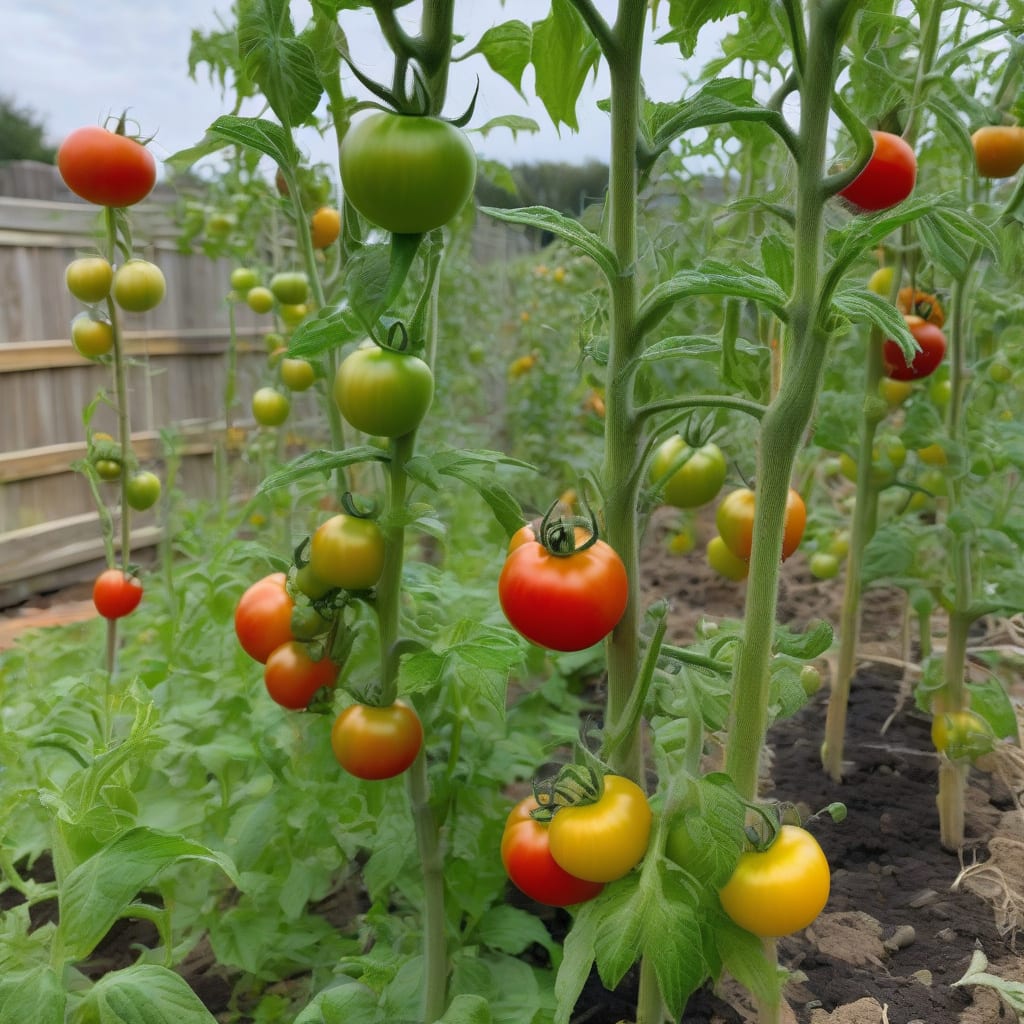
Growing a tomato plant 🍅 can be a rewarding experience, especially when you see it reach its full height. In ideal conditions, these plants can grow surprisingly tall – some varieties can even reach heights of 6 feet or more with proper support and care.
Understanding how to maximize your tomato plant‘s growth potential is key to a bountiful harvest. By providing the right growing conditions and support, you can help your tomato plants thrive and produce plenty of delicious fruit throughout the summer.


Tomato plants can grow to varying heights depending on several key factors. Understanding these factors is crucial for maximizing their growth potential and achieving a bountiful harvest. The main factors that influence tomato plant height include the variety of tomato, growing conditions, and support systems.
The variety of tomato plant is a significant determinant of its potential height. Determinate varieties typically grow to a certain height, usually around 2-3 feet, and then stop. In contrast, indeterminate varieties can continue to grow throughout the season, often reaching heights of 6 feet or more with proper support.
Growing conditions play a critical role in determining how tall a tomato plant can grow. Full sun is essential, with tomato plants requiring at least 6 hours of direct sunlight per day. Soil quality is also vital; well-draining, fertile soil rich in organic matter supports healthy growth. Adequate water supply is another crucial factor, as consistent moisture helps plants grow robustly.
Support Systems: Using trellises, cages, or stakes can help plants grow taller and healthier. These supports allow the plants to grow vertically, making the most of the available space and promoting better air circulation, which can help prevent diseases.
In addition to these factors, pruning and training techniques can also influence tomato plant height. Removing lower leaves and weak growth can direct the plant’s energy towards producing fruit and growing taller. Training the plant to grow up a support can also encourage vertical growth.
By understanding and managing these factors, gardeners can optimize the growing conditions for their tomato plants, potentially achieving impressive heights and a plentiful harvest. The right combination of variety selection, growing conditions, and support can make a significant difference in the overall performance of the plants.
It’s also worth noting that different tomato varieties have different growth habits. Some are naturally more compact, while others are bred for their vigorous growth and ability to produce fruit over a long season. Choosing the right variety for your needs and growing conditions is a crucial step in achieving the desired height and yield.
Furthermore, maintaining consistent soil moisture and providing balanced fertilization can support healthy growth. Tomato plants are heavy feeders and benefit from regular fertilization, especially when they are producing fruit.
In summary, the height of a tomato plant is influenced by a combination of genetic and environmental factors. By selecting the appropriate variety, providing optimal growing conditions, and using effective support systems, gardeners can encourage their tomato plants to reach their full height potential.
Effective gardening practices, including proper watering, fertilization, and pruning, can further enhance the growth and productivity of tomato plants. With careful attention to these details, gardeners can enjoy a successful and bountiful harvest.
Overall, growing tomato plants to their maximum height requires a comprehensive approach that addresses all aspects of their growth. By focusing on the key factors that influence height and implementing supportive gardening practices, gardeners can achieve impressive results.
To maximize the height of your tomato plants, it’s essential to provide them with the right conditions and care. Proper pruning is a critical technique that helps control the plant’s shape and encourages vertical growth. By removing lower leaves and weak growth, you can direct the plant’s energy towards producing fruit and growing taller 🌿.
Use sturdy trellises or cages that can support the plant’s weight as it grows taller.
Keep the soil consistently moist but not waterlogged to promote healthy root development.
Use a balanced fertilizer to provide essential nutrients that support vigorous growth.
In addition to these techniques, mulching around the plants can help retain soil moisture and regulate temperature, creating a more favorable growing environment. It’s also important to monitor for pests and diseases, as these can significantly impact the plant’s ability to grow tall and produce fruit.
By implementing these expert gardening tips, you can encourage your tomato plants to reach their full height potential and enjoy a bountiful harvest. Remember, the key to maximizing height is a combination of proper care, support, and attention to the plant’s needs 🌼.
Furthermore, regularly inspecting your plants for signs of stress or disease can help you address issues promptly and keep your plants healthy. This proactive approach can make a significant difference in the overall performance of your tomato plants.
Overall, maximizing the height of your tomato plants requires a comprehensive approach that includes proper support, consistent watering, and regular fertilization. By following these expert tips, you can achieve impressive results in your garden.
Growing tomato plants to their maximum height requires avoiding common mistakes that can limit their growth. One of the most significant errors is inadequate support, which can cause plants to become leggy and prone to disease. Providing proper support through trellises, cages, or stakes is essential for promoting vertical growth.
Inadequate support, poor watering practices, and insufficient sunlight can all limit tomato plant growth.
Another critical mistake is poor watering practices. Tomato plants require consistent moisture, especially when they’re producing fruit. Inconsistent watering can lead to blossom end rot and other growth issues. It’s essential to water deeply and regularly, ensuring the soil remains moist but not waterlogged.
Insufficient sunlight is another common error. Tomato plants need at least 6 hours of direct sunlight per day to grow well. If your plants are not receiving enough sunlight, consider relocating them to a sunnier location or supplementing with grow lights.
By avoiding these common mistakes and providing proper care, you can help your tomato plants reach their full height potential and enjoy a bountiful harvest. Regular monitoring and adjustments to your gardening practices can make a significant difference in the overall health and productivity of your plants 🌼.
Additionally, being mindful of pest management and disease prevention is crucial. Regularly inspect your plants for signs of pests or disease, and take action promptly to prevent issues from escalating.
By following these guidelines and avoiding common pitfalls, you can create an optimal growing environment for your tomato plants, helping them achieve their maximum height and produce a plentiful harvest 🌿.
