
Beautiful Plants For Your Interior
Beautiful Plants For Your Interior
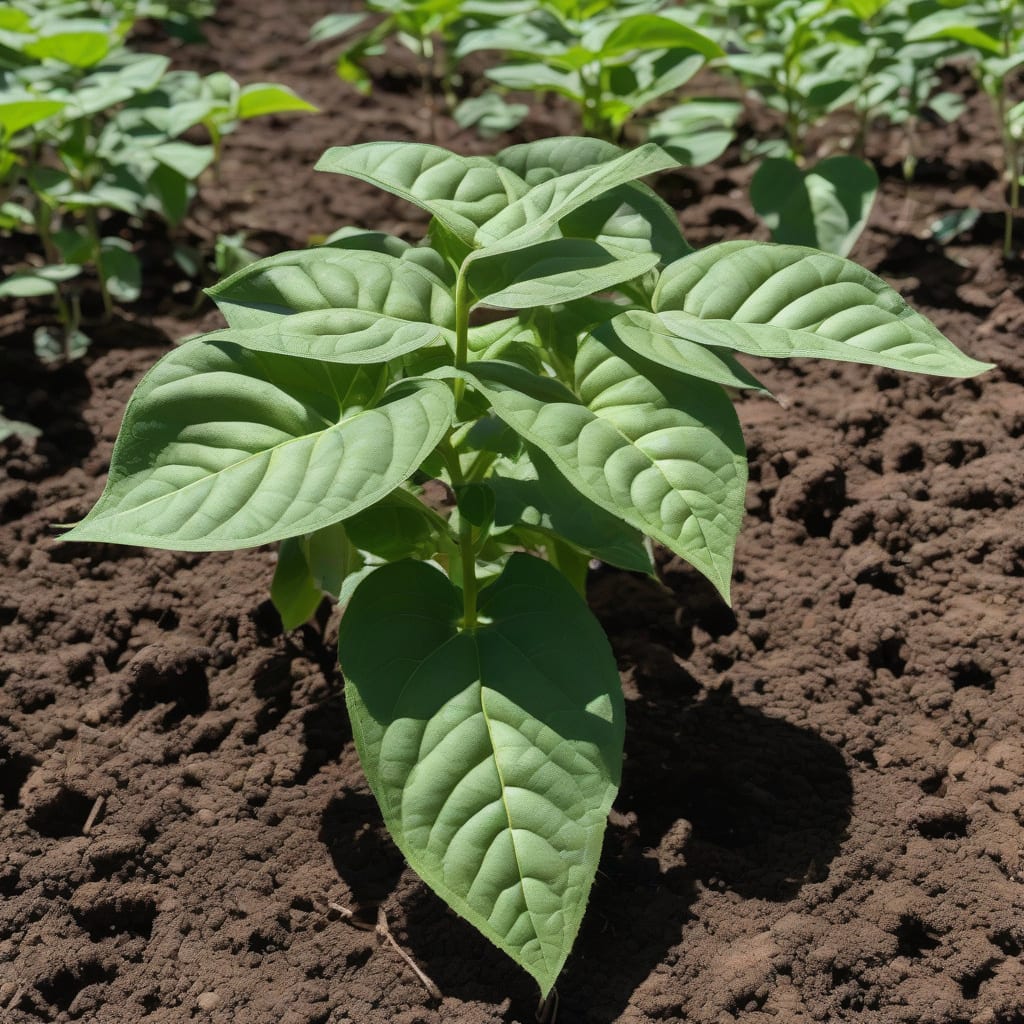
When growing Soybeans 🌽 in USDA Zone 6, understanding their height potential is crucial for maximizing yield. The height of Soybeans can vary significantly based on factors like variety and growing conditions.
Soybeans typically grow between 2 to 6 feet tall, with some varieties reaching even greater heights under optimal conditions. Let’s explore what influences their growth and how to optimize it for better results.

2-4 ft

2-6 ft

2-6 ft

2-6 ft
Soybean height is influenced by multiple factors that can be broadly categorized into genetics, environmental conditions, and farming practices. Understanding these factors is crucial for maximizing yield and planning effective garden space 🌽.
The genetic makeup of soybean varieties plays a significant role in determining their height. Some varieties are naturally taller or shorter due to their breeding history and genetic traits. Farmers and gardeners should choose varieties that are well-suited to their specific growing conditions.
Environmental conditions such as temperature, moisture levels, and sunlight exposure significantly impact soybean height. Soybeans require adequate moisture and optimal temperatures to grow to their full potential. Regions with full sun and well-drained soil tend to produce healthier and taller soybean plants 🌻.
Farming practices, including planting density and nutrient management, also play a critical role. Proper spacing ensures that each plant receives sufficient light and nutrients, while balanced fertilization supports healthy growth. Farmers often adjust these practices based on the specific variety and local growing conditions 🌱.
The height of soybeans can also be influenced by the presence of pests and diseases, which can stunt growth if not properly managed. Effective pest control measures and disease management strategies are essential for maintaining optimal plant height and overall health 🌿.
By understanding and managing these factors, farmers and gardeners can optimize soybean height for better yield and easier harvesting. Proper management techniques can help achieve the desired height while maintaining plant health 🔥.
Different soybean varieties exhibit a range of height characteristics. Some are bred for height while others focus on yield or disease resistance. Understanding these characteristics helps in selecting the right variety for specific needs.
Environmental factors like temperature and moisture continue to play a crucial role in soybean development. Optimal conditions lead to better growth and higher yields.
Farmers must balance planting density with available resources like light and nutrients. This balance is key to achieving optimal soybean height and yield.
Effective management of soybean height involves careful planning and execution of farming practices. This includes monitoring for pests and diseases, and adjusting practices as needed.
By focusing on these key areas, soybean growers can achieve optimal height and maximize their yield. Proper management leads to healthier plants and better overall performance 🌼.
The combination of genetics, environmental conditions, and farming practices ultimately determines soybean height. Understanding these elements is essential for successful cultivation 🌱.
Soybean height can vary significantly based on the specific variety and growing conditions. On average, soybeans typically grow between 2 to 6 feet tall. Some varieties, particularly those bred for maximum yield, can reach heights of up to 6 feet or more under optimal conditions 🌽.
Most soybean varieties grow between 2 to 4 feet tall, making them suitable for a variety of farming conditions.
Some soybean varieties can reach heights of up to 6 feet or more when grown in ideal conditions with proper care.
The height of soybean plants is influenced by both genetic factors and environmental conditions. Farmers can optimize soybean height by selecting appropriate varieties and providing optimal growing conditions 🌱.
Understanding the expected height range for different soybean varieties helps farmers plan their crop management strategies more effectively. This includes considerations for planting density, support structures, and harvesting techniques 🌾.
By recognizing the potential height of their soybean crop, farmers can make informed decisions about how to maximize yield and ensure efficient harvesting practices. Proper planning and management can lead to better overall crop performance 🔥.
Different soybean varieties have been developed to thrive in various conditions, affecting their height. Some are bred for height while others focus on yield or disease resistance. Understanding these characteristics helps in selecting the right variety for specific needs.
Environmental factors like temperature and moisture continue to play a crucial role in soybean development. Optimal conditions lead to better growth and higher yields.
Farmers must balance planting density with available resources like light and nutrients. This balance is key to achieving optimal soybean height and yield.
To manage soybean height effectively and maximize yield, farmers can employ several key strategies. First, selecting the right soybean variety is crucial as different varieties have inherent height characteristics 🌽.
Optimize soybean height by adjusting planting density and practicing effective nutrient management. These techniques help achieve the desired height while maintaining overall plant health.
Planting density is a critical factor in managing soybean height. Proper spacing ensures that each plant receives adequate light and nutrients, promoting healthy growth. Farmers should adjust planting density based on the specific variety and local growing conditions 🌱.
Nutrient management also plays a vital role. Balanced fertilization supports healthy growth and can influence soybean height. Farmers should consider soil conditions and the nutritional needs of their soybean crop when planning fertilization strategies.
By understanding and managing these factors, farmers can optimize soybean height for better yield and easier harvesting. Proper management techniques can help achieve the desired height while maintaining plant health 🔥.
Effective management of soybean height involves careful planning and execution of farming practices. This includes monitoring for pests and diseases, and adjusting practices as needed to maintain optimal plant height and overall health.
By focusing on these key areas, soybean growers can achieve optimal height and maximize their yield. Proper management leads to healthier plants and better overall performance 🌼.
