
Beautiful Plants For Your Interior
Beautiful Plants For Your Interior
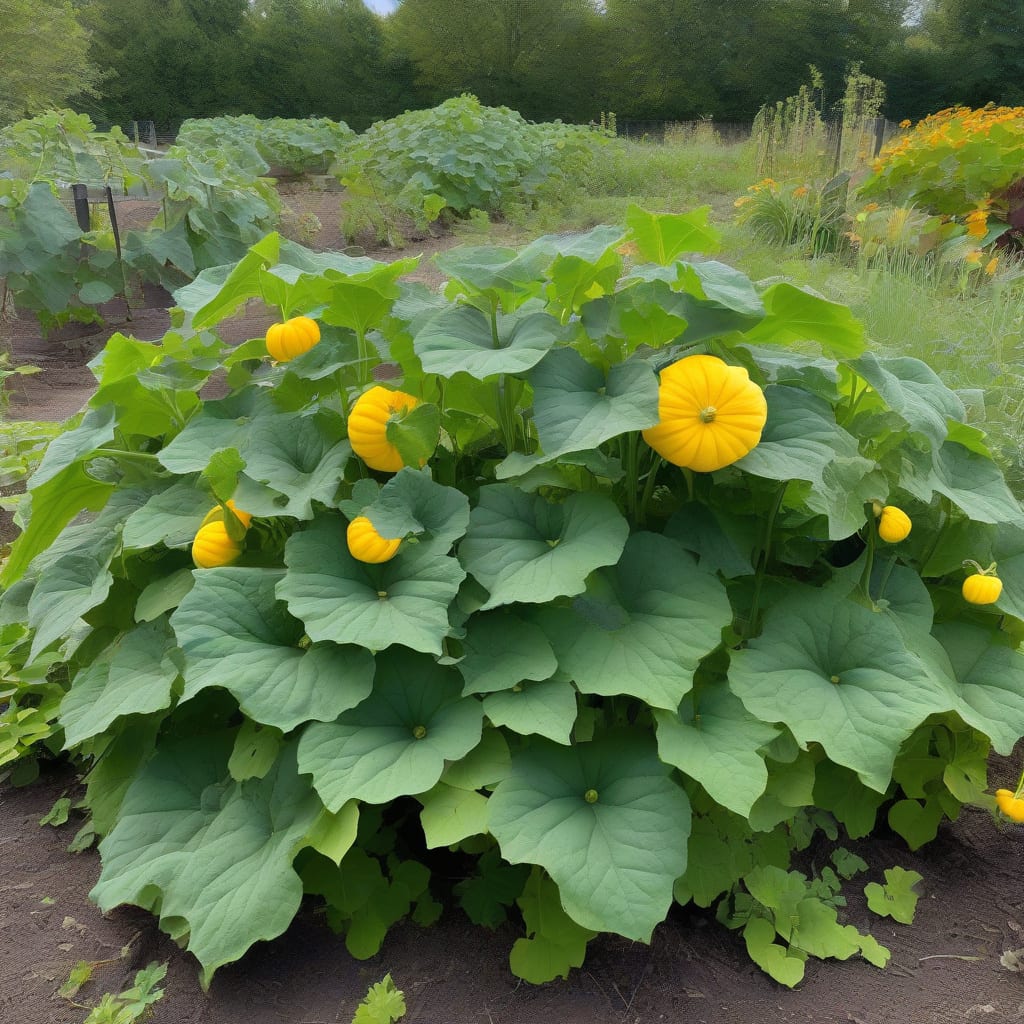
As I tend to my garden, I’m always amazed by how quickly Squash 🎃 plants can spread. In USDA Zone 6, these vigorous growers can reach impressive heights, sometimes stretching 3-6 feet tall and wide if left unmanaged.
Understanding how tall Squash grows and how to support its growth is crucial for maximizing yield. Let’s explore the factors that influence Squash height and discover practical tips for keeping these plants healthy and productive.


Squash plants are known for their vigorous growth and ability to spread quickly in gardens. The height to which squash grows can vary significantly based on the variety and growing conditions.
Squash varieties are generally categorized into two main types: bush and vining. Bush varieties tend to be more compact, growing to heights of around 2-3 feet, while vining varieties can spread much further, often reaching lengths of 6 feet or more as they climb up trellises or other supports. 🌱
The growth habit of squash plants is influenced by factors such as soil quality, sunlight exposure, and watering practices. Squash plants thrive in well-draining soil rich in organic matter and require full sun to produce a bountiful harvest.
Soil preparation is key to supporting healthy squash growth. Incorporating compost or well-rotted manure into the soil before planting can improve its fertility and drainage, promoting robust plant development. 💦
The amount of sunlight squash receives also plays a critical role in its growth. Squash plants require at least 6 hours of direct sunlight per day. Inadequate sunlight can result in leggy growth and reduced yields.
Watering practices should ensure that the soil remains consistently moist but not waterlogged. Squash plants have deep roots and benefit from deep watering once or twice a week, depending on weather conditions.
Understanding these factors helps gardeners manage their squash plants effectively, whether they are growing bush or vining varieties.
By providing the right growing conditions and support, gardeners can maximize the height and yield of their squash plants, ensuring a productive and healthy harvest. 🌼
Squash plants are a versatile and rewarding addition to any garden, offering a range of growth habits to suit different gardening styles and spaces.
With proper care and attention to their growth needs, squash plants can thrive and provide a bountiful harvest throughout the growing season.
When growing squash, managing their height and spread is crucial for maximizing garden space and yield. I find that using the right techniques can make a significant difference in how productive my squash plants are.
Training squash vines vertically is an effective way to save space and increase yield. By providing support, you can direct the plant’s growth upwards, making the most of your garden’s vertical space. This method is particularly useful for vining varieties that tend to spread widely if left unchecked.
Provide a sturdy trellis or cage for the squash vines to climb. Ensure it’s at least 6 feet tall to accommodate the plant’s full growth potential.
Gently guide the squash vines towards the trellis or cage. Use soft ties or twine to secure the vines to the support, being careful not to damage the plant.
Regularly prune the squash plant to remove excess foliage and encourage air circulation. This helps prevent disease and promotes healthier growth.
Pruning is another important aspect of managing squash height. By removing excess foliage, you can improve air circulation around the plants, reducing the risk of disease and promoting healthier growth. Pruning also helps direct the plant’s energy towards fruit production.
Companion planting can also play a role in managing squash growth. Planting complementary crops like marigolds or nasturtiums around your squash can help deter pests and improve overall garden health.
By implementing these strategies, you can effectively manage the height and spread of your squash plants, ensuring they remain healthy and productive throughout the growing season 🌼.
Regular maintenance is key to successful squash cultivation. Keep an eye on your plants’ growth and adjust your training and pruning techniques as needed to optimize space and yield.
With the right approach, you can enjoy a bountiful harvest of delicious squash while making the most of your garden space 🌻.
To maximize squash yield, it’s essential to provide proper care and maintenance throughout the growing season. I focus on three key areas: watering, fertilizing, and pest management.
Watering is critical for healthy squash growth. I ensure the soil remains consistently moist but not waterlogged. Squash plants have deep roots and benefit from deep watering once or twice a week, depending on weather conditions.
Water your squash plants in the morning to allow the plants to absorb the water throughout the day. Avoid getting water on the leaves to prevent fungal diseases.
Fertilizing is another crucial aspect of squash care. I use a balanced fertilizer (10-10-10 NPK) every 3-4 weeks to promote healthy growth and fruit production. The first application is typically done at planting time, followed by subsequent applications as needed.
Pest management is also vital to prevent damage to squash plants. Common pests include squash bugs, cucumber beetles, and powdery mildew. I use a combination of companion planting, crop rotation, and organic pest control methods to manage these issues.
By following these care and maintenance tips, you can enjoy a bountiful harvest of delicious squash while keeping your plants healthy and productive throughout the growing season.
Regular monitoring and adjustments to your care routine will help ensure optimal squash yield and overall garden health 🌼.
