
Beautiful Plants For Your Interior
Beautiful Plants For Your Interior
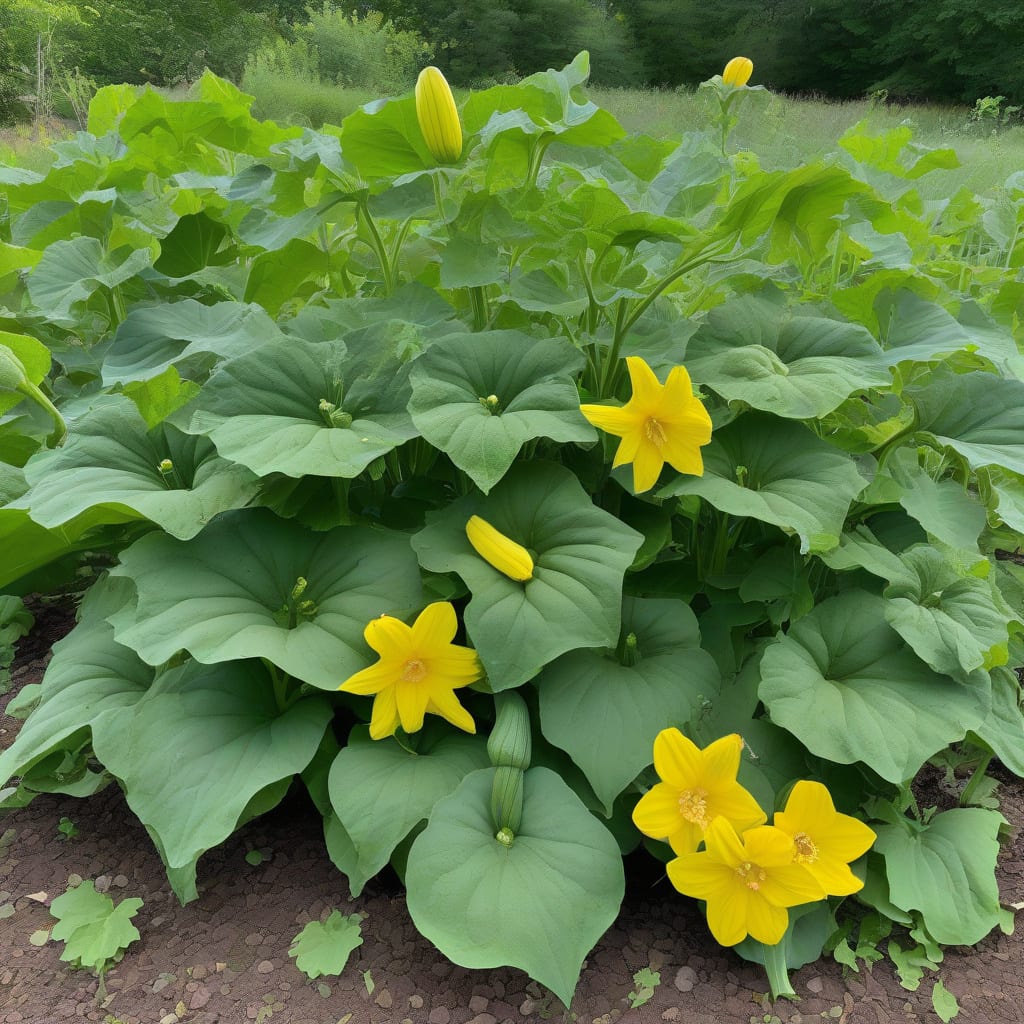
When growing Summer Squash 🥒, understanding its growth habits is key to a bountiful harvest. In USDA Zone 6, these versatile vegetables can thrive when planted in late spring.
The height of Summer Squash plants can vary, typically spreading on the ground or climbing 2-3 feet high. Proper care and support can make all the difference in maximizing your yield.

Summer squash is a versatile and productive garden vegetable that can thrive in various growing conditions. Understanding its growth habits is crucial for maximizing yield and planning your garden effectively. The height of summer squash plants can vary significantly depending on the variety and growing conditions.
Most summer squash varieties fall into two main categories: bush and vining. Bush varieties typically grow more compactly, reaching heights of 2-3 feet, while vining varieties can spread out more, climbing trellises or other supports to heights of up to 6 feet or more with proper support. 🌿
The height that summer squash plants can achieve is influenced by several factors, including the specific variety, growing conditions, and gardening practices. Soil quality plays a significant role, with rich, well-draining soil promoting healthier and potentially taller growth. 🌟
Sunlight exposure is another critical factor, as summer squash requires full sun to thrive. Inadequate sunlight can result in weaker, less vigorous plants that may not reach their full height potential. 💡
Understanding these growth habits and factors influencing height can help gardeners make informed decisions about plant spacing, support structures, and overall garden management. By optimizing growing conditions and providing appropriate support, gardeners can maximize their summer squash yield and enjoy a bountiful harvest.
For bush varieties, spacing of 2-3 feet between plants is typically recommended, while vining varieties may require more space or trellising to accommodate their spreading growth. Proper spacing helps prevent overcrowding, reduces disease risk, and allows for better air circulation around the plants.
In addition to spacing, watering practices can impact plant height. Consistent moisture, especially during fruit development, is crucial for healthy growth. However, overwatering can lead to root rot and other issues that may stunt plant growth.
By considering these factors and adapting gardening practices accordingly, gardeners can create optimal conditions for their summer squash plants to reach their full height potential and produce abundant fruit throughout the growing season.
Summer squash plants are generally relatively easy to grow and can thrive in a variety of conditions, making them a popular choice for home gardeners. With proper care and attention, these plants can provide a generous harvest of delicious squash throughout the summer months.
For more detailed information on growing summer squash, including tips on fertilization, pest management, and harvesting, gardeners can consult additional resources or local gardening experts for guidance tailored to their specific climate and growing conditions.
Several factors influence the height and overall growth of summer squash plants. Understanding these elements can help gardeners optimize their growing conditions and maximize their yield.
The variety of summer squash being grown plays a significant role in determining its height. Different cultivars have been bred for various growth habits, ranging from compact bush types to sprawling vining varieties.
By understanding and managing these factors, gardeners can create optimal growing conditions for their summer squash. Proper care and attention to these details can lead to healthier plants and a more bountiful harvest.
Soil preparation is another critical aspect that affects summer squash growth. Incorporating organic matter like compost can improve soil structure and fertility, supporting robust plant development.
Temperature also plays a crucial role in summer squash growth. These plants thrive in warm weather, typically above 60°F (15°C). Cooler temperatures can slow down growth and reduce overall plant height.
Nutrient availability is essential for optimal growth. Fertilization with a balanced fertilizer can provide necessary nutrients for healthy plant development and fruit production.
Pest and disease management is vital to prevent damage that could stunt plant growth. Regular monitoring and appropriate control measures can help maintain plant health.
By considering these factors and implementing appropriate gardening practices, growers can optimize the height and productivity of their summer squash plants, leading to a successful and abundant harvest.
When growing vining summer squash varieties, providing proper support is crucial for maximizing height and yield. Without support, these plants can spread out on the ground, taking up valuable space and potentially leading to rot and other issues.
Use a sturdy trellis or cage to support vining varieties, keeping fruit off the ground and improving air circulation 🌿
For bush varieties, proper spacing is essential. Planting them 2-3 feet apart allows for good air circulation and prevents overcrowding, which can lead to disease issues.
Trellising vining varieties not only saves space but also helps in keeping the fruit clean and reducing the risk of pests and diseases. It’s recommended to start training the vines onto the trellis when they’re about 6-8 inches long.
Regular pruning can also help manage the growth of summer squash plants. Removing any weak or spindly growth encourages the plant to focus its energy on producing healthier vines and more fruit.
By implementing these support strategies, gardeners can make the most of their summer squash plants, whether they’re growing bush or vining varieties.
