
Beautiful Plants For Your Interior
Beautiful Plants For Your Interior
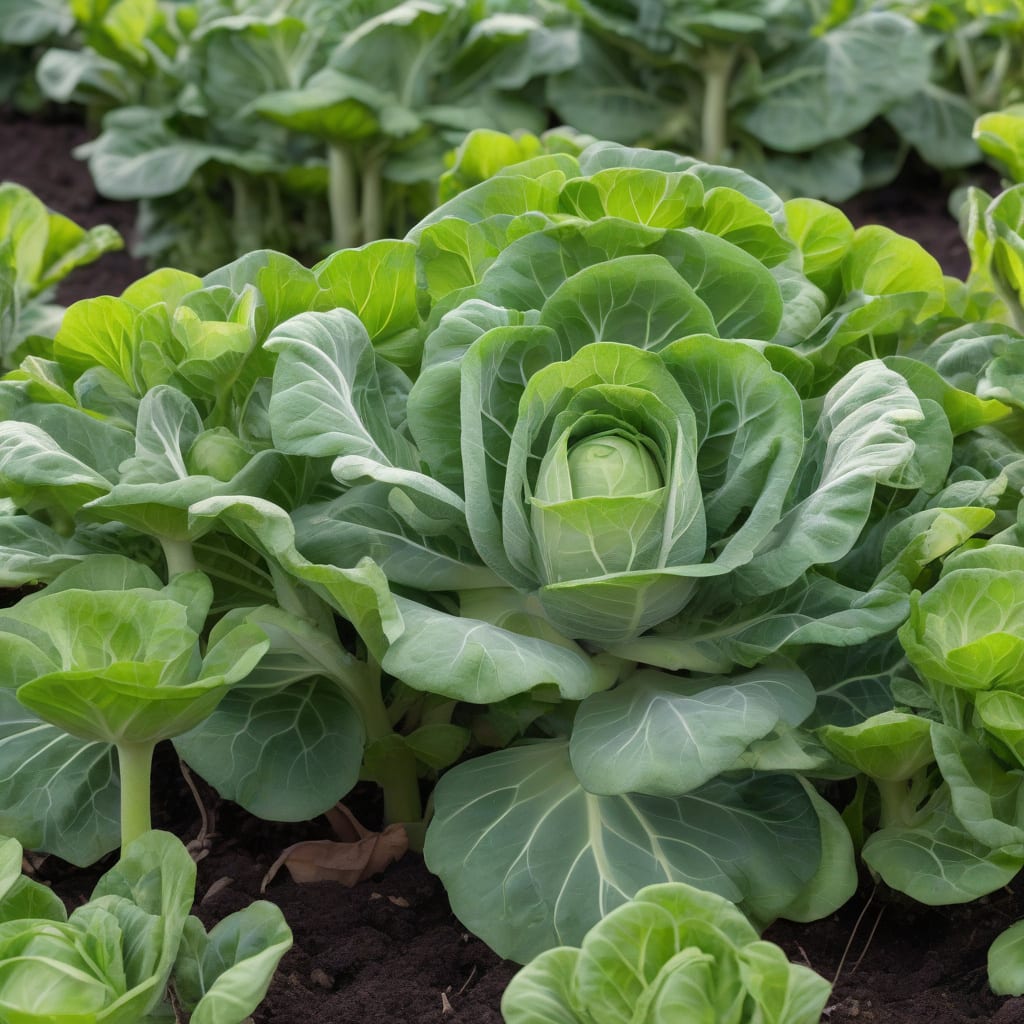
When growing Brussel Sprout 🥦 plants, understanding their height is crucial for maximizing your harvest. These plants can grow quite tall, typically reaching heights of 2-3 feet, which is taller than a large cabbage.
Factors like soil quality, sunlight, and watering play a significant role in determining their final height. By optimizing these conditions and understanding the growth patterns, you’ll be better equipped to manage your Brussel Sprout plants and enjoy a bountiful harvest.


Brussel sprout plants are known for their impressive height, typically growing between 2-3 feet tall. This height is influenced by various factors including soil quality, sunlight exposure, and watering practices.
The growth of Brussel sprout plants can be broken down into several stages. Initially, they start as seedlings, gradually developing into mature plants that produce the characteristic sprouts along their stem.
The height of Brussel sprout plants can vary depending on the specific variety. Some compact varieties may remain shorter, while others can grow taller.
Brussel sprout plants typically take around 120 days to mature from planting. During this period, they require consistent care, including adequate watering and nutrient supply.
One of the key factors affecting the height of Brussel sprout plants is soil quality. Soil that is rich in nutrients and has good drainage supports healthier plant growth.
Sunlight is another critical factor. Brussel sprout plants require full sun to grow well, meaning they need at least 6 hours of direct sunlight per day.
Watering practices also play a significant role. Consistent moisture, especially during dry spells, helps in maintaining steady growth.
In addition to these factors, the variety of Brussel sprout can influence its height. Some varieties are bred to be more compact, while others are known for their taller growth.
Understanding these growth stages and factors helps gardeners manage their Brussel sprout plants more effectively, ensuring a successful harvest.
By optimizing growing conditions and understanding the specific needs of Brussel sprout plants, gardeners can enjoy a bountiful harvest of delicious sprouts.
Regular monitoring of the plants’ growth and adjusting care practices accordingly can significantly impact the final yield and quality of the sprouts.
Overall, Brussel sprout plants are a rewarding crop to grow, providing a nutritious and tasty addition to various dishes.
The height of Brussel sprout plants is influenced by several critical factors that gardeners must consider to optimize their growth. Understanding these elements helps in creating the ideal conditions for these plants to thrive and reach their maximum potential height of 2-3 feet.
Soil quality stands out as a primary factor affecting the height of Brussel sprout plants. The soil should be rich in nutrients and have good drainage to support healthy root development and overall plant growth.
Optimizing soil quality and providing adequate sunlight are crucial for maximizing Brussel sprout plant height and overall yield.
Sunlight exposure is another vital factor. Brussel sprout plants require full sun to grow well, necessitating at least 6 hours of direct sunlight daily. This exposure directly impacts their ability to undergo photosynthesis and grow tall and strong.
Watering practices also significantly impact the height of Brussel sprout plants. Consistent moisture levels, particularly during dry periods, are essential for maintaining steady growth. Watering should be done regularly, ensuring the soil remains moist but not waterlogged.
The variety of Brussel sprout being grown can also influence its final height. Some varieties are bred to be more compact, while others naturally grow taller. Choosing the right variety based on your specific gardening needs and space can help in achieving the desired plant height.
By understanding and managing these factors, gardeners can create an optimal growing environment for their Brussel sprout plants. This not only helps in achieving the maximum possible height but also contributes to a healthier and more productive plant.
Regular monitoring and adjustment of these factors throughout the growing season can further enhance the growth and productivity of Brussel sprout plants.
Ultimately, the combination of good soil quality, adequate sunlight, proper watering, and selecting the appropriate variety will lead to successful cultivation of Brussel sprouts at their full height potential 🌱.
Managing the height of Brussel sprout plants is crucial for achieving a bountiful harvest. By understanding how to control their height, you can prevent issues related to excessive growth and optimize your yield.
Prune your Brussel sprout plants to encourage healthy growth and prevent them from becoming too leggy. Remove lower leaves to promote air circulation and reduce disease risk.
Provide staking support to Brussel sprout plants that grow too tall. This helps prevent them from toppling over in the wind and ensures they continue to grow upright.
Ensure adequate spacing between Brussel sprout plants. Proper spacing allows for good air circulation, reduces competition for nutrients, and helps manage plant height.
By implementing these expert tips, you can effectively manage the height of your Brussel sprout plants and enjoy a healthier, more productive harvest.
Regular monitoring of your plants’ growth and adjusting your care practices accordingly can make a significant difference in their overall health and productivity.
Optimizing growing conditions and understanding the specific needs of Brussel sprout plants are key to achieving a successful harvest 🌿.
