
Beautiful Plants For Your Interior
Beautiful Plants For Your Interior
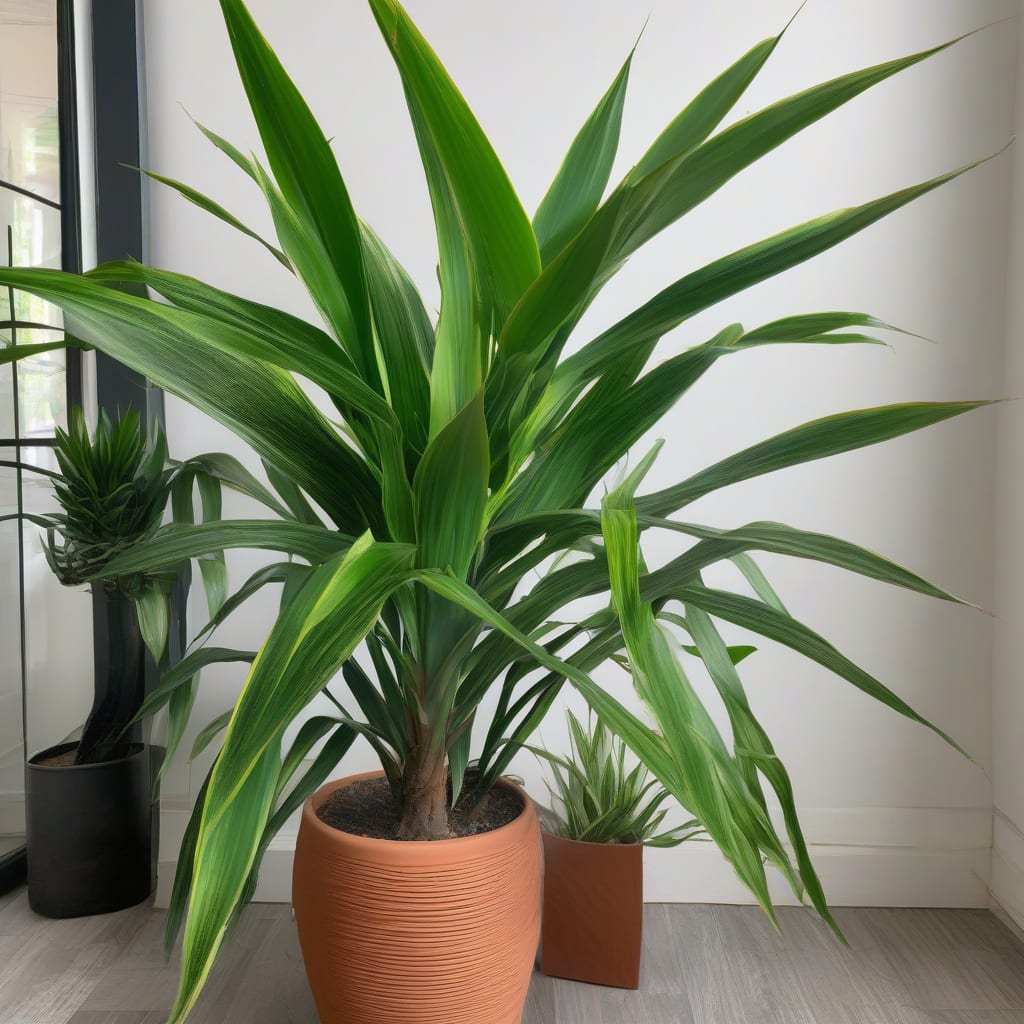
Bamboo 🌿 is known for its remarkable growth rate and impressive height, making it a fascinating plant for gardeners and nature enthusiasts alike. Some species can grow over 100 feet tall, rivaling the height of a 10-story building.
Factors like soil quality, climate, and pruning practices all play a role in determining how tall bamboo can grow in your garden. Let’s explore the surprising height potential of bamboo and what you can do to cultivate it successfully.

3-6 ft

6-15 ft

10-30 ft

15-100 ft
Bamboo is renowned for its exceptional growth rate and impressive height, with various species achieving remarkable tallness. Some bamboo species can grow over 100 feet tall, making them a striking addition to any landscape 🌿.
The height potential of bamboo varies significantly across different species. Factors such as soil quality, climate, and cultivation practices play crucial roles in determining the maximum height bamboo can achieve in different environments.
The Dendrocalamus giganteus is one of the tallest bamboo species, capable of reaching heights of up to 100 feet. This species thrives in tropical climates with ample rainfall and well-drained soil.
In contrast, the Bambusa tulda typically grows to 50-60 feet, making it a more manageable option for smaller landscapes or container gardening.
Phyllostachys edulis, also known as Moso bamboo, is another popular species that can grow up to 90 feet tall. It is widely cultivated for its timber and edible shoots.
Understanding the height potential of different bamboo species is essential for gardeners and landscapers. By selecting the appropriate species for their climate and growing conditions, individuals can cultivate bamboo successfully and enjoy its many benefits.
Bamboo’s height is influenced by a combination of genetic and environmental factors. While some species naturally grow taller than others, proper care and maintenance can help bamboo reach its full height potential.
For gardeners looking to cultivate bamboo, it’s essential to consider the mature height of the chosen species. This knowledge will help in planning the layout of the garden and ensuring that the bamboo has enough space to grow without becoming invasive.
Regular pruning and maintenance are also crucial for managing bamboo height. By removing dead or damaged culms and controlling the spread of the plant, gardeners can keep their bamboo healthy and within desired height limits.
In addition to its impressive height, bamboo is valued for its versatility and sustainability. It can be used for a variety of purposes, from construction materials to edible shoots, making it a valuable addition to any garden or landscape.
By understanding the factors that influence bamboo height and selecting the right species for their needs, gardeners can enjoy the many benefits of this remarkable plant. Whether used for privacy screens, ornamental purposes, or as a sustainable resource, bamboo is a valuable addition to any landscape.
In conclusion, bamboo is a highly versatile and impressive plant that can achieve remarkable heights. By selecting the appropriate species and providing proper care, gardeners can cultivate bamboo successfully and enjoy its many benefits for years to come 🌿.
Bamboo height is influenced by multiple factors that gardeners need to consider for optimal growth. The climate plays a crucial role, with bamboo thriving in tropical and subtropical regions with high humidity and ample rainfall 🌟.
Soil quality is another critical factor affecting bamboo height. Bamboo prefers well-drained soil rich in organic matter, with a slightly acidic to neutral pH (5.5-7.0) for optimal growth.
Understanding these factors helps gardeners create optimal conditions for their bamboo plants. By providing the right environment and care, bamboo can reach its full height potential and thrive in various landscapes.
The genetic makeup of bamboo species also significantly influences their height. Different species have varying growth habits and maximum heights, ranging from compact varieties to giant timber bamboos.
Cultivation practices such as regular watering, fertilization, and pruning also impact bamboo height. Proper care ensures that bamboo plants remain healthy and vigorous, allowing them to achieve their maximum height potential.
In conclusion, multiple factors contribute to bamboo’s height growth. By understanding and managing these factors, gardeners can cultivate bamboo successfully and enjoy its many benefits in their landscapes 🌟.
For more information on bamboo cultivation and care, check out our other resources on bamboo gardening and management.
Managing bamboo height is crucial for maintaining a well-organized garden and preventing unwanted spread. Regular pruning is essential to keep bamboo at a desired height and promote healthy growth 🌱.
Prune bamboo regularly to maintain desired height and promote healthy growth. Remove dead or damaged culms to prevent disease spread.
To effectively manage bamboo height, gardeners should understand the growth habits of their specific bamboo species. Some bamboo varieties are naturally more compact, while others can grow quite tall 🌿.
Pruning techniques vary depending on the bamboo species and desired height. For most bamboo types, pruning involves cutting back culms to the desired height and removing any weak or damaged growth.
Regular maintenance is key to preventing bamboo from becoming invasive. This includes monitoring for new shoots and controlling the spread of the plant through rhizome barriers or regular digging up of unwanted shoots.
By implementing these strategies, gardeners can enjoy the benefits of bamboo while keeping its height and spread under control. Proper management ensures that bamboo remains a valuable and attractive addition to any garden.
In conclusion, managing bamboo height requires regular pruning, understanding the growth habits of the species, and implementing proper maintenance techniques. With these strategies, gardeners can cultivate bamboo successfully and maintain a beautiful, well-managed garden 🌟.
