
Beautiful Plants For Your Interior
Beautiful Plants For Your Interior
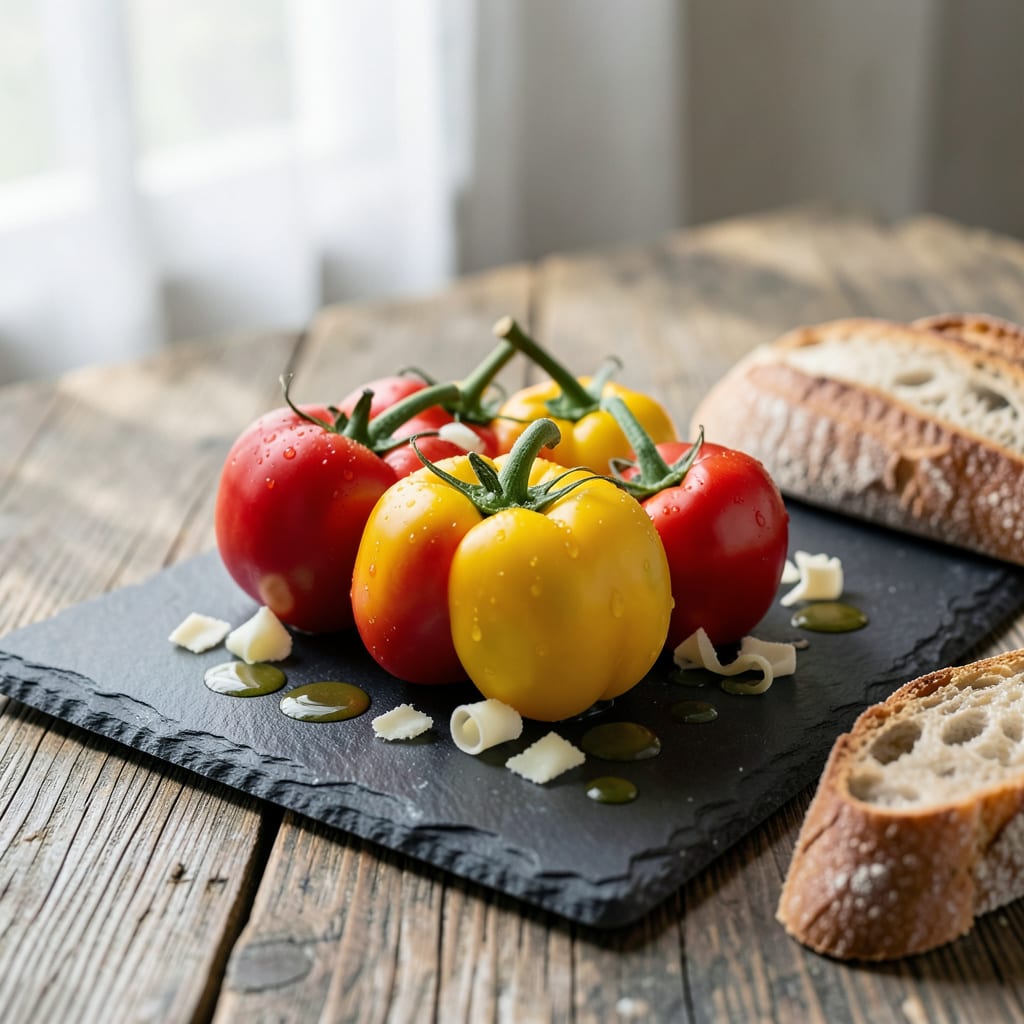
Growing 🌶️ Peppers can be a rewarding experience, but it requires careful planning and timing. One crucial aspect is fertilization – knowing when to feed your pepper plants can make all the difference in their yield.
In USDA Zone 6, pepper plants typically need fertilization during their active growing season. I’ll walk you through the best times to fertilize your peppers for maximum growth and fruit production.

Pepper plants have different nutritional requirements at various growth stages. Understanding these needs is crucial for optimal fertilization.
The growth stages of pepper plants include the seedling, flowering, and fruiting stages. Each stage has specific nutritional requirements that must be met for healthy growth and maximum yield 🌿.
During the seedling stage, pepper plants require higher levels of phosphorus to promote healthy root development. This is critical for establishing a strong foundation for the plant.
As the plants enter the flowering stage, they need potassium and phosphorus to support flower and fruit development. These nutrients play a crucial role in the formation of healthy flowers and subsequent fruit production.
In the fruiting stage, nitrogen becomes essential for foliage growth, while potassium continues to support fruit development. A balanced fertilizer that provides these nutrients is vital for maximizing yield.
Fertilizing peppers is not just about applying any fertilizer; it’s about understanding the specific needs at each growth stage. By tailoring your fertilization strategy to these needs, you can significantly improve the health and productivity of your pepper plants 🌱.
The frequency of fertilization also plays a crucial role. For most pepper plants, fertilizing every 4-6 weeks during the growing season is recommended. However, this can vary based on soil conditions and the type of fertilizer used.
Understanding the nutritional requirements at different growth stages is key to successful pepper cultivation. By providing the right nutrients at the right time, you can ensure your pepper plants grow strong and healthy, leading to a bountiful harvest 🌶️.
It’s also important to consider soil conditions when fertilizing peppers. Soil testing can provide valuable insights into nutrient deficiencies and help you choose the most appropriate fertilizer.
By combining the right fertilization strategy with good gardening practices, you can maximize your pepper yield and enjoy a successful growing season.
Fertilizing peppers at the right time is crucial for their development and fruit production. In USDA Zone 6, pepper plants typically require fertilization during their active growing season.
The timing of fertilization depends on several factors, including planting time, flowering stage, and soil conditions. I’ll outline the key considerations for fertilizing peppers to achieve optimal growth.
Incorporate balanced fertilizer into the soil when transplanting pepper seedlings. This gives them a nutrient boost for healthy root development 🌿.
Apply a Phosphorus-rich fertilizer when flowers begin to form. This promotes healthy flowering and sets the stage for fruit development 💐.
Switch to a Potassium-rich fertilizer to support fruit growth and quality. This helps in developing larger, healthier peppers 🌶️.
Soil conditions significantly impact fertilization timing. Regular soil testing helps identify nutrient deficiencies, allowing for adjustments in your fertilization schedule.
Fertilizing peppers isn’t just about the type of fertilizer; it’s also about when and how you apply it. For most pepper plants, fertilizing every 4-6 weeks during the growing season is recommended.
The early morning is considered the best time to fertilize peppers, as it allows for optimal nutrient absorption throughout the day.
By following these guidelines and adjusting based on your specific growing conditions, you can maximize your pepper yield and enjoy a bountiful harvest 🌼.
Remember, successful pepper cultivation requires a balanced approach to fertilization, taking into account the plant’s growth stage and soil conditions.
As you continue to care for your pepper plants, keep in mind that consistent fertilization is key to achieving optimal growth and fruit production.
Choosing the right fertilizer for your pepper plants is crucial for their growth and productivity. The type of fertilizer you use can significantly impact the health and yield of your peppers.
There are various types of fertilizers available, including organic and synthetic options. Understanding the differences between these can help you make an informed decision for your garden 🌿.
The NPK ratio is another critical factor to consider when selecting a fertilizer. A balanced fertilizer with an NPK ratio of 10-10-10 is generally recommended for pepper plants.
Soil testing is essential to determine the specific nutrient needs of your pepper plants. By understanding your soil’s nutrient profile, you can choose a fertilizer that addresses any deficiencies.
The method of fertilizer application also plays a significant role in its effectiveness. Side-dressing and foliar feeding are two common methods used for pepper plants.
By considering these factors and choosing the right fertilizer, you can provide your pepper plants with the necessary nutrients for optimal growth and fruit production 🌶️.
Regular fertilization, combined with good gardening practices, will help ensure a bountiful harvest of healthy, delicious peppers.
Fertilize your pepper plants every 4-6 weeks during the growing season for optimal growth. The frequency may vary based on soil conditions and the type of fertilizer used. Regular fertilization ensures your plants receive necessary nutrients .
The early morning is considered the best time to fertilize peppers. This timing allows for optimal nutrient absorption throughout the day. Avoid fertilizing during the hottest part of the day to prevent burning the roots .
While a balanced fertilizer (10-10-10 NPK) is generally recommended, pepper plants have different nutritional needs at various growth stages. Adjusting your fertilizer based on the plant’s stage (seedling, flowering, fruiting) can improve yield and health .
Monitor your pepper plants for signs of nutrient deficiency, such as yellowing leaves or stunted growth. Regular soil testing can help identify specific deficiencies, allowing you to adjust your fertilization strategy accordingly .
