
Beautiful Plants For Your Interior
Beautiful Plants For Your Interior
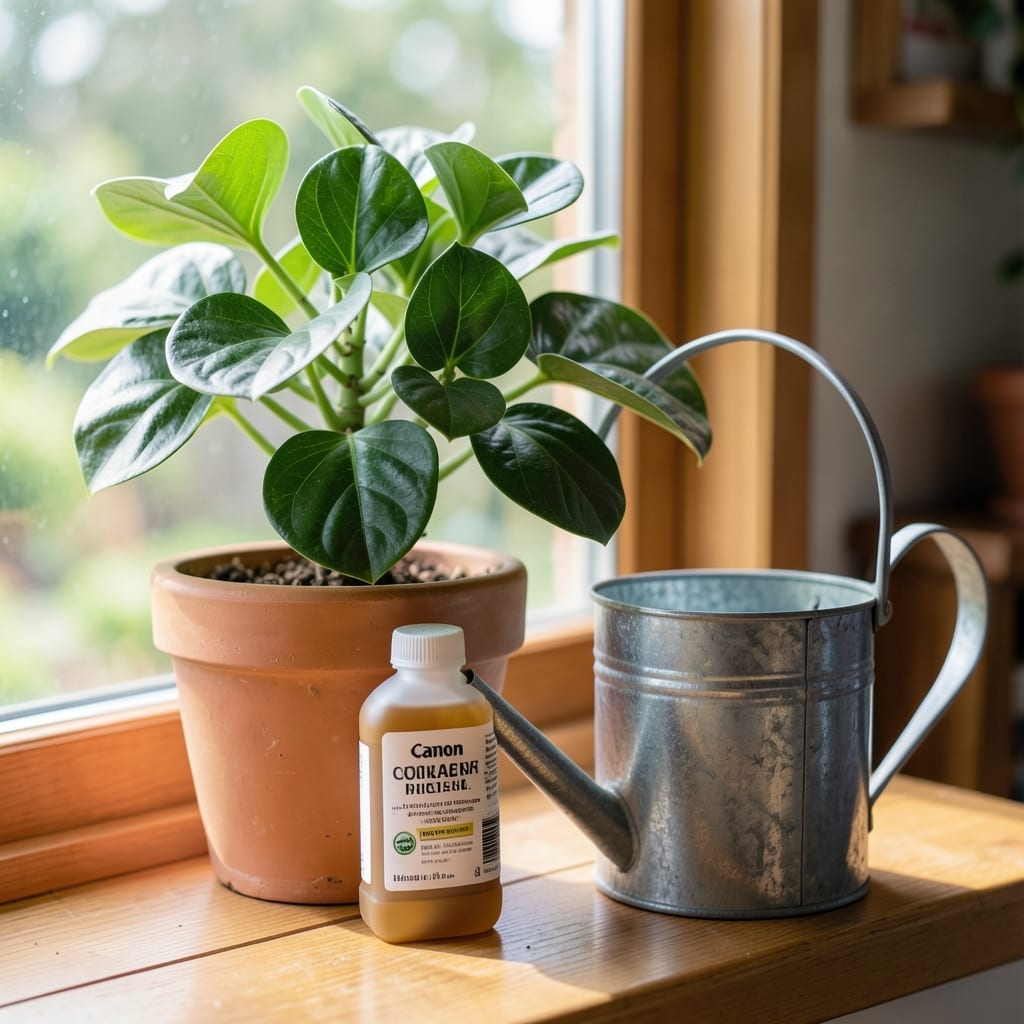
I’ve seen gardens transform from struggling to thriving with just one simple change. A balanced liquid fertilizer can be the key to unlocking your plants’ full potential, delivering nutrients exactly where they’re needed most.
Whether you’re growing 🌱 General Plants indoors or maintaining a lush outdoor garden, the right feeding strategy makes all the difference. It’s not just about growth—it’s about creating vibrant, healthy plants that resist disease and produce abundant yields.
Discover how to choose, apply, and maximize this garden game-changer. Your green thumb just got easier to achieve.
A balanced liquid fertilizer contains equal proportions of the three primary nutrients: nitrogen (N), phosphorus (P), and potassium (K). These are often labeled with ratios like 10-10-10 or 20-20-20, ensuring your plants receive a well-rounded diet.
Nitrogen promotes lush foliage and vibrant green leaves, while phosphorus supports strong root development and flowering. Potassium enhances disease resistance and overall plant hardiness, making it essential for long-term health.
Balanced fertilizers also include micronutrients like iron, zinc, and manganese, which are just as vital. These trace elements support enzyme functions and chlorophyll production, ensuring your plants can photosynthesize efficiently.
For houseplants like pothos or spider plants, a 10-10-10 ratio works wonders. In outdoor gardens, 20-20-20 is often preferred for vegetables and flowers, as it provides a stronger nutrient boost during active growth periods.
I always recommend checking your soil pH before applying fertilizer. A neutral pH (6.0-7.0) ensures nutrients are readily available to your plants. If the soil is too acidic or alkaline, some nutrients may become locked away, no matter how much you feed.
Another advantage of liquid fertilizers is their quick absorption. Unlike granular options, liquid nutrients are immediately available to plant roots, making them ideal for fast corrections when plants show signs of deficiency, like yellowing leaves or stunted growth.
For best results, I dilute my balanced liquid fertilizer to half strength for young seedlings or sensitive plants. This prevents fertilizer burn while still providing the nutrients they need to thrive. Always follow the label instructions for mixing ratios.
Remember, more isn’t always better. Over-fertilizing can lead to salt buildup in the soil, which can damage roots and inhibit water uptake. Stick to a regular feeding schedule—every 4-6 weeks is a good rule of thumb for most plants.
Using a balanced liquid fertilizer ensures your plants get the complete nutrition they need without the guesswork. It’s like giving them a multivitamin for optimal growth and vitality 🌱
Applying balanced liquid fertilizer correctly ensures your plants absorb nutrients efficiently. I prefer early morning applications when temperatures are cooler, reducing evaporation and allowing plants to uptake nutrients before the heat of the day.
Dilution is key—always follow the manufacturer’s instructions. For most houseplants and garden vegetables, a 1 tbsp per gallon ratio works well. Overconcentrated mixes can burn roots and harm your plants.
For foliar feeding, use a fine mist sprayer to apply the diluted fertilizer directly to leaves. This method is great for quick nutrient absorption, especially for plants showing signs of deficiency like yellowing leaves or slow growth.
I find soil drenching most effective for root crops like carrots or potatoes. Pour the diluted fertilizer around the base of the plant, ensuring it soaks into the root zone. Avoid getting fertilizer on leaves if using a soil drench to prevent potential leaf burn.
Seasonal adjustments matter too. In spring and fall, I feed every 4 weeks to support new growth and prepare plants for dormancy. During summer, I switch to a lighter feeding schedule, about every 6 weeks, to avoid overloading plants during stressful heat.
Always water your plants a day before applying fertilizer. This preps the soil and roots to better absorb the nutrients. After feeding, water again lightly to help distribute the fertilizer evenly through the soil 🌱