
Beautiful Plants For Your Interior
Beautiful Plants For Your Interior
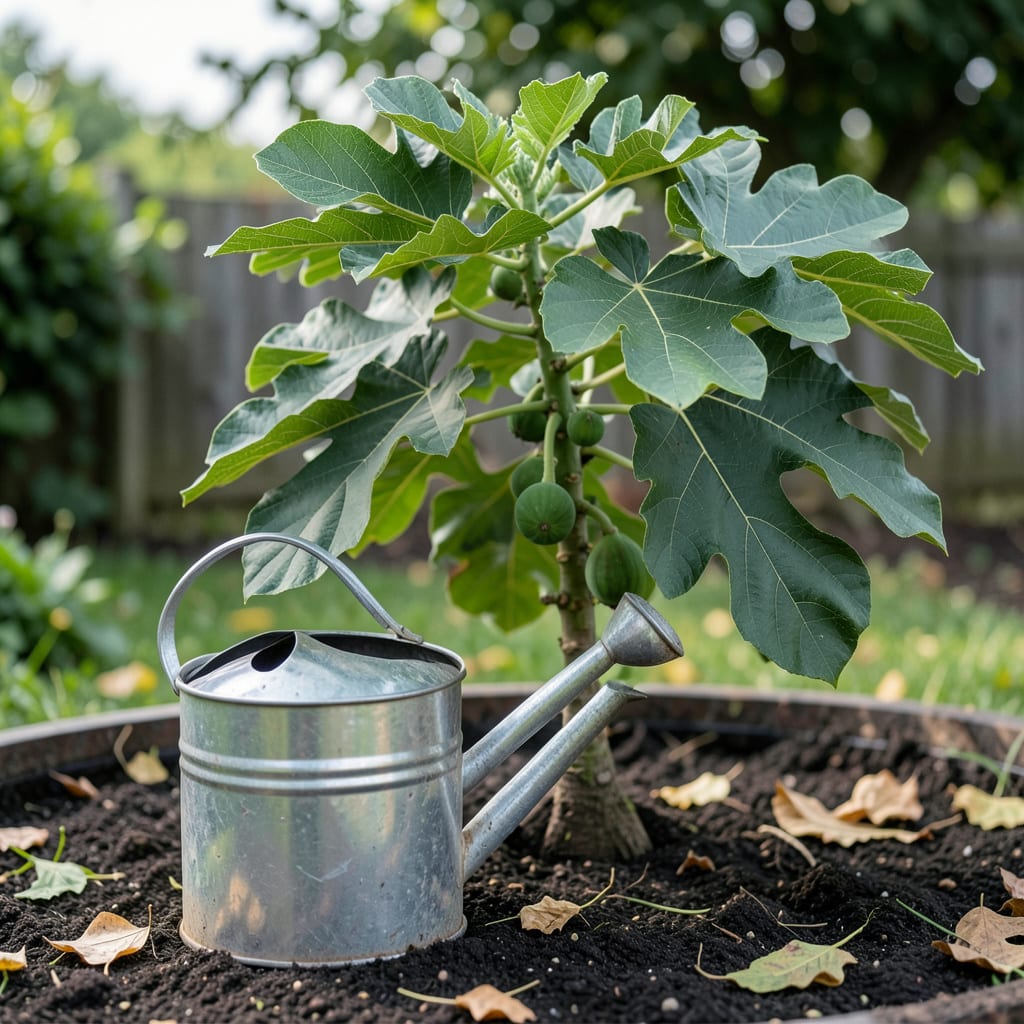
As I tend to my Fig 🌳 plants, I realize that getting the watering just right is crucial for their health. Too little water can stress the plant, while too much can be disastrous.
So, how do you strike the perfect balance? Let’s explore the factors that affect your Fig plant’s watering needs and discover the best practices to keep it thriving in USDA Zone 6a.
Fig plants require precise watering to thrive, as both underwatering and overwatering can lead to serious growth issues. The amount of water a fig plant needs depends on several factors, including climate, soil type, plant age, and growth stage.
To determine the right watering schedule, it’s essential to understand these factors and how they impact your fig plant’s water requirements. Let’s explore the key considerations that will help you provide your fig plant with the right amount of moisture.
The watering needs of a fig plant are influenced by several factors, including climate, soil type, plant age, and growth stage. Understanding these factors is crucial to providing your fig plant with the right amount of moisture.
In general, fig plants prefer consistent moisture, especially during the growing season. However, they are relatively drought-tolerant once established.
To ensure your fig plant receives the right amount of water, it’s essential to consider these factors and adjust your watering schedule accordingly. By doing so, you’ll be able to provide your plant with the optimal conditions for growth and fruit production 🌳.
Watering frequency is also critical, as fig plants have different needs during different times of the year. During the spring and summer, fig plants require more frequent watering, while during the fall and winter, they need less.
In the spring, fig plants typically require watering every 2 weeks, while in the summer, they need watering weekly. In the fall, watering every 2 weeks is usually sufficient, and during the winter, monthly watering is typically enough.
It’s also important to consider the soil moisture when determining the right watering schedule for your fig plant. Checking the soil moisture by inserting your finger into the soil up to the first knuckle can help you determine if the soil is dry and needs watering.
By understanding the factors that affect your fig plant’s watering needs and adjusting your watering schedule accordingly, you’ll be able to provide your plant with the right amount of moisture to thrive.
Additionally, mulching can help retain soil moisture and reduce the need for frequent watering. Using a layer of organic mulch around the base of your fig plant can help keep the soil cool and moist.
Overall, providing your fig plant with the right amount of water is crucial for its health and productivity. By considering the factors that affect its watering needs and adjusting your watering schedule accordingly, you’ll be able to enjoy a bountiful harvest of delicious figs.
Determining the right amount of water for your fig plant can be challenging, but there are several practical methods to help you get it right. First, it’s essential to check the soil moisture regularly.
One effective way to do this is by inserting your finger into the soil up to the first knuckle. If the soil feels dry, it’s time to water your fig plant thoroughly until you see water draining out of the pot’s bottom holes.
Overwatering can be detrimental to your fig plant, causing root rot and other problems. Make sure not to waterlog the soil.
It’s also crucial to be aware of the signs of overwatering and underwatering. If your fig plant is overwatered, you may notice yellowing leaves or droopy branches. On the other hand, underwatering can cause wilted leaves or slow growth 🌳.
Adjusting your watering schedule according to seasonal changes is also vital. During the hot summer months, your fig plant may require more frequent watering, while during the cooler winter months, it may need less.
In addition to checking soil moisture and adjusting for seasonal changes, you should also consider the pot size and soil type when determining the right water amount for your fig plant.
A general rule of thumb is to water your fig plant when the top 1-2 inches of soil feels dry to the touch. You can also use a moisture meter to measure the soil moisture levels more accurately.
By following these practical methods and being mindful of the factors that affect your fig plant’s watering needs, you’ll be able to provide your plant with the right amount of moisture to thrive and enjoy a bountiful harvest of delicious figs.
Watering fig plants effectively requires a combination of understanding their watering needs and implementing best practices. By following these expert tips, you’ll be able to provide your fig plant with the right amount of moisture to thrive.
Water your fig plant in the morning to give the plant the entire day to absorb the water. This helps prevent fungal diseases that can occur when water sits on the leaves overnight.
Apply a layer of organic mulch around the base of your fig plant to retain soil moisture and regulate soil temperature. This helps reduce the need for frequent watering.
Fig plants in containers dry out faster than those planted in the ground. Check the soil moisture more frequently for container plants and adjust your watering schedule accordingly.
By implementing these expert tips, you’ll be able to provide your fig plant with the right amount of moisture to thrive.
Watering frequency is critical, and fig plants have different needs during different times of the year. During the spring and summer, fig plants require more frequent watering, while during the fall and winter, they need less.
By following these best practices and being mindful of the factors that affect your fig plant’s watering needs, you’ll be able to enjoy a bountiful harvest of delicious figs 🌳.
Water your fig plant weekly during the summer months when it’s actively growing. Check the soil moisture by inserting your finger into the soil up to the first knuckle, and water thoroughly until you see water draining out of the pot’s bottom holes.
Check the soil moisture by inserting your finger into the soil up to the first knuckle. If the soil feels dry, it’s time to water. You can also use a moisture meter for more accurate readings. This simple method helps prevent overwatering.
It’s best to water your fig plant in the morning to give it the entire day to absorb the water. Watering in the evening can lead to fungal diseases that thrive in moist conditions overnight. Watering in the morning helps keep your plant healthy.
A mature fig plant typically needs a deep soak that provides about 20,000ml of water. The exact amount may vary depending on factors like climate, soil type, and pot size. Adjust the watering amount based on your plant’s specific needs.
