
Beautiful Plants For Your Interior
Beautiful Plants For Your Interior
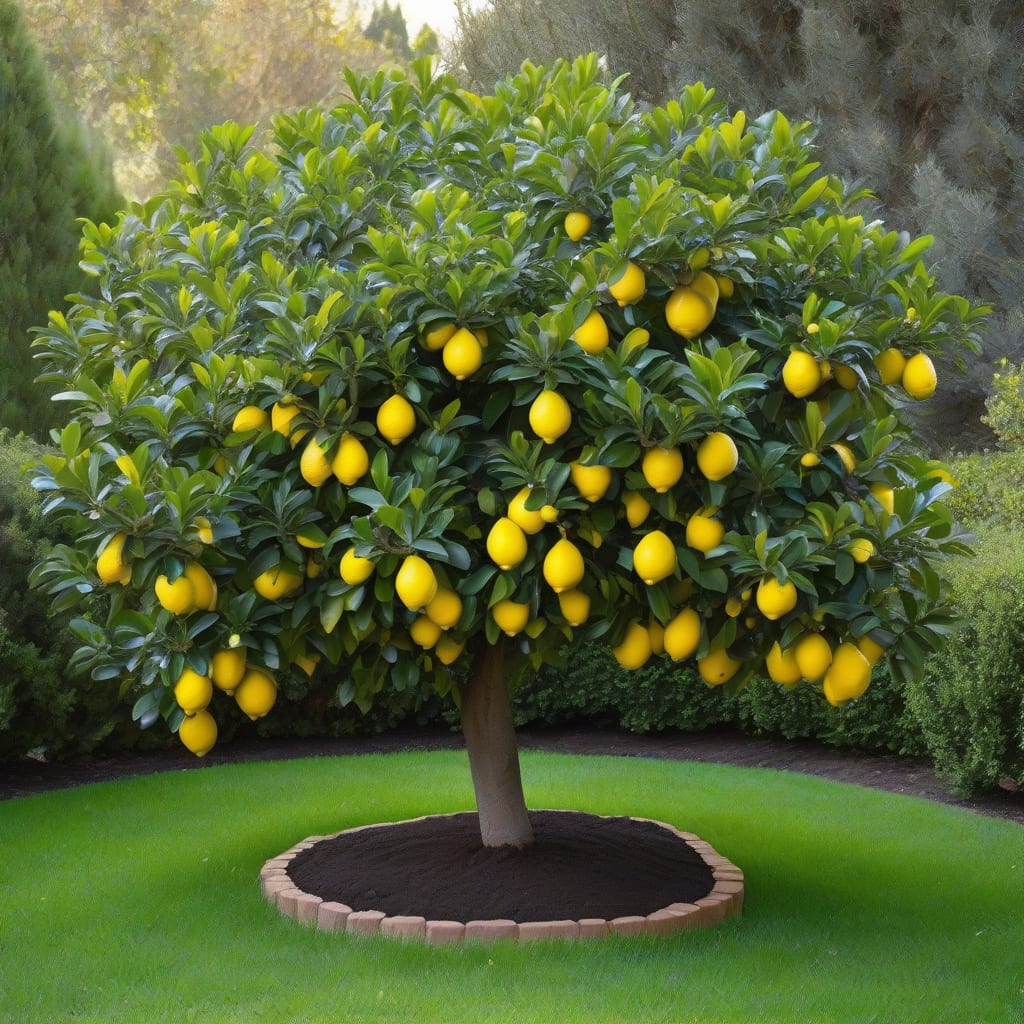
Growing a Lemon Tree 🍋 can be a rewarding experience, but understanding its growth potential is crucial. In ideal conditions, Lemon Trees can reach heights of 15-20 feet, making them a significant presence in any garden.
Factors like variety, climate, and pruning practices play a significant role in determining the tree’s ultimate height. Let’s explore these factors and how you can optimize conditions for your Lemon Tree to thrive.

3 ft

6 ft

10 ft

15 ft
Lemon trees are one of the most popular citrus trees for home gardeners, and understanding their growth potential is key to proper care and maintenance. The height of a lemon tree can vary significantly based on several factors.
The variety of lemon tree is a primary factor in determining its potential height. Some lemon tree varieties are naturally more compact, while others can grow quite tall. For instance, dwarf varieties typically reach heights of 8-12 feet, whereas standard varieties can grow up to 15-20 feet tall.
Climate conditions also play a crucial role in determining the height of a lemon tree. Lemon trees thrive in warm, sunny climates with mild winters. In regions with frost-free conditions, lemon trees can grow more vigorously and reach their maximum potential height. Conversely, in areas with colder winters, the tree’s growth may slow down or halt, affecting the tree’s ultimate height.
Soil quality is another significant factor that can impact the height of a lemon tree. Lemon trees prefer well-draining, nutrient-rich soil with a slightly acidic pH. Soil that is too dense or lacking in essential nutrients can limit the tree’s growth potential. Regular soil testing and amendment can help ensure that your lemon tree has the best chance to reach its maximum height.
Pruning practices are also essential in determining the height of a lemon tree. Regular pruning can help control the tree’s height, promote a strong structure, and encourage fruiting. By selectively removing branches, you can direct the tree’s energy towards healthy growth and fruit production. Pruning can also help maintain a manageable height, making it easier to harvest lemons and perform other maintenance tasks.
In addition to these factors, other elements such as watering practices, fertilization, and pest management also play a role in determining the overall health and height of a lemon tree. By understanding and addressing these factors, you can create an optimal environment for your lemon tree to thrive and reach its full potential height.
It’s also worth noting that lemon trees are generally considered to be medium-sized trees, with most varieties reaching heights between 10 to 20 feet when mature. However, with proper care and optimal growing conditions, some lemon trees can grow even taller. 🌳
By considering the factors that affect lemon tree height and implementing appropriate care strategies, you can help your tree achieve its maximum growth potential. Whether you’re growing a dwarf variety or a standard lemon tree, understanding these factors will enable you to make informed decisions and provide the best possible care for your tree.
Ultimately, the height of a lemon tree is influenced by a combination of genetic, environmental, and cultural factors. By optimizing these factors, you can enjoy a healthy, productive lemon tree that brings beauty and bounty to your garden for years to come.
To maximize the height of your lemon tree, it’s essential to understand the factors that influence its growth. By providing optimal care and maintenance, you can encourage your tree to reach its full potential.
One of the most critical factors is proper pruning. Pruning helps maintain a manageable size, encourages fruiting, and removes diseased or damaged branches. Prune your lemon tree annually, typically in late winter or early spring, to minimize stress on the tree 🌳.
Select a standard or semi-dwarf lemon tree variety for maximum height potential.
Ensure your tree receives full sun and is planted in well-draining soil with a pH between 6.0 and 7.0.
Use a balanced citrus fertilizer every 4-6 weeks during the growing season.
In addition to these expert tips, it’s crucial to monitor your tree’s health regularly. Watch for signs of nutrient deficiencies, pests, or diseases, and take corrective action promptly.
By following these guidelines and providing your lemon tree with the right care, you can help it reach its maximum height potential and enjoy a bountiful harvest of delicious lemons 🌟.
Regular care and maintenance are key to maximizing your lemon tree’s height. By combining the right variety, optimal growing conditions, and proper care practices, you can enjoy a thriving lemon tree.
To further support your tree’s growth, consider mulching around the base to retain moisture and suppress weeds.
By implementing these strategies, you can create an ideal environment for your lemon tree to flourish and reach its full height potential.
Lemon trees can be susceptible to various challenges that affect their growth and height. One of the most significant issues is pests and diseases, which can weaken the tree and stunt its growth.
Regularly inspect your lemon tree for signs of pests or diseases, and take action promptly to prevent damage.
Environmental stressors like extreme temperatures, drought, or poor soil quality can also impact lemon tree growth. To mitigate these effects, ensure your tree is planted in a location with adequate sunlight and well-draining soil. Regular watering and fertilization can also help promote healthy growth.
In addition to these challenges, improper pruning practices can also affect lemon tree height. Prune your tree annually to maintain a manageable size and promote fruiting. Remove any diseased or damaged branches to prevent the spread of disease and encourage healthy growth 🌳.
By being aware of these common challenges and taking steps to address them, you can help your lemon tree reach its full potential height and enjoy a bountiful harvest of delicious lemons.
Regular monitoring and maintenance are key to overcoming these challenges and ensuring your lemon tree remains healthy and productive.
