
Beautiful Plants For Your Interior
Beautiful Plants For Your Interior
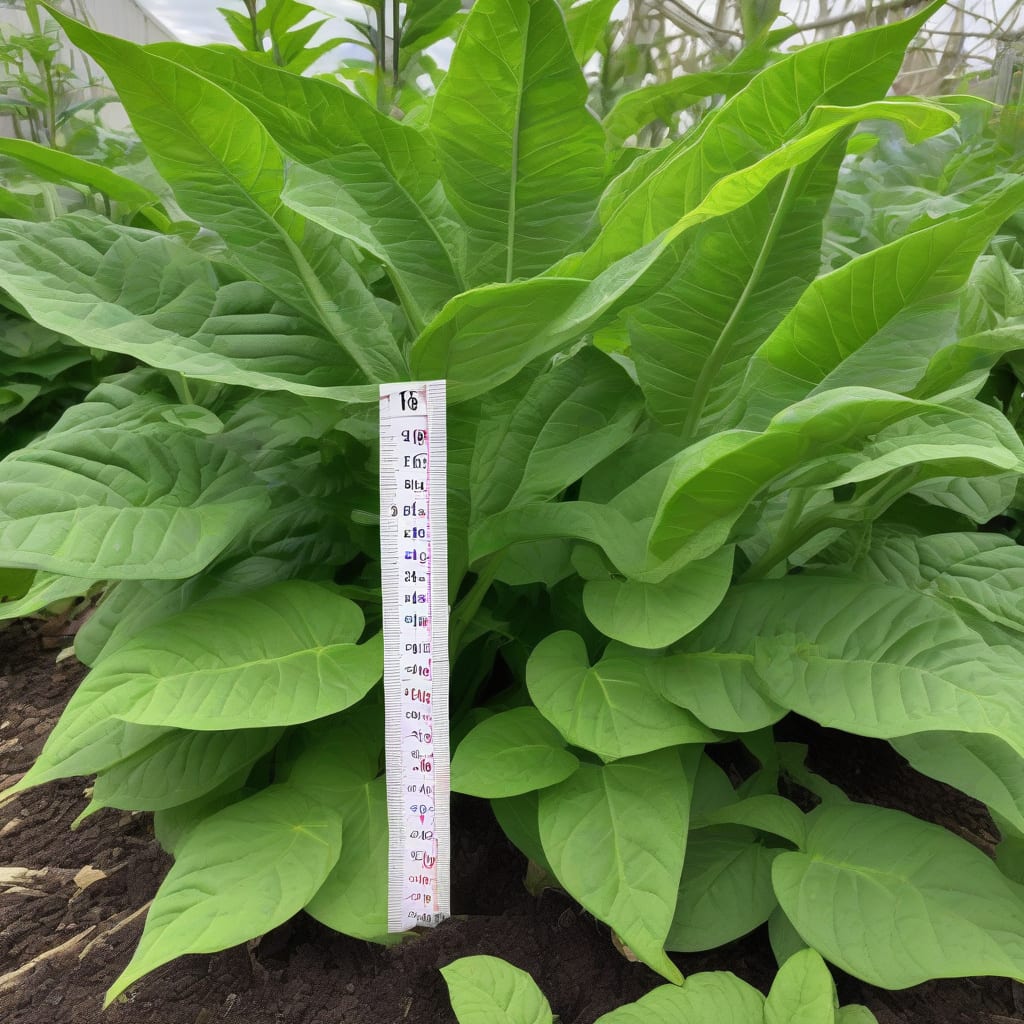
As I began growing Tobacco 🌿 in my garden, I wondered: how tall would these plants actually get? Understanding tobacco’s growth habits is crucial for successful cultivation, whether you’re a commercial grower or hobbyist in USDA Zone 6.
Tobacco plants can grow between 3 to 6 feet tall, depending on the variety and growing conditions. Let’s explore the factors that affect their height and how to manage them for a better yield.


Tobacco plant height is influenced by multiple factors that growers need to understand for successful cultivation. These factors range from genetic characteristics to environmental conditions 🌿.
The primary factors affecting tobacco plant height include genetics, soil quality, climate conditions, and farming practices. Let’s examine these factors in more detail to understand their impact on tobacco plant growth.
Genetic factors play a crucial role in determining tobacco plant height. Different varieties of tobacco have been bred for specific characteristics, including height. Some varieties are naturally taller than others, and this genetic predisposition sets the baseline for potential height.
Soil quality is another critical factor affecting tobacco plant height. Tobacco plants require well-balanced nutrition to thrive. Nutrition,主料, and potassium are essential for healthy growth and development. Soil that is rich in these nutrients and has good drainage properties supports healthy root development, which in turn affects overall plant height.
Climate conditions significantly influence tobacco plant height. Tobacco is a warm-season crop that thrives in temperatures between 65°F to 85°F. Adequate sunlight exposure is also crucial, as tobacco plants require full sun to grow well. Rainfall patterns and temperature fluctuations can impact growth rates and final height.
Farming practices, including cultivation techniques like topping and pruning, can significantly influence final plant height. Topping involves removing the flowering bud to encourage lateral growth, while pruning involves removing lower leaves to promote air circulation and reduce disease risk. These practices not only affect height but also impact overall plant health and yield.
Understanding these factors helps growers make informed decisions about tobacco cultivation. By considering genetics, soil quality, climate conditions, and farming practices, growers can optimize conditions for their tobacco crops.
Different tobacco varieties exhibit varying height characteristics. Some varieties are bred to be more compact, while others can grow quite tall under the right conditions. The specific variety being grown will determine the expected height range.
Growers should also consider how these factors interact with each other. For example, a tobacco variety with a genetic predisposition for tall growth will still require optimal soil and climate conditions to reach its full potential height.
By understanding and managing these factors, tobacco growers can achieve better crop yields and quality. Proper management of these factors leads to healthier plants and more successful harvests 🌱.
The combination of genetic potential, optimal growing conditions, and appropriate farming practices ultimately determines the height of tobacco plants. Growers who understand these factors can better manage their crops to achieve desired outcomes.
Tobacco plants are known for their impressive growth, with heights varying based on the specific variety and growing conditions. Generally, tobacco plants can grow between 3 to 6 feet tall 🌿.
The average height of tobacco plants typically ranges from 4 to 5 feet, which is considered standard for most commercial varieties. However, some heirloom or specialty varieties can reach heights of up to 6 feet or more under optimal growing conditions.
Most tobacco varieties grow between 4 to 5 feet tall, which is ideal for commercial cultivation and harvesting.
Under optimal conditions, some tobacco varieties can reach heights of up to 6 feet or more, showcasing their growth potential.
Factors such as genetics, soil quality, climate, and farming practices play a significant role in determining the final height of tobacco plants.
The height of tobacco plants is not just a matter of genetics; environmental and cultivation factors also play a crucial role. Growers can influence plant height through techniques such as topping and pruning, which can impact both the height and overall health of the plants.
Understanding the average and maximum heights of tobacco plants helps growers set realistic expectations and optimize their cultivation practices. By selecting the right variety and providing optimal growing conditions, growers can achieve the desired height and quality for their tobacco crops.
In conclusion, tobacco plants can grow to varying heights based on several factors. By understanding these factors and employing appropriate cultivation techniques, growers can manage plant height effectively and achieve better yields 🌱.
For commercial growers, understanding the typical height range of tobacco plants is essential for planning and managing crop production. This knowledge helps in optimizing field layout and harvesting strategies.
For hobbyist growers, knowing the potential height of tobacco plants can help in planning garden space and providing appropriate support for the plants as they grow.
Effective management of tobacco plant height is crucial for maximizing yield and quality. By understanding how to control plant height, growers can improve their cultivation practices and achieve better results 🌿.
Topping involves removing the flowering bud to encourage lateral growth, while pruning removes lower leaves to promote air circulation and reduce disease risk. These techniques can significantly improve yield and quality.
Topping is a critical technique in managing tobacco plant height. By removing the flowering bud, growers can redirect the plant’s energy towards leaf production, resulting in higher yields and better quality tobacco.
Pruning is another essential practice for managing tobacco plant height. Removing lower leaves improves air circulation, reduces disease risk, and promotes healthy growth. This technique also helps control plant height by preventing excessive foliage growth.
By combining topping and pruning techniques, growers can effectively manage tobacco plant height and improve overall crop performance. These practices not only control height but also enhance yield and quality 🌱.
Regular monitoring of plant growth is essential for effective height management. Growers should regularly inspect their crops and adjust their topping and pruning practices as needed to achieve optimal results 📊.
Understanding the optimal height for their specific tobacco variety helps growers make informed decisions about topping and pruning. This knowledge is critical for maximizing yield and quality in tobacco production 📈.
