
Beautiful Plants For Your Interior
Beautiful Plants For Your Interior
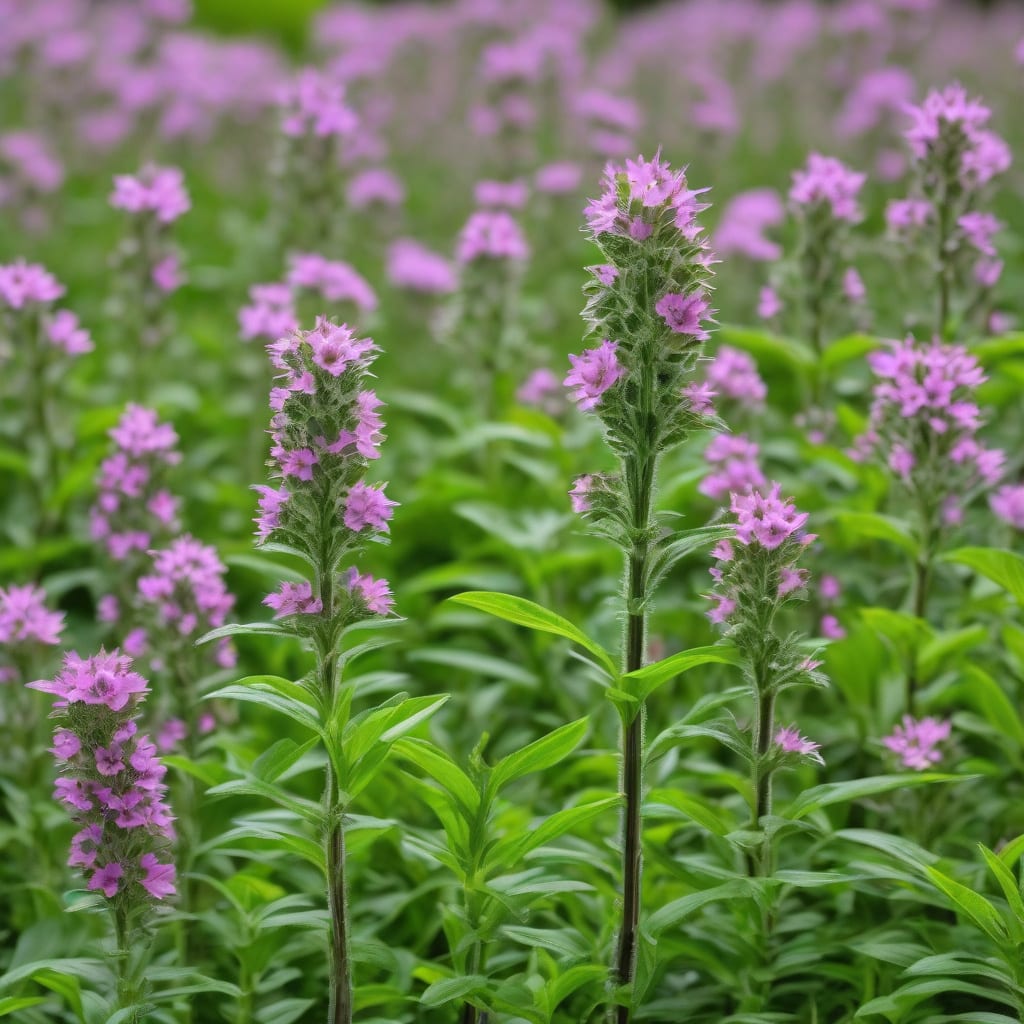
When growing Chia 🌱 plants, understanding their height is crucial for proper garden planning. Typically, Chia plants can grow between 2-3 feet tall, making them a great addition to many garden layouts.
Growing Chia in USDA Zone 6 is particularly successful during the spring and fall seasons. By knowing what to expect in terms of height, you can better plan your garden’s layout and ensure optimal growing conditions for your Chia plants.

Chia plants are known for their nutritional benefits, but understanding their growth habits is crucial for successful cultivation. One key aspect of growing chia is knowing how tall they can grow.
The height of chia plants can vary based on several factors, including the specific cultivar, growing conditions, and care practices. Generally, chia plants can grow between 2-3 feet tall.
The average height of chia plants is influenced by various factors, including soil quality, sunlight exposure, watering practices, and pruning techniques. Understanding these factors can help gardeners optimize the growth of their chia plants.
In ideal conditions, chia plants can reach their maximum height of 3 feet. This typically occurs when they receive adequate sunlight, proper watering, and are grown in well-draining soil.
Chia plants are generally considered small in terms of their size category, making them suitable for various garden layouts. Their height is comparable to being knee-high to a grown-up, which is an important consideration for garden planning.
Growing chia plants in USDA Zone 6 is particularly successful during the spring and fall seasons. By understanding the factors that affect the the the height of chia plants, dividuals can make informed decisions about their garden planning.
To maximize the height potential of chia plants, gardeners should focus on providing optimal growing conditions, including full sun exposure and well-draining soil. Regular watering and appropriate pruning practices also play a crucial role in supporting healthy growth.
By maintaining optimal growing conditions and understanding the factors that influence chia plant height, gardeners can enjoy a bountiful harvest of nutritious chia seeds. The height of chia plants is just one aspect of their overall growth and development.
Chia plants are relatively easy to care for, making them a great choice for gardeners of all experience levels. Their height and overall growth are influenced by a combination of genetic and environmental factors.
In summary, chia plants typically grow between 2-3 feet tall, with their height influenced by various factors. By understanding and optimizing these factors, gardeners can support healthy growth and maximize their chia harvest. 🌱
Successful cultivation of chia plants requires attention to their height and overall growth habits. By providing optimal growing conditions and care, gardeners can enjoy the many benefits of growing chia.
Managing chia plant height is crucial for optimal growth and maximizing harvest potential. Proper techniques can help maintain the ideal height of 2-3 feet while promoting healthy plant development 🌿.
To effectively manage chia plant height, gardeners should focus on three key factors: pruning practices, plant spacing, and growing conditions. By optimizing these elements, you can create an environment that supports robust growth while maintaining the desired height 🌻.
Regular pruning helps maintain chia plant height while promoting bushier growth and increased seed production. Prune the main stem when it reaches 12-18 inches to encourage branching 🔥.
Proper plant spacing is essential for managing chia plant height. Space plants 6-12 inches apart to allow for adequate air circulation and sunlight penetration, which helps prevent legginess and promotes even growth 🌱.
Growing conditions significantly impact chia plant height. Ensure your plants receive full sun exposure (6+ hours of direct sunlight) and are grown in well-draining soil to support healthy development and optimal height.
Regular watering practices also play a role in managing chia plant height. Maintain consistent moisture levels, especially during dry spells, to prevent stress that can lead to unwanted height variations 💧.
By implementing these strategies, you can effectively manage chia plant height and create an optimal growing environment. This approach not only helps maintain the desired height but also promotes overall plant health and productivity 🌼.
Successful chia cultivation requires attention to detail in managing plant height. By combining proper pruning, spacing, and growing conditions, you can maximize your harvest potential while maintaining healthy plants 🌱.
Chia plants exhibit varying heights under different growing conditions. Understanding these variations is crucial for gardeners to optimize their cultivation practices.
The height of chia plants can differ significantly when grown in containers versus directly in the ground. Container-grown chia plants typically reach heights of 1.5-2.5 feet, while those grown in the ground can achieve heights of 2-3 feet.
Chia plants grown indoors typically reach lower heights due to limited light and controlled environments. In contrast, outdoor-grown chia plants can achieve their maximum potential height when provided with optimal growing conditions.
The height variations in chia plants are influenced by factors such as soil quality, sunlight exposure, watering practices, and pruning techniques. By understanding these factors, gardeners can make informed decisions to optimize the growth of their chia plants 🌿.
Growing chia plants in different environments requires adjustments in care practices. For example, container-grown chia may require more frequent watering due to the limited soil volume 🌻.
By recognizing the impact of growing conditions on chia plant height, gardeners can tailor their cultivation strategies to achieve optimal results. This includes selecting the most suitable growing environment and adjusting care practices accordingly 🌱.
