
Beautiful Plants For Your Interior
Beautiful Plants For Your Interior
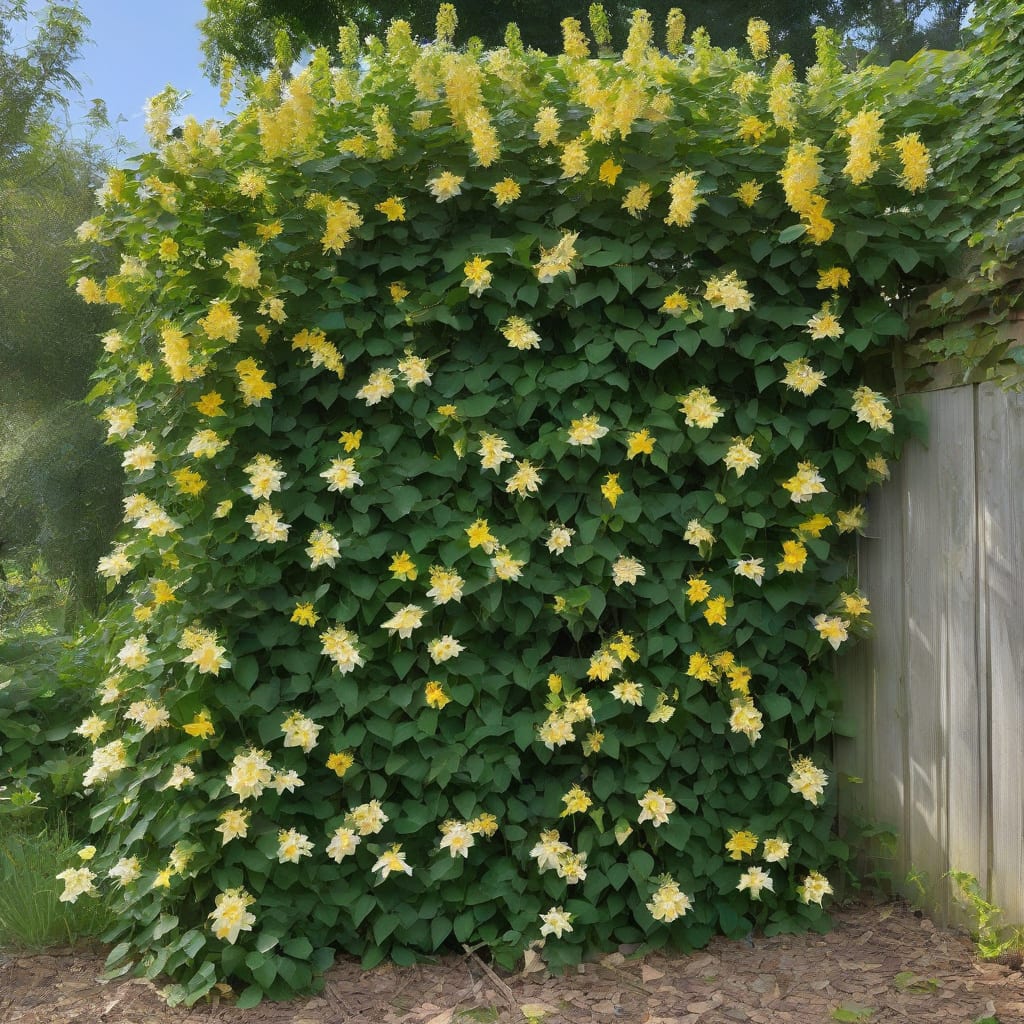
I’ve always been fascinated by Honeysuckle 🌺, a vigorous climber that can transform any garden with its beautiful flowers and rapid growth. But one question I get asked frequently is: how tall can it really grow?
Honeysuckle’s height potential varies significantly based on factors like species and growing conditions. Let’s explore what you can expect and how to manage its growth effectively in your garden.

Honeysuckle is known for its vigorous growth, but understanding its height potential is crucial for proper garden planning. The plant’s maximum height varies significantly based on several key factors.
The species variation plays a significant role in determining honeysuckle’s height. Different varieties have distinct growth patterns, ranging from compact forms to vigorous climbers. For instance, some varieties like Lonicera sempervirens can grow up to 20 feet in ideal conditions.
When considering honeysuckle for your garden, it’s essential to recognize the various factors that influence the height of honeysuckle. By understanding these factors,აქ you can better anticipate and manage the growth of this vigorous climber.
The growing conditions significantly impact honeysuckle’s growth. Full sun and well-draining soil create ideal conditions for maximum height potential. For example, a honeysuckle plant growing in optimal conditions can reach its maximum height more quickly than one in less favorable environments.
Another critical factor is the presence of support structures. Honeysuckle is a climbing vine that uses its twining stems to ascend. Providing a sturdy trellis or arbor can help guide its growth upward, potentially increasing its height.
Pruning practices also play a crucial role in managing honeysuckle’s height. Regular pruning not only controls the plant’s size but also encourages healthier growth and more abundant flowering. Pruning in late winter or early spring is typically most effective for maintaining desired heights.
Different honeysuckle varieties exhibit different growth habits. Some are more compact, while others are vigorous climbers. Understanding the specific variety you’re growing is key to anticipating its height potential.
For gardeners, understanding these growth patterns is crucial for effective garden design. Whether you’re using honeysuckle as a ground cover, a climber, or a decorative element, knowing its potential height helps in planning the overall garden layout.
In conclusion, honeysuckle’s height can vary significantly based on several factors. By understanding these factors and implementing appropriate care strategies, gardeners can effectively manage honeysuckle’s growth to achieve their desired garden outcomes. 🌺
I’ve found that managing honeysuckle height requires a combination of proper pruning techniques and training methods. To keep your honeysuckle under control, it’s essential to understand its growth habits and implement effective growth control strategies.
The key to successful honeysuckle management is regular pruning. Pruning not only controls the plant’s size but also promotes healthier growth and more abundant flowering. I recommend pruning your honeysuckle in late winter or early spring to maintain desired heights.
Remove up to 1/3 of old growth to control size and promote new shoots 🌿
Use sturdy trellises or arbors to guide growth upward and maximize height 🔝
Regularly check for excessive growth and prune as needed to maintain desired height 📏
Different honeysuckle varieties require different management approaches. For example, Lonicera sempervirens is a vigorous climber that needs regular pruning to control its height. On the other hand, more compact varieties may require less frequent pruning.
In addition to pruning, training your honeysuckle on a sturdy trellis or arbor can help guide its growth upward and maximize its height. This is particularly effective for vigorous climbers that can grow quite tall.
To achieve the best results, it’s crucial to monitor your honeysuckle’s growth regularly. Check for excessive growth and prune as needed to maintain your desired height. This will not only keep your honeysuckle under control but also promote healthier growth and more abundant flowering.
By implementing these strategies, you can effectively manage your honeysuckle’s height and enjoy its beautiful flowers and fragrance in your garden 🌺.
When selecting honeysuckle for your garden, it’s crucial to consider the space available and the growth habits of different varieties. Honeysuckle comes in various forms, ranging from compact varieties to vigorous climbers.
Understanding these differences is essential for making an informed decision that suits your garden’s needs. For smaller spaces, compact varieties like Lonicera fragrantissima are ideal, while larger areas can accommodate more vigorous climbers like Lonicera sempervirens.
The growth habit of honeysuckle varieties also impacts their suitability for different garden designs. Vigorous climbers can be trained on trellises or arbors, while compact varieties are better suited for container gardening or border planting.
When choosing a honeysuckle variety, consider factors such as available space, desired height, and maintenance requirements. By selecting the right variety, you can enjoy the beauty and fragrance of honeysuckle in your garden 🌺.
