
Beautiful Plants For Your Interior
Beautiful Plants For Your Interior
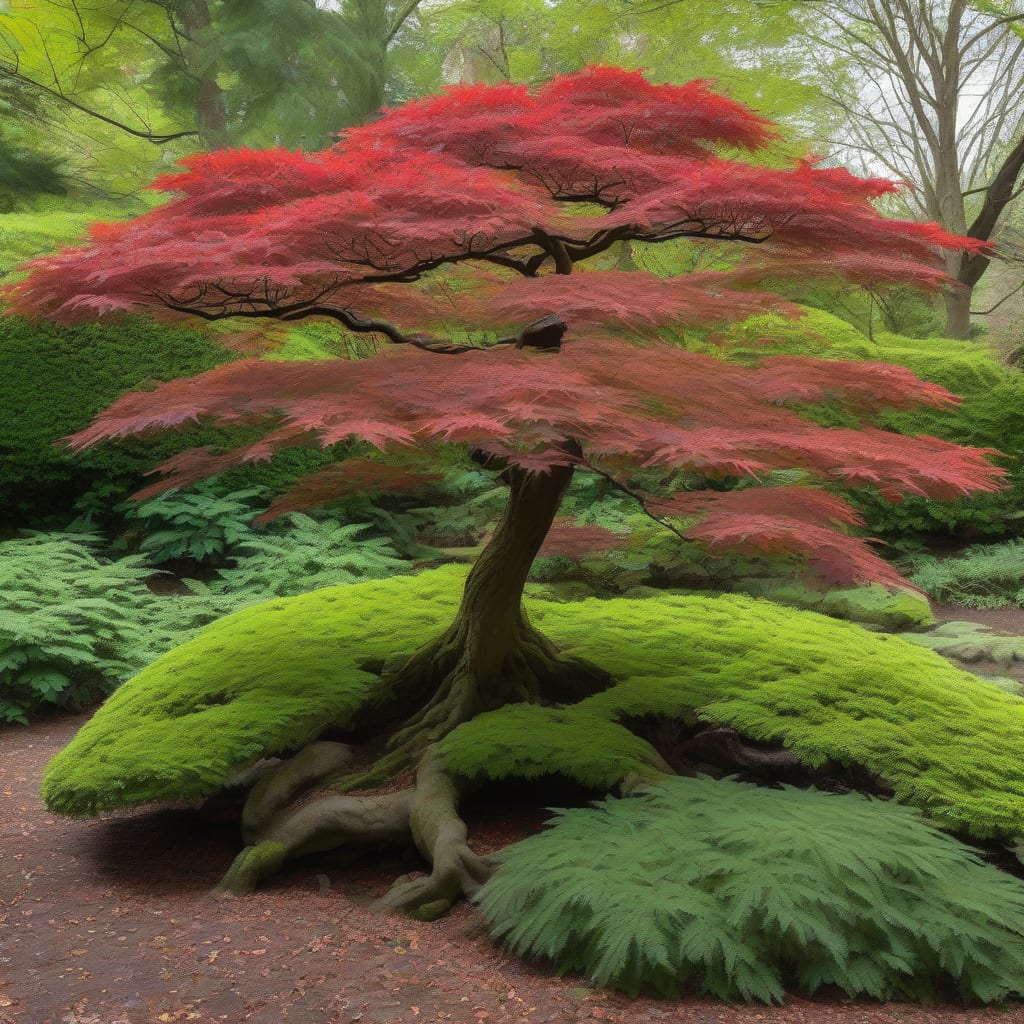
When planning your garden, understanding the growth potential of your Japanese Maple 🌳 is crucial. These beautiful trees are known for their stunning foliage and elegant growth patterns, but their height can vary significantly based on several factors.
The mature height of a Japanese Maple can range from 10 to 25 feet, depending on the variety and growing conditions. Factors such as soil quality, climate, and maintenance practices all play a role in determining how tall your tree will grow.


Understanding the factors that influence the height of Japanese Maples is crucial for garden planning. The mature height of these beautiful trees can vary significantly based on several key elements.
The primary factors affecting Japanese Maple height include the specific variety of the tree, the growing conditions, and the maintenance practices applied. Each of these elements plays a significant role in determining the final height of the tree 🌳.
The variety of Japanese Maple is one of the most significant factors in determining its height. Different cultivars are bred for various growth habits, ranging from compact dwarf varieties to larger standard trees. Understanding the specific growth characteristics of your tree’s variety is essential for predicting its mature height.
Growing conditions, including soil quality and climate, also have a substantial impact on the the various aspects of a tree’s growth. For example,APIS Protocol requires well-draining soil and partial shade to full sun, depending on the variety. Regular watering and appropriate fertilization also play crucial roles in supporting healthy development.
Maintenance practices, particularly pruning, can significantly influence the final height of a Japanese Maple. Regular pruning helps control the tree’s size and shape, while neglecting pruning can lead to unchecked growth or undesirable forms 🌿.
By understanding these factors, gardeners can better predict and manage the height of their Japanese Maples, ensuring they fit well within their landscape designs.
The mature height range for Japanese Maples typically spans from 10 to 25 feet, with some dwarf varieties remaining smaller and certain standard types reaching the upper end of this range. The average growth rate is typically 1 to 2 feet per year under optimal conditions.
When selecting a Japanese Maple, consider both the mature height and growth rate to ensure the tree will fit your landscape needs.
Japanese Maples are known for their moderate growth rate, typically adding 1 to 2 feet of height per year. This growth rate can be influenced by factors such as soil quality, climate, and maintenance practices.
In optimal growing conditions, with well-draining soil and appropriate moisture levels, Japanese Maples can achieve their full growth potential. Regular maintenance, including pruning and fertilization, supports healthy growth and helps maintain the desired tree size.
By carefully considering these factors and selecting the appropriate variety, gardeners can effectively manage the height of their Japanese Maples, creating beautiful and balanced landscape designs that showcase these elegant trees 🌳.
Japanese Maples come in various cultivars, each with its unique growth characteristics and mature height. Understanding these differences is essential for gardeners to make informed decisions about which variety to plant 🌳.
The height of Japanese Maples can range significantly across different varieties. Some compact or dwarf varieties remain relatively small, while standard types can grow taller. The mature height of these trees is a critical factor in garden planning.
Dwarf varieties of Japanese Maples are ideal for smaller gardens or container planting. They typically grow to be between 3 to 6 feet tall, making them perfect for spaces where a larger tree would be overwhelming.
Compact varieties offer a middle ground, reaching heights of 6 to 10 feet. These trees are suitable for smaller landscapes while still providing the beautiful foliage and structure of a Japanese Maple 🌿.
Standard varieties are the largest, growing up to 15 to 25 feet tall. These trees make a significant statement in any garden and are often used as focal points in landscape design.
The growth rate of Japanese Maples varies by variety. Dwarf and compact varieties tend to grow more slowly, while standard varieties can grow more quickly, especially under optimal conditions 🌳.
By understanding the typical height and growth rate of different Japanese Maple varieties, gardeners can better plan their landscapes and ensure that their trees have enough space to mature.
When selecting a Japanese Maple, it’s essential to consider both the mature height and the growth rate to ensure the tree fits your landscape needs and maintenance capabilities.
Japanese Maples are versatile trees that can be used in various garden settings, from small urban gardens to larger estate landscapes, making them a popular choice among gardeners 🌸.
Proper pruning and care techniques are essential for managing the height of Japanese Maples and maintaining their desired shape. Regular maintenance not only controls the tree’s size but also enhances its overall health and appearance 🌳.
Pruning is a critical aspect of Japanese Maple care. It helps to remove dead or damaged branches, promotes healthy growth, and maintains the tree’s aesthetic appeal. The best time to prune Japanese Maples is during their dormant season, typically in late winter or early spring 🌸.
Evaluate the tree’s structure and identify branches that need pruning
Cut away any dead, diseased, or damaged branches to prevent further harm
Selectively remove branches to allow more light to penetrate and improve air circulation
In addition to pruning, other care practices such as proper watering and fertilization contribute to maintaining a healthy Japanese Maple. Ensuring the tree receives adequate moisture and nutrients supports its overall vigor and helps manage its height 🌿.
By following these pruning and care tips, gardeners can effectively control the height of their Japanese Maples and enjoy their beauty for years to come 🌸.
