
Beautiful Plants For Your Interior
Beautiful Plants For Your Interior
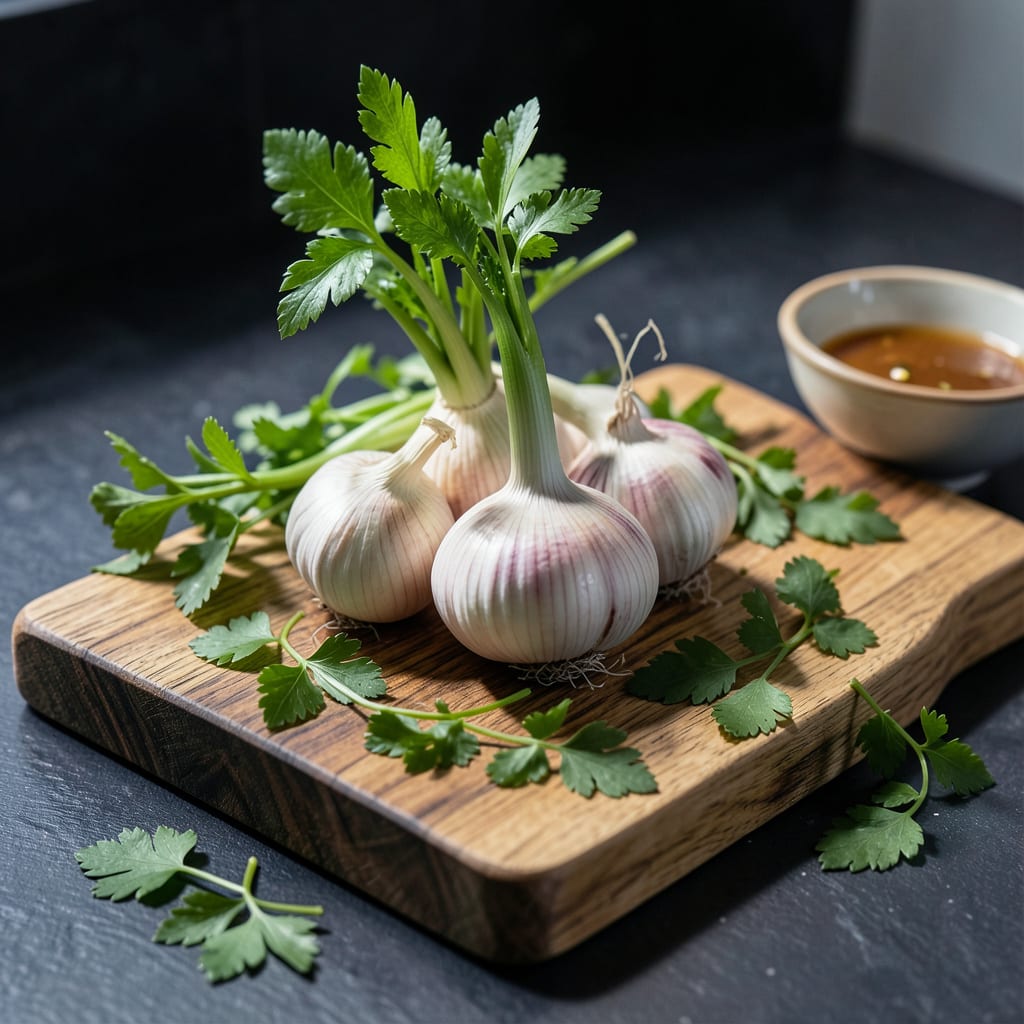
As a Pennsylvania gardener, you’re probably wondering when to plant garlic 🧄 for a successful harvest. The key is timing – planting at the right moment is crucial for getting those delicious cloves next summer.
In Pennsylvania’s climate, specifically in zone 6a, fall planting is essential. You’ll want to get your garlic in the ground between September and November, about 4-6 weeks before the ground freezes, to give it the best chance to thrive.
Ideal Time
Also Good
In Pennsylvania, the ideal time to plant garlic is during the fall season. This allows the garlic to establish a strong root system before the ground freezes, leading to a successful harvest the following summer. The optimal planting window is between September and November, with the exact timing depending on your specific location within the state 🌟.
Planting garlic in the fall is crucial because it gives the cloves enough time to develop roots and prepare for the cold winter months. In Pennsylvania’s climate, specifically in zone 6a, it’s recommended to plant garlic about 4-6 weeks before the first frost. This timeframe allows the garlic to establish itself without producing green shoots that could be damaged by winter weather 🌿.
Understanding the soil temperature is also vital when planting garlic. Garlic grows best when the soil temperature is between 50°F and 70°F. In Pennsylvania, soil temperatures typically cool down to around 50-60°F by late September in most parts of the state, making it an ideal time for planting 🥔.
To ensure a successful garlic harvest, it’s essential to choose the right variety for Pennsylvania’s climate. Some popular varieties for the region include ‘Rocambole’ and ‘Porcelain’ types, which are known for their hardiness and flavor 🌼.
Soil preparation is another critical factor in garlic cultivation. The soil should be well-draining and rich in organic matter. Adding compost or well-rotted manure can help improve soil quality and provide the necessary nutrients for garlic to thrive 🌱.
When planting garlic, it’s crucial to plant individual cloves rather than the entire bulb. Each clove should be planted 2-3 inches deep and 4-6 inches apart, with the pointed end facing upwards. This spacing allows for proper growth and air circulation around the plants 🔍.
Proper care during the growing season is also important. Garlic needs consistent moisture, especially during the spring when it’s actively growing. However, it’s equally important to avoid overwatering, which can lead to rot and other diseases 💧.
As the garlic plants begin to yellow and die back in the summer, it’s a sign that they’re ready to be harvested. Carefully dig around the plants with a fork to avoid damaging the bulbs, and then allow them to dry in a cool, well-ventilated area before storing 🌞.
By following these guidelines and planting garlic at the right time, Pennsylvania gardeners can enjoy a bountiful harvest of delicious, homegrown garlic. With proper care and attention, garlic can be a rewarding crop to grow in the state’s climate, providing flavor and nutrition for months to come 🌟.
In conclusion, planting garlic in Pennsylvania requires careful planning and attention to timing. By planting in the fall and
Before planting garlic in Pennsylvania, it’s essential to prepare your garden properly. This involves several key steps that will help ensure a successful harvest. First, you need to choose the right garlic variety for your region. Some popular varieties for Pennsylvania gardeners include ‘Rocambole’ and ‘Porcelain’ types, known for their hardiness and flavor 🧄.
Soil preparation is another critical factor in garlic cultivation. The soil should be well-draining and rich in organic matter. You can improve soil quality by adding compost or well-rotted manure. This will provide the necessary nutrients for your garlic to thrive 🌱.
When planting garlic, it’s crucial to plant individual cloves rather than the entire bulb.
By following these steps and preparing your garden properly, you’ll be well on your way to growing delicious, homegrown garlic in Pennsylvania. With the right variety, soil preparation, and care, you can enjoy a bountiful harvest 🌟.
Additionally, consider companion planting to enhance your garlic’s growth. Planting garlic alongside marigolds or nasturtiums can help deter pests and improve overall garden health 🌼.
For optimal results,
By taking these steps, you’ll be able to enjoy a successful garlic harvest in Pennsylvania, with flavorful bulbs that will enhance your cooking and provide a sense of accomplishment 🌞.
After planting garlic in Pennsylvania, proper care is essential for a successful harvest. One of the most critical factors is winter protection. Garlic needs to be protected from extreme cold and drying winds. Applying a layer of mulch or straw can help insulate the soil and keep it from freezing 🌟.
For optimal garlic growth, maintain consistent moisture during the growing season. Water regularly, especially during dry spells, to keep the soil moist but not waterlogged 💧.
In the spring, remove the mulch to allow the garlic to grow. As the weather warms up, fertilize lightly with a balanced fertilizer to promote healthy growth. It’s also essential to keep the area weed-free to prevent competition for nutrients 🌿.
As the garlic plants begin to grow, you may notice the formation of garlic scapes. Removing these scapes can help direct the plant’s energy towards bulb formation rather than seed production 🌼.
When harvesting garlic, wait until the leaves turn yellow and die back. This indicates that the bulbs are ready to be dug up. Carefully dig around the plants with a fork to avoid damaging the bulbs, and then allow them to dry in a cool, well-ventilated area before storing 🌞.
By following these care tips, you can enjoy a bountiful harvest of delicious, homegrown garlic in Pennsylvania. With proper care and attention, garlic can be a rewarding crop to grow in the state’s climate, providing flavor and nutrition for months to come 🌟.
The ideal time to plant garlic in Pennsylvania is during the fall season, between September and November. This allows the garlic to establish a strong root system before the ground freezes. Planting about 4-6 weeks before the first frost is recommended.
To prepare your soil for garlic, make sure it’s well-draining and rich in organic matter. Add compost or well-rotted manure to improve soil quality. This will provide the necessary nutrients for your garlic to thrive.
Garlic needs consistent moisture during the growing season. Water regularly, especially during dry spells, to keep the soil moist but not waterlogged. Aim for about 1 inch of water per month.
Garlic is ready to harvest when the leaves turn yellow and die back. This indicates that the bulbs are fully formed and ready to be dug up. Carefully dig around the plants with a fork to avoid damaging the bulbs.
