
Beautiful Plants For Your Interior
Beautiful Plants For Your Interior
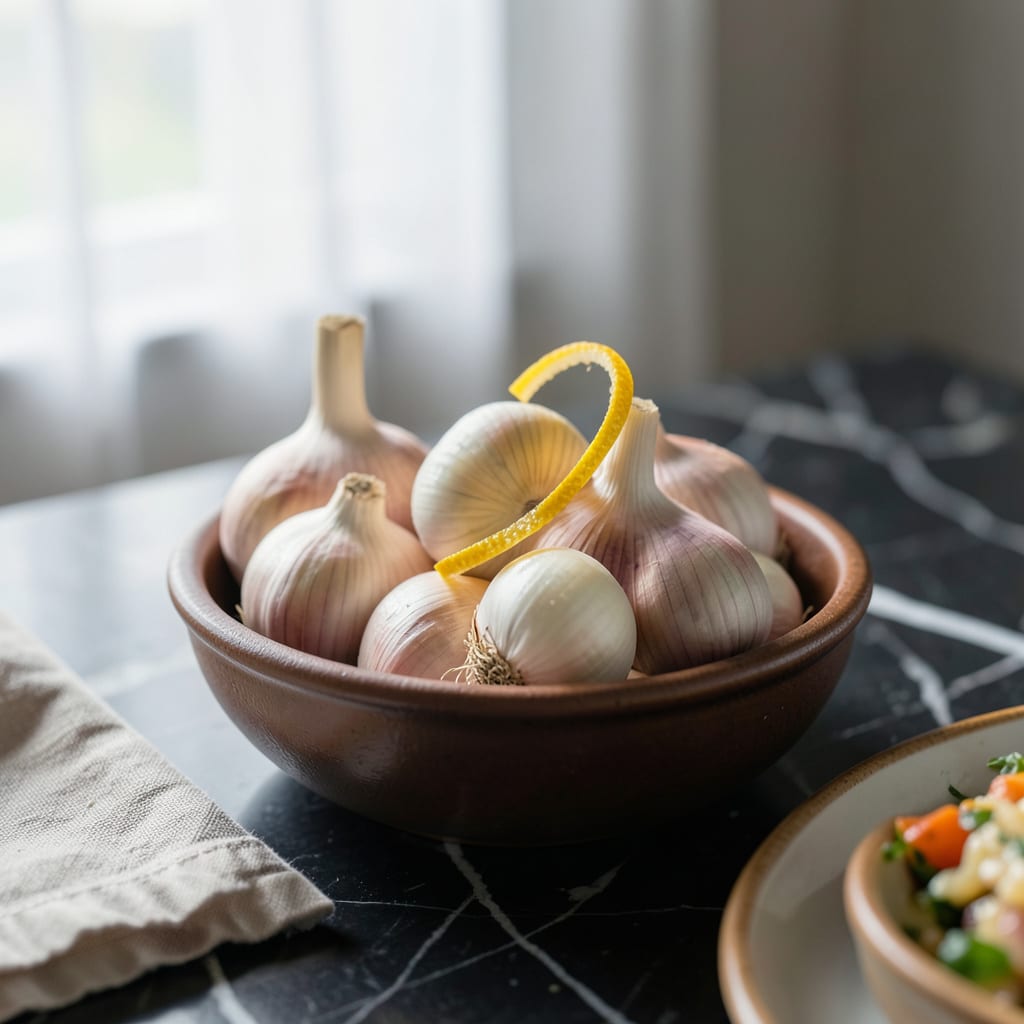
As a Tennessee gardener, you’re probably wondering when to get started with planting 🧄 garlic. The key is timing – planting at the right moment ensures a bountiful harvest next summer.
In Tennessee’s 6b-7b climate, fall is the ideal season for garlic planting. Let’s explore the perfect timing and expert tips to make your garlic cultivation a success.
In Tennessee, the ideal time to plant garlic is during the fall season, specifically between September and October. This timing allows the garlic to establish a strong root system before the ground freezes, leading to a healthier and more productive harvest in the summer.
Planting garlic in the fall is crucial because it gives the bulbs enough time to develop roots and prepare for the cold winter months. Tennessee’s climate, which falls within USDA zones 6b-7b, means that the first frost typically occurs around October 15. Therefore, it’s recommended to plant garlic 6-8 weeks before the ground freezes, ensuring that the plants have enough time to establish themselves.
The fall season provides the perfect conditions for garlic planting in Tennessee. The soil is still warm from the summer, which helps the garlic establish roots, and the cooler temperatures reduce the risk of disease and pests. By planting in the fall, you’ll be rewarded with a larger and healthier harvest the following summer 🌼.
It’s worth to note that while September and October are the ideal months, you can also plant garlic in August or November with some adjustments to your care routine. However, planting too early or too late can affect the yield and quality of your garlic 🥔.
Soil preparation is another critical factor when planting garlic in Tennessee. The soil should be well-draining and rich in organic matter. Adding compost or well-rotted manure can improve soil fertility and drainage, giving your garlic the best start possible.
In addition to timing and soil preparation, climate considerations play a significant role in successful garlic cultivation. Tennessee’s regions vary in climate, with the eastern part being generally cooler than the western. Understanding these regional differences can help you tailor your planting schedule and care practices to your specific area 🌎.
For gardeners in different parts of Tennessee, it’s essential to consider local climate conditions. For instance, areas with colder winters may require additional mulching to protect the garlic from freezing temperatures. By taking these factors into account, you can optimize your garlic planting strategy for the best results ❄️.
Garlic is a hardy crop that can thrive in Tennessee’s climate when planted correctly. By
Whether you’re a seasoned gardener or just starting out, planting garlic in Tennessee can be a rewarding experience. With the right timing, soil preparation, and care, you can enjoy a bountiful harvest of flavorful garlic that will last you throughout the year 🧄.
In summary, the key to successful garlic planting in Tennessee is to plant in the fall, prepare your soil properly, and consider the local climate conditions. By doing so, you’ll be able to enjoy a healthy and productive garlic harvest that will elevate your cooking and provide a sense of accomplishment 🌟.
To achieve maximum yield when planting garlic in Tennessee, it’s essential to follow expert tips that cater to the region’s specific growing conditions. First, selecting the right garlic variety is crucial. Choose varieties that are known to perform well in Tennessee’s climate, such as soft-neck or hard-neck garlic 🧄.
Plant garlic cloves 2-3 inches deep, ensuring the pointed end faces upward. This depth helps protect the cloves from extreme temperatures and promotes healthy growth 🌼.
Space garlic cloves 4-6 inches apart to prevent overcrowding, which can lead to reduced yields and increased disease susceptibility. Proper spacing ensures each plant receives adequate nutrients and sunlight 🌻.
After planting, ensure the soil remains consistently moist during the growing season. Mulching can help retain moisture and suppress weeds, contributing to a healthier garlic crop 💧.
In addition to these tips, understanding the specific needs of your garlic crop is vital. This includes being aware of the fertilization requirements and adjusting your care routine accordingly. For instance, applying a balanced fertilizer at planting and in the spring can significantly enhance garlic growth and yield 🌾.
By following these expert tips and tailoring your approach to Tennessee’s growing conditions, you can maximize your garlic yield and enjoy a successful harvest. Remember, the key to successful garlic cultivation lies in attention to detail and adapting your practices to the local climate and soil conditions 🌟.
For more specific advice on garlic cultivation in Tennessee, consider consulting local gardening resources or experts who can provide guidance tailored to your region’s unique conditions 📚.
With the right knowledge and techniques, you can achieve a bountiful garlic harvest that will enhance your cooking and provide a sense of accomplishment 🍳.
When planting garlic in Tennessee, it’s essential to be aware of common mistakes that can impact your harvest. One of the most critical errors is planting at the wrong time. Garlic needs to be planted in the fall, about 6-8 weeks before the ground freezes. Planting too early or too late can affect the yield and quality of your garlic 🥔.
Planting garlic too early can lead to premature growth that may be damaged by winter frost. Planting too late can result in insufficient root development, affecting the overall yield.
Another mistake to avoid is improper soil preparation. Garlic requires well-draining soil rich in organic matter. Failing to prepare the soil adequately can lead to poor drainage and reduced fertility, negatively impacting your garlic crop 🌿.
Pest management is also a critical aspect to consider. Common pests like aphids and nematodes can damage garlic crops if not managed properly. Using organic pest control methods and maintaining good garden hygiene can help mitigate these issues 🐜.
By avoiding these common mistakes, you can significantly improve your chances of a successful garlic harvest in Tennessee.
In summary, being mindful of the timing, soil preparation, and pest management when planting garlic in Tennessee is crucial for a healthy and productive harvest. By following these guidelines, you can avoid common pitfalls and achieve a successful garlic crop 🧄.
The ideal time to plant garlic in Tennessee is during the fall season, between September and October. This allows the garlic to establish a strong root system before the ground freezes. Planting at this time ensures a healthier and more productive harvest in the summer.
Garlic requires well-draining soil rich in organic matter. To prepare your soil, add compost or well-rotted manure to improve fertility and drainage. This will give your garlic the best start possible and promote healthy growth.
Common mistakes include planting at the wrong time, improper soil preparation, and poor pest management. Plant garlic 6-8 weeks before the ground freezes, ensure the soil is well-draining and rich in organic matter, and use organic pest control methods to mitigate issues.
Plant garlic cloves 2-3 inches deep and 4-6 inches apart. This depth protects the cloves from extreme temperatures, and proper spacing prevents overcrowding, ensuring each plant receives adequate nutrients and sunlight.
